2026 National Park Transit Mandates: Shuttle Regulations Guide
The 2026 National Park Transit Mandates introduce significant changes to shuttle regulations, requiring visitors to understand new booking procedures, operational schedules, and accessibility guidelines to ensure a seamless and compliant park experience.
Planning a trip to one of America’s breathtaking national parks in 2026? It’s crucial to be aware of the new National Park Transit Mandates and key shuttle regulations that will impact your visit. These updates are designed to enhance visitor experience, reduce environmental impact, and manage crowds more effectively.
Understanding the New Transit Mandates for 2026
The year 2026 marks a significant shift in how visitors access and navigate many of our cherished national parks. These mandates are not merely administrative changes; they represent a concerted effort to preserve these natural wonders for future generations while ensuring a high-quality experience for current visitors. Understanding these foundational shifts is the first step toward a smooth and enjoyable park adventure.
The overarching goal of the 2026 mandates is to streamline visitor flow, minimize traffic congestion, and protect delicate ecosystems from the pressures of over-tourism. This often translates into a greater reliance on park-managed transit systems, particularly shuttle buses, and a reduction in private vehicle access in certain high-traffic areas. These changes reflect an evolving philosophy in park management, prioritizing sustainability and visitor experience over unrestricted access.
Key Drivers Behind the 2026 Changes
Several factors have contributed to the implementation of these new transit mandates. Rapidly increasing visitor numbers in recent years have put immense strain on park infrastructure and natural resources. The need for more sustainable access solutions has become undeniable.
- Environmental Protection: Reducing carbon emissions and noise pollution from private vehicles.
- Visitor Experience: Alleviating traffic congestion, parking stress, and enhancing scenic enjoyment.
- Infrastructure Preservation: Minimizing wear and tear on park roads and facilities.
- Equity and Access: Ensuring all visitors, including those without private vehicles, can experience the parks.
These drivers underscore the thoughtful consideration behind the new regulations, aiming to strike a balance between access and preservation. Visitors are encouraged to embrace these changes as opportunities to engage with the parks in a more mindful and environmentally conscious way. The implementation of these mandates will vary slightly from park to park, but the core principles remain consistent across the National Park System. It is always wise to check specific park regulations before your visit.
Ultimately, the new transit mandates for 2026 are a forward-thinking approach to managing our national treasures. They require a bit more planning from visitors but promise a more serene, less congested, and ultimately more rewarding experience within these iconic landscapes. Being prepared and informed about these changes will make all the difference in enjoying your national park adventure.
Mandatory Shuttle Reservation Systems: What You Need to Know
One of the most impactful changes coming in 2026 for many national parks is the widespread adoption of mandatory shuttle reservation systems. This shift moves away from first-come, first-served access in many popular areas, requiring visitors to secure a spot on park shuttles well in advance. This system is designed to control visitor numbers, prevent overcrowding at trailheads and viewpoints, and ensure a more predictable experience for everyone.
The implementation of these reservation systems aims to eliminate the frustration of long waits and the uncertainty of gaining access to certain park areas. While it adds a layer of planning, it ultimately contributes to a smoother and more enjoyable visit, allowing you to focus on the natural beauty rather than logistical hurdles. Each park will likely have its own specific reservation window and process, so it's critical to research your chosen destination thoroughly.
How to Secure Your Shuttle Reservations
Securing your shuttle reservation will typically involve an online portal, often through Recreation.gov or the individual park's official website. These systems will operate on a timed-entry basis, meaning you’ll select a specific date and time slot for your shuttle ride. Demand is expected to be high for peak seasons and popular parks, so early booking will be essential.
- Check Release Dates: Reservations are usually released in blocks, often months in advance. Mark your calendar!
- Create an Account: You'll likely need an account on Recreation.gov or the park's booking platform.
- Be Flexible: If your first choice isn't available, consider alternative dates or times.
- Understand Fees: A small reservation fee may apply, separate from any park entrance fees.
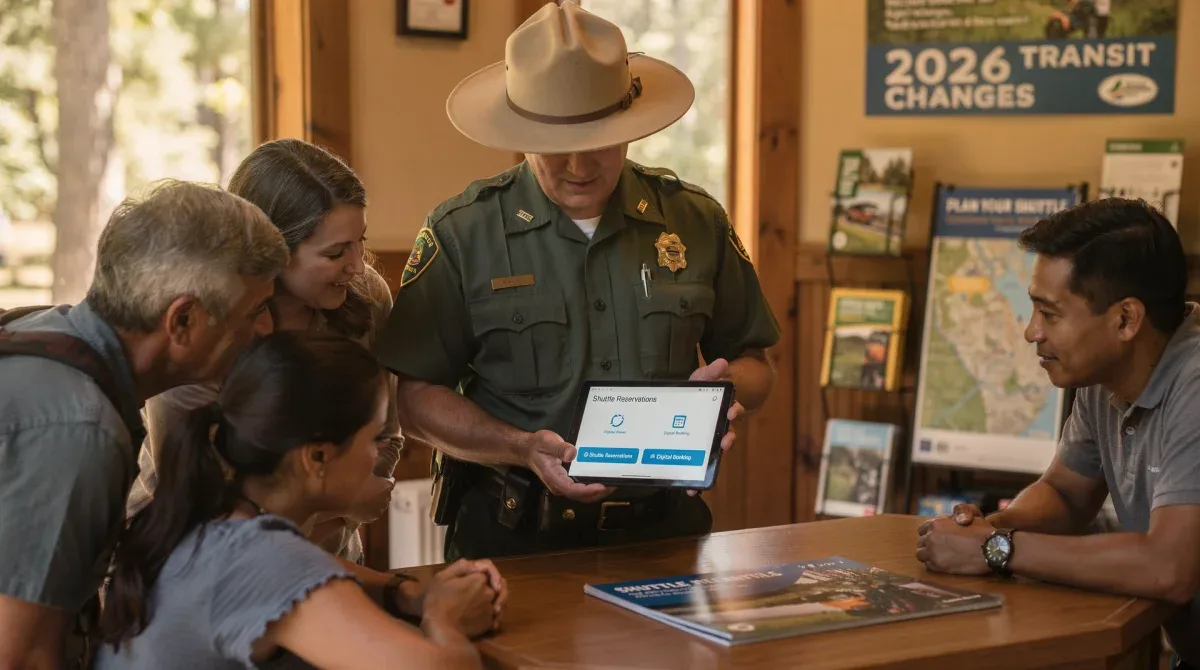

It's also important to note that some parks may offer a limited number of last-minute reservations, often released a day or two before the desired entry date. While this provides a small window for spontaneous trips, relying on these can be risky, especially during busy periods. Always prioritize booking in advance if your plans are firm.

In summary, the transition to mandatory shuttle reservation systems in 2026 is a significant change designed to improve visitor flow and protect park resources. By understanding the booking process and planning ahead, you can ensure your access to the most sought-after areas of our national parks, making your trip stress-free and memorable. Always consult the official park website for the most current and specific reservation details before your visit.
Operational Changes and Shuttle Schedules for 2026
Beyond reservations, visitors to national parks in 2026 will also encounter revised operational schedules and route adjustments for shuttle services. These changes are designed to optimize efficiency, respond to environmental concerns, and enhance the overall visitor experience by reducing congestion at key points. Understanding these operational nuances is vital for planning your daily park activities and maximizing your time exploring.
The goal is to create a more predictable and less stressful transit experience. Parks are moving towards schedules that align more closely with peak visitation times and popular trail access points, ensuring that shuttles are available when and where they are most needed. This can also mean adjusted operating hours, with some services starting earlier or running later to accommodate different types of park users, such as early morning hikers or sunset viewers.
Adapting to New Shuttle Routes and Frequencies
The 2026 mandates might introduce new shuttle routes, especially in parks where certain areas were previously accessible only by private vehicle. Conversely, some less-traveled routes might see reduced frequency or seasonal operation. It’s imperative to consult the most up-to-date park maps and shuttle schedules available on official park websites or at visitor centers upon arrival.
- Route Adjustments: Some routes may be modified or new ones introduced to reach previously restricted areas.
- Increased Frequency: Popular routes during peak hours might see more frequent shuttles to reduce wait times.
- Seasonal Variations: Schedules will likely vary significantly between peak season, shoulder seasons, and winter.
- Digital Information: Many parks will provide real-time shuttle tracking via apps or QR codes at stops.
It’s also worth noting that factors such as weather conditions, road closures, or unforeseen park emergencies can impact shuttle schedules. Always build in some flexibility into your itinerary. Park staff at visitor centers are excellent resources for the most current information, and checking park alerts before heading out for the day is highly recommended.
In conclusion, the operational changes and revised shuttle schedules for 2026 are integral to the new transit mandates. By familiarizing yourself with these updates, including new routes, frequencies, and seasonal adjustments, you can effectively plan your park visits, minimize logistical surprises, and fully immerse yourself in the natural beauty our national parks offer. Always prioritize official park information for the most accurate details.
Accessibility Guidelines and Inclusive Transit
The 2026 National Park Transit Mandates place a strong emphasis on enhancing accessibility and ensuring inclusive transit options for all visitors. This means that shuttle services are being upgraded and standardized to better accommodate individuals with disabilities, ensuring that everyone has the opportunity to experience the beauty and wonder of our national parks. These guidelines reflect a commitment to universal access, making park exploration a possibility for a wider audience.
The focus on inclusive transit extends beyond just physical accessibility. It also involves clear communication, well-trained staff, and the provision of information in various formats. The goal is to remove barriers, both physical and informational, so that every visitor feels welcomed and supported in their park journey. This commitment aligns with broader federal accessibility standards and aims to set a new benchmark for park services.
Ensuring Equal Access on Park Shuttles
New regulations mandate that all park shuttle fleets meet or exceed ADA (Americans with Disabilities Act) compliance standards. This includes vehicles equipped with ramps or lifts, designated seating areas for wheelchairs, and sufficient space for mobility aids. Furthermore, drivers and park staff are receiving specialized training to assist passengers with diverse needs, ensuring a safe and respectful experience.
- ADA Compliant Vehicles: Shuttles will be equipped with ramps/lifts for wheelchair access.
- Priority Seating: Dedicated spaces for wheelchairs and individuals with mobility challenges.
- Trained Staff: Drivers and park personnel will be trained to assist visitors with disabilities.
- Service Animal Accommodations: Clear policies for service animals on board shuttles.
Beyond the physical aspects, parks are also improving their digital and printed materials to be more accessible. This includes website compatibility with screen readers, large-print maps, and information available in alternative formats upon request. Visitors with specific accessibility needs are strongly encouraged to contact the individual park's accessibility coordinator or visitor services desk in advance of your visit to confirm available services and make any necessary arrangements.
In essence, the 2026 mandates are a progressive step towards making national parks truly accessible to everyone. By prioritizing inclusive transit, the National Park Service is reinforcing its commitment to providing enriching outdoor experiences for all visitors, regardless of their physical abilities. These efforts ensure that the wonder of our natural landscapes can be shared by a more diverse and inclusive community.
Private Vehicle Restrictions and Alternative Transport
The 2026 National Park Transit Mandates introduce more stringent private vehicle restrictions in several popular national parks and high-demand areas. This is a direct response to escalating traffic congestion, limited parking, and the environmental impact of numerous private cars within sensitive ecosystems. Visitors accustomed to driving their own vehicles to every viewpoint or trailhead will need to adapt to these new limitations and explore alternative transportation methods.
The rationale behind these restrictions is multifaceted: to reduce carbon emissions, protect fragile natural habitats, and enhance the visitor experience by fostering a quieter, more pedestrian-friendly environment. While it may require a shift in planning, these changes ultimately aim to preserve the very qualities that draw millions to our national parks each year. Understanding where and when these restrictions apply is key to avoiding unexpected disruptions during your trip.
Embracing Car-Free Exploration
Many parks will designate specific zones or times where private vehicle access is either prohibited or heavily limited, channeling visitors towards mandatory shuttle systems. This encourages a more sustainable and often more immersive way to experience the park, allowing visitors to enjoy the scenery without the distractions of driving and parking.
- Designated Drop-off Zones: Areas where private vehicles can drop off passengers before returning to external parking.
- Permit Systems: Some areas may require a special permit for private vehicle access, often with limited availability.
- Park-and-Ride Lots: External parking areas where visitors must transfer to park shuttles.
- Biking and Walking: Encouragement of active transportation where appropriate and safe.
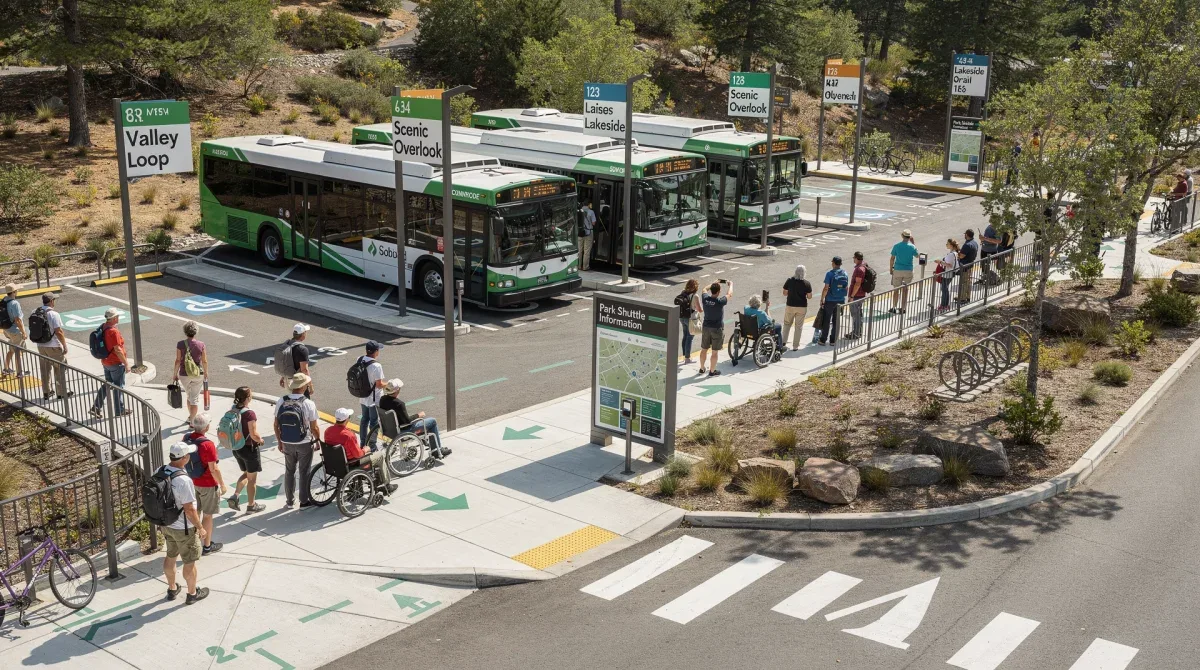

For visitors who prefer not to use the park's shuttle system, some national parks offer alternative transportation solutions, such as guided tours, authorized concessionaire services, or opportunities for biking and hiking into restricted areas (where permissible and safe). It is essential to research these options in advance, as they may also require reservations or specific equipment. Always check the individual park's website for detailed information on private vehicle restrictions and available alternatives.
In summary, the increased private vehicle restrictions in 2026 are a necessary evolution in national park management. By understanding these limitations and embracing the robust alternative transport options, visitors can contribute to the preservation of these precious landscapes while still enjoying a rich and fulfilling park experience. Planning ahead for car-free exploration will be a cornerstone of future national park visits.
Planning Your 2026 National Park Visit: Essential Tips
Navigating the new 2026 National Park Transit Mandates requires a proactive approach to planning. A well-prepared visitor will not only avoid potential frustrations but will also enhance their overall experience, allowing them to fully immerse themselves in the natural beauty and recreational opportunities that national parks offer. Early research and strategic booking are more important than ever.
Gone are the days when a spontaneous decision to visit a national park was always feasible for popular destinations. The new regulations necessitate a shift towards more deliberate trip planning, ensuring you secure the necessary access and understand the operational realities on the ground. This section provides actionable tips to help you prepare effectively for your upcoming national park adventure.
Key Strategies for a Smooth Park Experience
To ensure a seamless visit, start your planning process well in advance. Check the official website of the national park you intend to visit for the most current information regarding transit mandates, reservation requirements, and operational schedules. Each park may have unique rules, so generic advice might not fully apply.
- Research Early: Begin researching your chosen park's 2026 transit mandates months before your trip.
- Book Reservations Promptly: Secure shuttle, lodging, and any other timed-entry reservations as soon as they become available.
- Download Park Apps: Many parks offer official apps with maps, shuttle tracking, and real-time alerts.
- Pack Essentials: Carry water, snacks, appropriate clothing, and comfortable walking shoes, as shuttle stops might be far from facilities.
- Arrive Prepared: Have your digital or printed reservations ready for inspection at entry points.
Consider visiting during off-peak seasons or weekdays if your schedule allows, as this can sometimes offer more flexibility with transit options and fewer crowds. Always have a backup plan in mind, especially for popular trails or viewpoints, in case shuttle availability or weather conditions alter your initial itinerary. Flexibility and patience will be your best allies.
In conclusion, thorough planning is paramount for a successful national park visit in 2026. By dedicating time to understand and adhere to the new transit mandates, securing necessary reservations, and preparing for the operational changes, you can ensure a stress-free and profoundly rewarding experience amidst America's most iconic natural landscapes. Embrace the planning process as part of the adventure itself.
Future Outlook and Long-Term Impacts of Mandates
The 2026 National Park Transit Mandates are not merely temporary adjustments; they represent a significant step towards a more sustainable and managed future for our national parks. Understanding their long-term impacts provides insight into how future generations might experience these cherished landscapes and how conservation efforts are evolving. These mandates are foundational to a broader vision for preserving natural and cultural resources.
The National Park Service (NPS) views these changes as essential for balancing increasing visitation with the imperative to protect delicate ecosystems. The goal is to establish a framework that allows for continued public access while mitigating the environmental degradation and overcrowding that have become pressing concerns. This forward-thinking approach aims to ensure the longevity and integrity of these national treasures.
Anticipated Benefits and Challenges
The long-term benefits of these mandates are expected to be substantial, encompassing both environmental and experiential improvements. Reduced vehicle emissions, decreased noise pollution, and less physical impact on trails and sensitive habitats are primary environmental gains. From a visitor perspective, the aim is for a more tranquil, less congested experience, allowing for deeper appreciation of nature.
- Enhanced Conservation: Greater protection for ecosystems and wildlife through reduced human impact.
- Improved Visitor Flow: More predictable and less stressful access to popular park areas.
- Sustainable Tourism Models: Setting a precedent for eco-friendly park management globally.
- Operational Efficiency: Streamlined park operations and resource allocation.
However, implementing such widespread changes is not without its challenges. Public adaptation to new rules, potential resistance to restricted private vehicle access, and the continuous need for infrastructure investment in shuttle fleets and systems are ongoing considerations. The NPS will likely continue to monitor, evaluate, and adapt these mandates based on visitor feedback and environmental data.
The long-term success of the 2026 National Park Transit Mandates hinges on public cooperation and a shared commitment to responsible tourism. As visitors, our role in understanding and adhering to these regulations is crucial. These mandates are a testament to the evolving stewardship of our national parks, ensuring they remain vibrant, accessible, and protected for generations to come. They invite us to be part of a solution that prioritizes both access and preservation.
| Key Point | Brief Description |
|---|---|
| Mandatory Shuttle Reservations | Many parks now require advance booking for shuttle access to popular areas, replacing first-come, first-served entry. |
| Revised Shuttle Schedules | Operational hours, route frequencies, and seasonal adjustments are in effect to optimize visitor flow and reduce congestion. |
| Enhanced Accessibility | Shuttle fleets are upgraded to meet ADA compliance, ensuring inclusive transit for visitors with disabilities. |
| Private Vehicle Restrictions | Increased limitations on private car access in certain high-demand park areas, promoting shuttle use and alternative transport. |
Frequently Asked Questions About 2026 National Park Transit
Why are national parks implementing new transit mandates in 2026?▼The new mandates are being implemented to manage increasing visitor numbers, reduce environmental impact from private vehicles, alleviate traffic congestion, and enhance the overall visitor experience by promoting sustainable access to sensitive areas within the parks.
How do I book shuttle reservations for national parks in 2026?▼Shuttle reservations for most national parks will be available through online portals like Recreation.gov or the specific park's official website. It's crucial to check release dates and book well in advance, especially for peak seasons and popular destinations.
Will private vehicles still be allowed in all national park areas?▼No, many national parks will have increased restrictions on private vehicle access in high-demand zones or at specific times. Visitors will be encouraged or required to use park shuttles or other alternative transportation methods to reach these areas.
What accessibility improvements are part of the 2026 transit mandates?▼The mandates emphasize enhanced accessibility, requiring shuttle fleets to be ADA compliant with features like ramps or lifts for wheelchairs. Park staff will also receive specialized training to assist visitors with diverse mobility needs, ensuring inclusive access.
What should I do to prepare for my 2026 national park visit?▼You should research your chosen park's specific mandates early, book all necessary reservations promptly, download park apps for real-time information, and pack essentials. Always verify details on the official park website before your trip for the most accurate information.
Conclusion
The 2026 National Park Transit Mandates represent a pivotal moment in the management and preservation of America's national treasures. By embracing mandatory shuttle reservations, adapting to revised operational schedules, prioritizing accessibility, and understanding private vehicle restrictions, visitors play a crucial role in the success of these initiatives. While requiring more proactive planning, these changes ultimately promise a more sustainable, enjoyable, and less congested experience for everyone, ensuring that the unparalleled beauty of our national parks remains accessible and protected for generations to come. Your informed participation is key to a rewarding adventure.
