300-Mile Bikepacking Expedition: Gravel Network Success
Successfully completing a self-supported 300-mile bikepacking expedition across national gravel networks demands meticulous planning, robust gear, strategic nutrition, and unwavering mental resilience to overcome challenges.
Embarking on a 300-mile bikepacking expedition across national gravel networks is an undertaking that promises both immense challenge and unparalleled reward. This guide delves into the essential strategies and preparations needed to transform this ambitious goal into a triumphant reality, ensuring you are equipped for every mile of the journey.
Strategic planning: mapping your 300-mile route
The foundation of any successful bikepacking trip, especially one spanning 300 miles, lies in meticulous route planning. This isn't just about knowing where you're going; it's about understanding the terrain, identifying resupply points, and anticipating potential challenges. A well-researched route can significantly mitigate risks and enhance the overall experience, turning potential hardships into manageable adventures.
Before you even touch a pedal, spend considerable time with maps and digital tools. Websites like RideWithGPS, Komoot, and Gaia GPS offer invaluable resources for discovering existing gravel routes and designing your own. Look for routes that align with your fitness level and comfort with various terrains. Consider the elevation profile, surface type (smooth gravel vs. chunky doubletrack), and accessibility of services along the way.
Understanding national gravel networks
National gravel networks often encompass a diverse range of landscapes, from rolling hills to mountainous ascents, and may traverse through remote wilderness areas. Researching the specific characteristics of the network you plan to explore is crucial. Some networks might have designated bikepacking trails with established campsites, while others require more improvisation regarding overnight stays and water sources.
- Permits and regulations: Verify if any permits are required for camping or riding in specific areas. National parks and forests often have unique rules.
- Seasonal considerations: Weather can dramatically impact gravel conditions. Plan your expedition during a season that offers predictable and favorable weather.
- Water sources: Identify reliable water sources, especially in arid regions. Mark them on your map and carry purification methods.
A detailed understanding of the route also involves pinpointing potential bailout points or alternative exits in case of an emergency. Share your itinerary with a trusted contact and establish check-in times. Remember, self-supported means you are primarily responsible for your safety and well-being, making thorough planning non-negotiable.
Ultimately, strategic route planning for a 300-mile bikepacking expedition is an iterative process. It involves research, mapping, and contingency planning, all aimed at creating a robust framework for your adventure. This initial investment of time will pay dividends in safety and enjoyment once you hit the gravel.
Essential gear: equipping for self-sufficiency
For a 300-mile self-supported bikepacking expedition, your gear is more than just equipment; it's your lifeline. Every item must serve a purpose, be durable, and contribute to your self-sufficiency. Overpacking can lead to unnecessary weight and fatigue, while underpacking can leave you vulnerable to the elements or mechanical failures. The goal is to strike a balance, carrying only what is essential for safety, comfort, and performance.
Your bike is the most critical piece of equipment. A gravel-specific bike is ideal, offering a comfortable geometry for long distances, clearance for wider tires, and mounting points for bikepacking bags. Ensure your bike is in excellent mechanical condition, with a recent tune-up and new tires appropriate for gravel. Tubeless tires are highly recommended to minimize punctures.

Bikepacking bag setup and capacity
Efficiently distributing your gear across various bikepacking bags is key to maintaining bike handling and balance. A typical setup includes a frame bag for heavy items, a seat pack for bulkier but lighter items, and a handlebar bag for frequently accessed essentials. Top tube bags and feed bags offer additional quick-access storage.
- Frame bag: Tools, spare parts, water bladder, cooking gear, heavier food items.
- Seat pack: Sleeping bag, sleeping pad, extra clothing, camp shoes.
- Handlebar bag: Tent/bivy, jacket, snacks, camera, navigation devices.
Consider the total volume needed for your trip, factoring in food and water for self-sufficiency between resupply points. Waterproof bags are crucial for protecting your gear from rain and dust. Practice packing your bike before the trip to ensure everything fits securely and doesn't interfere with riding.
Beyond the bike and bags, your sleeping system, cooking setup, and repair kit are paramount. A lightweight tent, bivy, or tarp, paired with a compact sleeping bag and pad, will provide essential rest. A small stove, fuel, and cookware enable hot meals, which can significantly boost morale. Your repair kit should be comprehensive, including a multi-tool, tire levers, patch kit, spare tube, chain tool, and zip ties. Don't forget a first-aid kit, headlamp, and a robust navigation device with backup power.
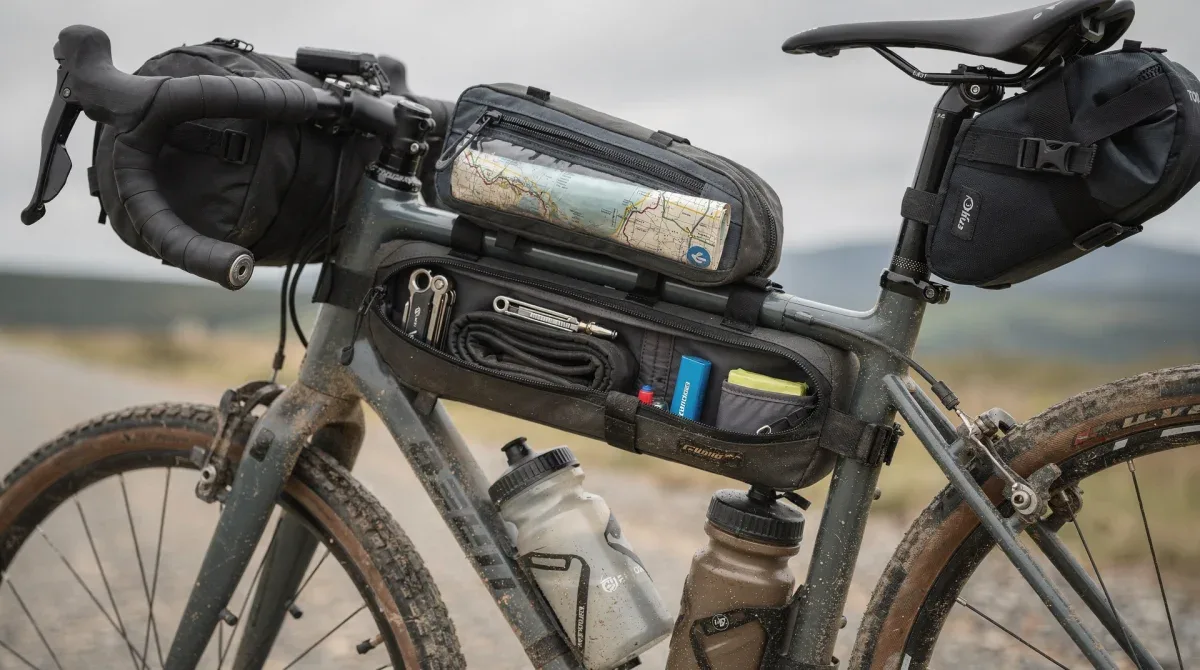
Equipping yourself for a 300-mile self-supported bikepacking expedition is about making informed choices that prioritize functionality, durability, and weight. Each piece of gear plays a role in your overall success and enjoyment, so choose wisely and test everything beforehand.
Nutrition and hydration: fueling your endurance
Sustaining yourself over a 300-mile bikepacking expedition requires a highly strategic approach to nutrition and hydration. Your body will be burning a significant number of calories daily, and failing to adequately replenish them can lead to bonking, fatigue, and a severe drop in performance and morale. Planning your food and water intake is as important as planning your route.
Aim for a balanced intake of carbohydrates, proteins, and fats. Carbohydrates are your primary energy source, essential for sustained effort. Proteins aid in muscle repair and recovery, while healthy fats provide long-burning energy and satiety. Think about calorie-dense foods that are also lightweight and easy to prepare or eat on the go. Dehydrated meals, nuts, dried fruit, energy bars, and tortillas with nut butter are excellent choices.
Hydration strategies in remote areas
Water is arguably more critical than food, especially when cycling through remote national gravel networks where sources can be scarce. Dehydration can quickly lead to serious health issues and impair your ability to continue. Carry ample water capacity, typically 3-6 liters depending on conditions and resupply frequency.
- Water purification: Always carry a reliable water filter or purification tablets. Even if you identify natural sources, treat all water to prevent illness.
- Electrolytes: Supplement your water with electrolyte tablets or powders, especially in hot weather or during intense efforts, to replenish lost salts.
- Scheduled drinking: Don't wait until you're thirsty. Sip water regularly throughout the day to stay ahead of dehydration.
When planning your route, meticulously mark all potential water sources, including natural springs, public spigots, and stores. Be aware that some sources might be seasonal or unreliable. Always have a backup plan. For food, consider the caloric density per ounce and how well it will keep without refrigeration. A mix of savory and sweet items can help prevent palate fatigue.
Proper nutrition and hydration are not just about survival; they are about maintaining your energy levels, mental clarity, and overall well-being throughout the expedition. Prioritize these aspects in your planning and be disciplined in your intake during the ride.
Training and physical preparation: building resilience
Completing a 300-mile bikepacking expedition isn't just a test of equipment and planning; it's a profound physical and mental challenge. Adequate training is crucial to build the endurance, strength, and resilience needed to tackle long days in the saddle, varied terrain, and unpredictable conditions. Your body needs to be prepared for sustained effort and recovery.
Your training regimen should focus on long-distance cycling with loaded bags. Start with shorter rides and gradually increase your mileage and elevation gain. Incorporate back-to-back long rides to simulate the multi-day nature of bikepacking. This helps your body adapt to fatigue and teaches you how to manage discomfort.
Strength and cross-training benefits
While cycling is the core of your training, incorporating strength training and cross-training can significantly improve your overall fitness and prevent injuries. Focus on core strength, leg strength, and upper body stability, which are vital for handling a loaded bike on rough terrain.
- Core exercises: Planks, Russian twists, and bicycle crunches improve stability and power transfer.
- Leg exercises: Squats, lunges, and deadlifts build cycling-specific strength and endurance.
- Cross-training: Hiking, running, or swimming can enhance cardiovascular fitness without repetitive cycling impact.
Don't neglect bike handling skills. Practice riding with your fully loaded bikepacking setup on various gravel surfaces, including loose gravel, washboards, and technical descents. This will build confidence and improve your ability to navigate challenging sections safely. Pay attention to your body during training; listen to warning signs of overtraining or injury, and allow for adequate rest and recovery.
Mental preparation is equally important. Long rides can be monotonous and challenging. Practice mindfulness and develop strategies for staying positive and motivated when fatigue sets in. Visualize success and remind yourself of your 'why.' Building physical and mental resilience through dedicated training will be your greatest asset on the gravel networks.
Troubleshooting and repairs: roadside mechanics
On a self-supported 300-mile bikepacking expedition, mechanical issues are not a matter of if, but when. Being able to perform basic roadside repairs is absolutely essential for maintaining momentum and ensuring your safety. Without access to bike shops, you are your own mechanic, and your ability to troubleshoot problems will directly impact the success of your trip.
Before embarking, familiarize yourself with common bike repairs. This includes fixing a flat tire, patching a tubeless tire, adjusting derailleurs, repairing a broken chain, and tightening loose components. Watch tutorial videos, practice these repairs at home, and ideally, take a basic bike maintenance course. Confidence in your repair skills will reduce anxiety on the trail.
Essential repair kit components
Your repair kit should be lightweight yet comprehensive. It's better to carry a few extra grams in tools than to be stranded miles from civilization. Ensure all tools are functional and you know how to use them effectively.
- Multi-tool: With all necessary Allen keys, Torx bits, and screwdrivers.
- Tire repair: Spare tube (even with tubeless), tire levers, patch kit, tubeless plugs, small pump or CO2 inflator.
- Drivetrain repair: Chain tool, quick links, small bottle of chain lube.
- Miscellaneous: Zip ties, duct tape (wrapped around a pen), spare bolts, small knife.
Beyond mechanical repairs, be prepared for minor medical issues. Your first-aid kit should contain items for cuts, scrapes, blisters, headaches, and any personal medications. Knowing how to use these items is as important as having them. Always carry a fully charged phone for emergencies, but don't rely on it for navigation or communication in remote areas where service may be nonexistent.
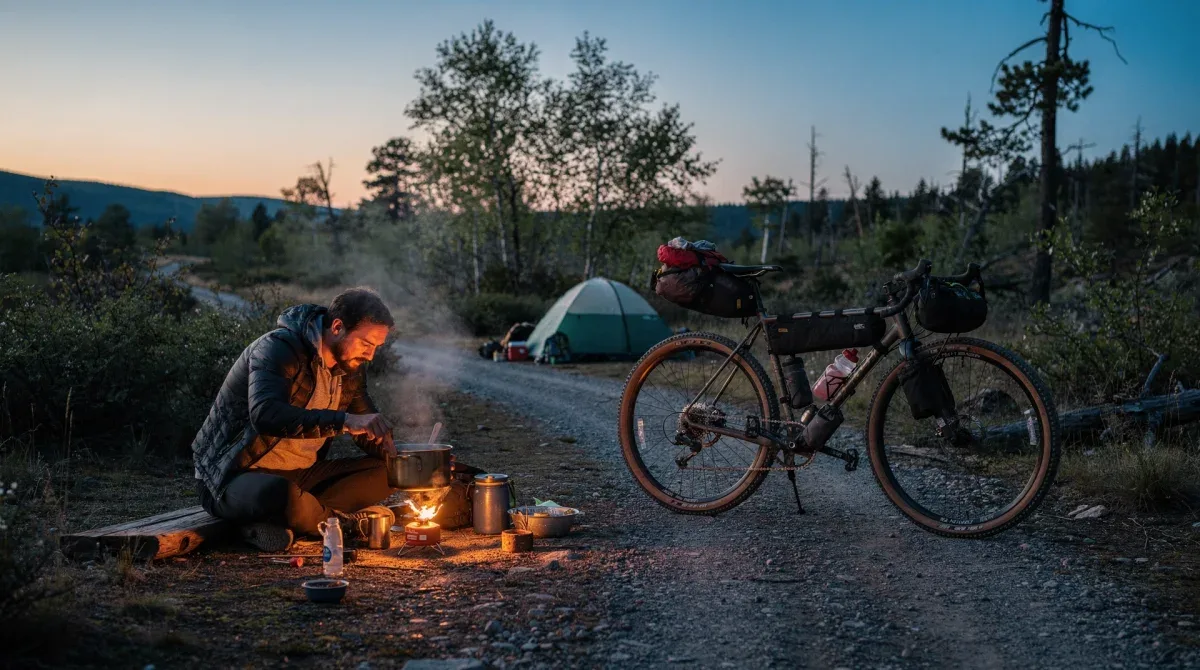
The ability to troubleshoot and repair your bike on the fly is a core competency for any self-supported bikepacker. Invest time in learning these skills, and meticulously assemble your repair kit. This preparedness will empower you to overcome obstacles and continue your journey with confidence.
Mental fortitude and managing challenges
While physical preparation and gear are vital, the mental aspect of a 300-mile bikepacking expedition often proves to be the ultimate determinant of success. Long days, unpredictable weather, mechanical setbacks, and solitude can take a toll. Cultivating strong mental fortitude is essential to push through discomfort and maintain a positive outlook.
Expect challenges and embrace them as part of the adventure. The gravel networks will test your limits, both physically and mentally. There will be moments of doubt, fatigue, and perhaps even frustration. Recognizing these feelings and having strategies to manage them is key. Focus on one pedal stroke at a time, one mile at a time, rather than dwelling on the entire 300-mile distance.
Strategies for maintaining morale
Maintaining high spirits and motivation during a multi-day bikepacking trip requires conscious effort. Simple practices can make a significant difference in overcoming mental hurdles.
- Break down the journey: Set small, achievable goals throughout the day, such as reaching the next water source or a specific landmark.
- Celebrate small victories: Acknowledge your progress, no matter how small. Finishing a tough climb or reaching a planned campsite is worthy of recognition.
- Connect with nature: Take moments to appreciate the scenery, the sounds, and the solitude. Remind yourself why you embarked on this adventure.
- Positive self-talk: Challenge negative thoughts with affirmations and focus on your capabilities and resilience.
Solitude can be a double-edged sword. While it offers a unique opportunity for introspection and connection with nature, it can also amplify feelings of loneliness or anxiety. If riding solo, consider carrying an audiobook or podcast for moments when you need a distraction. If riding with a partner, practice good communication and mutual support.
Understanding your personal limits and knowing when to rest or seek shelter is also a sign of strong mental fortitude, not weakness. Pushing too hard can lead to exhaustion, injury, or poor decision-making. Listen to your body and prioritize safety. Ultimately, mental strength is about resilience, adaptability, and the unwavering belief in your ability to complete the journey.
Post-expedition reflection and recovery
Successfully completing a 300-mile bikepacking expedition across national gravel networks is a significant accomplishment. The journey doesn't truly end when you cross the finish line; the post-expedition phase is crucial for physical recovery, mental integration of the experience, and planning future adventures. This period allows you to consolidate your learnings and prepare for what's next.
Physical recovery should be your immediate priority. Your body has endured significant stress, and proper rest, nutrition, and hydration are essential for muscle repair and overall rejuvenation. Avoid jumping straight back into intense training. Instead, opt for light activities like walking or gentle stretching, gradually reintroducing more strenuous exercise as your body permits.
Documenting your adventure and sharing insights
Beyond physical rest, take time to reflect on your journey. What went well? What could have been done differently? Documenting your experiences, whether through a journal, photos, or a blog, can help solidify your memories and provide valuable insights for future trips.
- Gear performance: Evaluate how your gear performed. Did anything fail? What worked exceptionally well?
- Route assessment: Reflect on the route itself. Were the resupply points accurate? Was the terrain as expected?
- Personal growth: Consider the mental and physical challenges you overcame. How did this experience change you?
Sharing your story with others can also be a rewarding part of the post-expedition process. Your experiences can inspire and inform other aspiring bikepackers. Join online communities, write a trip report, or simply chat with friends about your adventure. This not only helps others but also reinforces your own sense of accomplishment.
Finally, use this reflection period to start dreaming about your next expedition. What new skills do you want to learn? What other gravel networks are calling your name? Every completed journey is a stepping stone to greater adventures. The experience of a 300-mile self-supported bikepacking trip is not just about the miles covered, but about the growth achieved and the memories created.
| Key Aspect | Brief Description |
|---|---|
| Route Planning | Meticulous mapping of terrain, resupply points, and emergency exits is critical for safety and success. |
| Essential Gear | Robust, lightweight, and purpose-driven equipment is vital for self-sufficiency and comfort. |
| Nutrition & Hydration | Strategic calorie and fluid intake, with purification methods, fuels endurance and prevents bonking. |
| Mental Fortitude | Developing resilience and positive self-talk is key to overcoming challenges and maintaining morale. |
Frequently asked questions about bikepacking expeditions
What is the ideal bike for a 300-mile gravel bikepacking trip?▼A gravel-specific bike is highly recommended. It offers a comfortable geometry for long distances, wider tire clearance for varied terrain, and numerous mounting points for bikepacking bags. Ensure it's in excellent mechanical condition and fitted with durable, tubeless-ready gravel tires for puncture resistance.
How much food and water should I carry for a self-supported expedition?▼Plan to carry enough food and water to last between known resupply points, plus a buffer. This often means 2-3 days' worth of calorie-dense food and 3-6 liters of water capacity, especially in remote areas. Always pack a reliable water filter or purification tablets.
What are the most crucial items in a bikepacking repair kit?▼An essential repair kit includes a multi-tool with various bits, tire levers, a patch kit, tubeless plugs, a spare tube, a small pump, a chain tool, and quick links. Zip ties and duct tape are also incredibly versatile for temporary fixes on the trail.
How can I train effectively for a 300-mile bikepacking expedition?▼Focus on long-distance cycling with loaded bags, gradually increasing mileage and elevation. Incorporate back-to-back long rides to simulate multi-day fatigue. Supplement with core and leg strength training, and practice bike handling on gravel. Mental preparation is also key.
What is the best way to navigate national gravel networks?▼Utilize a dedicated GPS device or a smartphone with offline maps from apps like RideWithGPS or Komoot. Always carry a physical map and compass as a backup. Download routes and waypoints before starting, and ensure your devices have sufficient battery life or portable charging solutions.
Conclusion
Successfully completing a self-supported 300-mile bikepacking expedition across national gravel networks is a testament to meticulous planning, physical conditioning, and unwavering mental resolve. From the initial route mapping to the final pedal stroke, every detail contributes to a safe and rewarding adventure. Embrace the challenges, learn from every mile, and allow the vastness of the gravel networks to transform your perception of personal limits. This journey is more than just covering distance; it's about discovering self-reliance and forging unforgettable memories in the heart of the great outdoors.
