Avoid Peak Crowds: 2026 National Park Camping Guide
To avoid up to 50% of peak crowds, strategically booking National Park campsites during the 2026 shoulder seasons is crucial, offering a more tranquil and immersive experience for visitors seeking natural beauty without the usual throngs.
Planning a trip to a National Park should be about connecting with nature, not battling crowds. This guide will help you to avoid 50% of peak crowds: a strategic guide to booking National Park campsites during the 2026 shoulder seasons, ensuring a more serene and authentic outdoor experience. By understanding the nuances of seasonal travel and reservation systems, you can unlock the true tranquility these iconic landscapes offer.
Understanding the Shoulder Seasons for National Parks
The shoulder seasons represent a golden opportunity for national park enthusiasts. These periods, typically bridging the gap between peak summer and off-peak winter, offer a unique blend of favorable weather, fewer visitors, and often more accessible accommodations. It's a sweet spot where the landscape is vibrant, but the throngs of tourists have yet to arrive or have already departed.
For 2026, the shoulder seasons will generally fall in late spring (April to early June) and early fall (September to October). However, these windows can vary significantly depending on the specific park's geographical location and climate. For instance, parks in the southern United States might have earlier spring shoulder seasons and later fall shoulder seasons compared to those in the northern Rockies or Pacific Northwest.
Why Shoulder Seasons are Your Best Bet
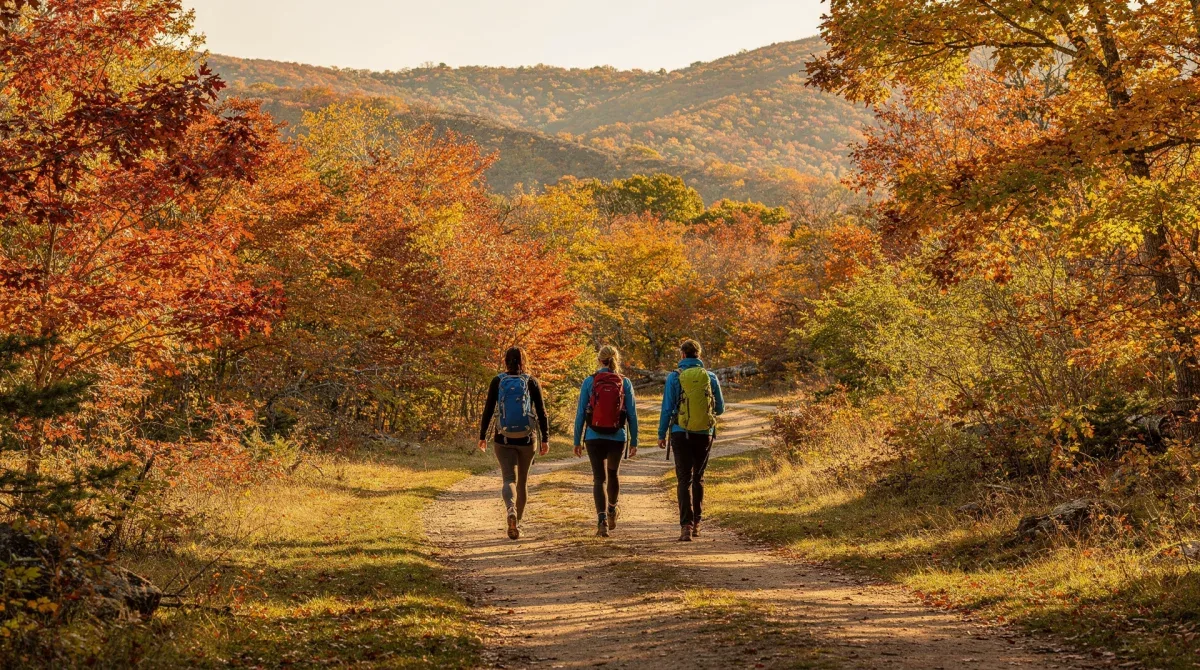
Choosing the shoulder season for your national park adventure offers numerous advantages beyond simply avoiding crowds. The natural beauty often shines brightest during these times, with spring wildflowers blooming or fall foliage painting the landscapes in brilliant hues. Wildlife is also typically more active and visible, as they are less disturbed by human presence.
- Reduced Crowds: Experience trails and viewpoints with significantly fewer people.
- Milder Weather: Enjoy comfortable temperatures, avoiding extreme heat or cold.
- Better Photography: Capture stunning images without hordes of tourists in the background.
- Enhanced Wildlife Viewing: Increased chances of spotting native animals in their natural habitats.
Ultimately, embracing the shoulder season allows for a more intimate and profound connection with nature, transforming a potentially stressful trip into a genuinely rejuvenating escape. It’s about experiencing the parks as they were meant to be enjoyed—peaceful, vast, and awe-inspiring.
Strategic Planning: When and How to Book in 2026
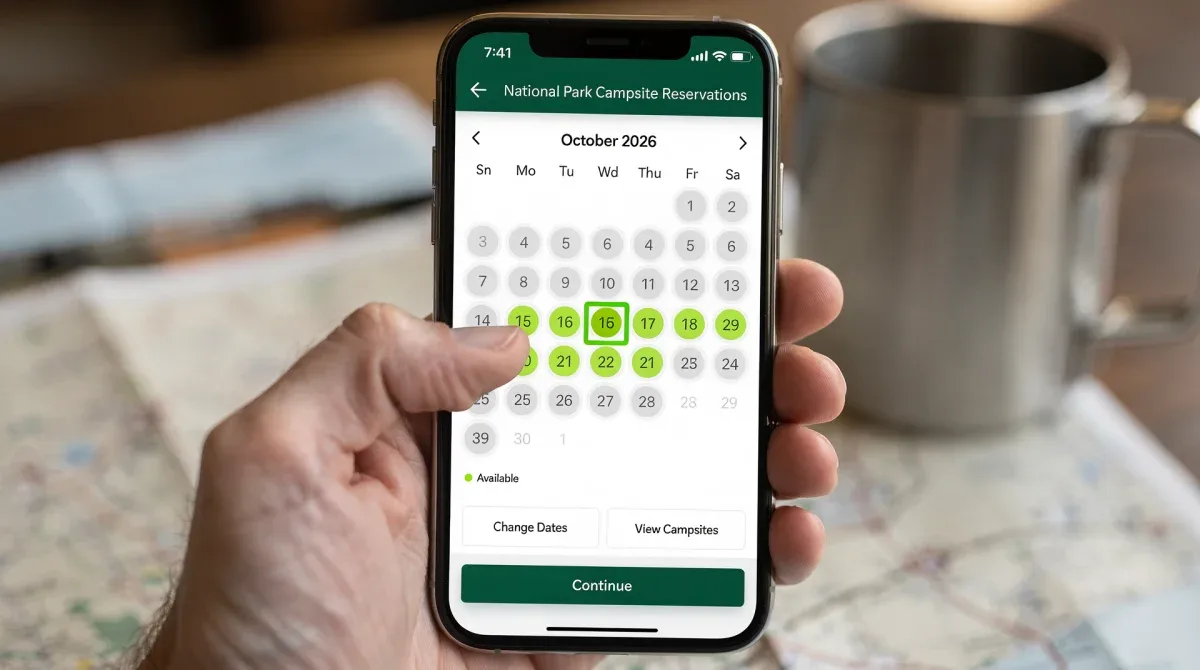
Successful shoulder season camping hinges on meticulous planning, especially when it comes to reservations. National Park campsites, even during less crowded times, can fill up quickly, particularly for popular parks. Understanding the reservation windows and acting swiftly is paramount to securing your ideal spot.

Most national parks utilize a six-month rolling reservation window, meaning you can book your campsite up to six months in advance of your desired arrival date. For instance, if you plan to visit in mid-September 2026, you should aim to book your site in mid-March 2026. This requires foresight and a keen awareness of specific park policies.
Key Reservation Platforms and Tips
Recreation.gov is the primary platform for booking most federal campsites, including those in national parks. Familiarize yourself with its interface well in advance of your booking date. Create an account, explore your desired campgrounds, and even practice navigating the system to ensure a smooth booking process when the window opens.
- Set Reminders: Mark your calendar six months out from your desired arrival date.
- Be Flexible: Have alternative dates and even alternative campgrounds in mind.
- Check Specific Park Rules: Some parks have unique reservation systems or first-come, first-served options for certain campgrounds.
- Log In Early: Be logged into Recreation.gov minutes before the booking window opens on your target date.
Beyond the primary reservation system, some parks may offer limited first-come, first-served sites, particularly in less popular campgrounds or during the very edges of the shoulder season. While these offer spontaneity, relying solely on them can be risky, especially if you're traveling a significant distance. Always have a backup plan, whether it's a nearby private campground or alternative lodging. Careful preparation ensures that your effort to avoid peak crowds is rewarded with a confirmed, tranquil camping experience.
Choosing Your National Park: Best Bets for Shoulder Season Tranquility
While almost any national park benefits from shoulder season visits, some destinations truly shine during these periods, offering an unparalleled experience with significantly reduced crowds. The key is to select parks where the weather remains enjoyable and the main attractions are still accessible, without the overwhelming tourist presence.
Consider parks like Zion National Park or Bryce Canyon National Park in Utah during the spring or fall. The summer heat in these desert parks can be intense, making the milder shoulder seasons ideal for hiking and exploration. Similarly, the Great Smoky Mountains National Park in the fall offers spectacular foliage and cooler temperatures, a stark contrast to the bustling summer months.
Parks That Thrive in Shoulder Seasons
Certain parks are particularly well-suited for shoulder season exploration due to their climate and typical visitor patterns. These are often parks where extreme summer heat or winter snows drive away visitors, making the transitional periods perfect.
- Acadia National Park (Fall): Gorgeous fall colors, fewer cars on Park Loop Road.
- Grand Canyon National Park (Spring/Fall): Pleasant hiking temperatures, less crowded viewpoints.
- Yellowstone National Park (Late Spring/Early Fall): Active wildlife, fewer RVs, and better photo opportunities.
- Joshua Tree National Park (Spring/Fall): Ideal temperatures for rock climbing and desert hikes.
Researching specific park conditions for your chosen shoulder season is vital. Check official park websites for information on road closures, facility availability, and potential weather patterns. A well-informed choice ensures that your pursuit of tranquility isn't hampered by unexpected logistical challenges, allowing you to fully immerse yourself in the park's natural splendor.
Maximizing Your Experience: Activities and Hidden Gems
Visiting National Parks during the shoulder seasons opens up opportunities to engage with the landscape in ways that are often impossible during peak times. With fewer people, trails become more inviting, viewpoints offer unobstructed vistas, and the overall atmosphere is one of peace and discovery. This is your chance to delve deeper into the park's offerings.
Consider embarking on longer hikes that might be too crowded in summer, or exploring less-trafficked trails that reveal hidden waterfalls or panoramic overlooks. Many parks offer ranger-led programs that are more intimate and engaging with smaller groups. Wildlife viewing becomes a highlight, as animals are more likely to be out and about when human activity is reduced.
Embracing the Uncrowded Trails
The absence of peak crowds transforms the hiking experience. You can walk at your own pace, pause for photography without feeling rushed, and truly absorb the sounds and sights of nature. This is also an excellent time for activities like birdwatching, stargazing, or simply finding a quiet spot to read and reflect.
- Early Morning Hikes: Beat the few remaining crowds and witness stunning sunrises.
- Stargazing: Enjoy darker skies with fewer ambient lights from other campers.
- Photography Expeditions: Capture iconic landscapes without battling for a vantage point.
- Picnics with a View: Find secluded spots for a peaceful meal amidst nature.
Look beyond the main attractions. Many parks have lesser-known trails or overlooks that offer equally breathtaking views but see only a fraction of the visitors. Consult park rangers or visitor center staff for recommendations on these hidden gems. They often have invaluable insights into current conditions and quiet spots that aren't widely advertised, helping you to truly avoid 50% of peak crowds and discover the park's true essence.
Packing Smart: Essential Gear for Shoulder Season Adventures
The transitional nature of shoulder seasons means weather can be unpredictable, often swinging between warm days and chilly nights, or even experiencing sudden shifts. Packing appropriately is crucial for comfort and safety, ensuring that your experience isn't marred by being unprepared for the elements. Layering is the golden rule for shoulder season travel.
Begin with a moisture-wicking base layer, add an insulating mid-layer like a fleece or down jacket, and top it off with a waterproof and windproof outer shell. This allows you to adjust your clothing throughout the day as temperatures change. Don't forget a warm hat, gloves, and sturdy, waterproof hiking boots, as trails can sometimes be muddy or have unexpected patches of snow or ice.
Gear Checklist for Comfort and Safety
Beyond clothing, consider other essentials that will enhance your shoulder season camping and hiking. A reliable headlamp is a must, as daylight hours shorten in the fall and mornings are still dim in the spring. A portable stove and sufficient fuel are important, as some park facilities, like concession stands, might operate on reduced schedules.
- Layered Clothing: Base, mid, and outer layers for varying temperatures.
- Waterproof Gear: Rain jacket, pants, and backpack cover.
- Navigation Tools: Map, compass, or GPS device (cellular service can be spotty).
- First-Aid Kit: Comprehensive kit for minor injuries and emergencies.
- Bear Canister/Food Storage: Essential for parks with active bear populations.
Always carry plenty of water, even in cooler temperatures, and high-energy snacks. Inform someone of your itinerary, especially if you plan on solo hikes. Being well-prepared for any eventuality will allow you to fully enjoy the tranquility and beauty of the national parks during these less crowded times, making your trip both comfortable and memorable.
Sustainable Travel: Preserving Our National Parks
As we seek to avoid peak crowds and enjoy the serenity of national parks during the shoulder seasons, it's equally important to embrace sustainable travel practices. Our collective actions directly impact the health and longevity of these precious natural spaces. Responsible visitation ensures that future generations can also experience the same awe and wonder.
The core principle of sustainable travel in national parks is 'Leave No Trace.' This philosophy encourages visitors to minimize their impact on the environment by planning ahead, disposing of waste properly, respecting wildlife, and leaving what they find. During shoulder seasons, when wildlife might be more active and fewer rangers are on duty, these principles become even more critical.
Leave No Trace Principles
Adhering to the seven Leave No Trace principles is fundamental for any national park visitor. These guidelines are designed to protect the natural and cultural resources of these areas, ensuring their preservation for years to come. By following these principles, you contribute directly to the health of the park ecosystem.
- Plan Ahead and Prepare: Know the rules and potential hazards of the area.
- Travel and Camp on Durable Surfaces: Stick to established trails and campsites.
- Dispose of Waste Properly: Pack it in, pack it out.
- Leave What You Find: Do not disturb natural or cultural artifacts.
- Minimize Campfire Impacts: Use established fire rings or portable stoves.
- Respect Wildlife: Observe from a distance and never feed animals.
- Be Considerate of Other Visitors: Preserve the tranquility for everyone.
Even small actions, like staying on marked trails or properly storing food to deter wildlife, make a significant difference. By practicing sustainable tourism, we not only protect the parks but also enhance our own experience by fostering a deeper connection to the natural world. Choosing the shoulder season is a step towards a more sustainable and enjoyable national park adventure for everyone.
| Key Point | Brief Description |
|---|---|
| Shoulder Seasons | Periods (late spring/early fall) offering fewer crowds and pleasant weather in National Parks. |
| Booking Strategy | Utilize Recreation.gov's six-month rolling window; book precisely when reservations open. |
| Park Selection | Choose parks where shoulder seasons offer ideal weather and open access to attractions. |
| Sustainable Travel | Adhere to Leave No Trace principles to preserve park ecosystems for future enjoyment. |
Frequently Asked Questions About Shoulder Season Camping
What are the specific dates for shoulder seasons in 2026?▼For most US National Parks, the spring shoulder season typically runs from April to early June, and the fall shoulder season from September to October. These dates can vary by park, so always check the specific park's official website for precise information and conditions, which might be influenced by local climate and elevation.
How far in advance should I book campsites for the shoulder season?▼Most national park campsites operate on a six-month rolling reservation window via Recreation.gov. To secure your spot, plan to book exactly six months before your desired arrival date, often logging on right when the booking window opens. Popular parks can fill up quickly even during shoulder times, making early booking essential.
Are all facilities open during the shoulder seasons?▼While many main facilities remain open, some services, such as certain visitor centers, concession stands, or specific campgrounds, might operate on reduced hours or seasonal closures during the shoulder seasons. Always check the park's official website for up-to-date information on operating hours and facility availability before your visit to avoid surprises.
What kind of weather should I expect during shoulder seasons?▼Shoulder season weather is generally milder but can be unpredictable. Expect comfortable daytime temperatures, but be prepared for cooler evenings, sudden rain showers, or even early/late season snow, especially at higher elevations. Layered clothing is highly recommended to adapt to changing conditions throughout your visit, ensuring comfort and safety.
Is wildlife more visible during the shoulder seasons?▼Yes, wildlife is often more active and visible during the shoulder seasons. With fewer human disturbances, animals tend to be more comfortable venturing closer to trails and open areas. This provides excellent opportunities for wildlife viewing, but always remember to observe from a respectful distance and never feed animals to ensure their safety and yours.
Conclusion
Embracing the shoulder seasons for your National Park adventures in 2026 is a strategic choice that promises a richer, more tranquil experience. By meticulously planning your reservations, selecting the right parks, packing appropriately, and adhering to sustainable travel practices, you can successfully avoid 50% of peak crowds. This thoughtful approach allows for a deeper connection with nature, fostering unforgettable memories in some of America's most cherished landscapes. Prepare wisely, respect the environment, and enjoy the unparalleled beauty of our national parks without the usual hustle and bustle.
