Is the 21-Day Window Still Real? Flight Booking Strategies
The 21-day flight booking window, once a golden rule, is now a dynamic factor within broader data-backed strategies that can reduce domestic airfare by an average of 18% through informed timing and flexibility.
For years, travelers have heard about the elusive 21-day window, a supposed sweet spot for snagging the best airfare deals. But in today's ever-changing travel landscape, flight booking strategies need to evolve. We're diving deep into recent data to uncover if this traditional wisdom still holds true and how you can genuinely cut domestic airfare by a significant 18%.
The Myth of the 21-Day Window: A Modern Reappraisal
The idea of booking exactly 21 days before your domestic flight used to be gospel among budget-conscious travelers. The logic was simple: airlines would release initial low fares, then gradually increase them as demand grew, only to drop them again slightly in the final weeks to fill remaining seats. However, the advent of sophisticated airline algorithms and dynamic pricing models has significantly altered this landscape, making a rigid 21-day rule less reliable than it once was.
Modern data suggests that while there might still be some merit to booking neither too early nor too late, the specific 21-day mark is no longer a universal truth. Instead, a broader 'sweet spot' has emerged, influenced by a multitude of factors beyond a single countdown. Travelers who adhere strictly to an outdated rule risk missing out on genuinely better deals that appear outside this narrow timeframe.
Airline Pricing Algorithms and Their Impact
Airlines now employ advanced algorithms that analyze vast amounts of data, including historical booking patterns, competitor pricing, fuel costs, weather forecasts, major events, and even real-time demand. This means prices can fluctuate by the hour, making a fixed booking window less predictable. The goal of these algorithms is to maximize revenue, not to adhere to a predictable pricing schedule for consumers.
- Dynamic Pricing: Fares change constantly based on demand, time of day, and even the device you're using.
- Capacity Management: Airlines adjust prices to fill planes, often leading to last-minute deals or price hikes.
- Competitor Matching: Algorithms monitor rivals and adjust prices to stay competitive or undercut.
Understanding these underlying mechanisms is crucial for any traveler hoping to outsmart the system. The focus should shift from a specific number of days to a more holistic approach that considers market dynamics and behavioral patterns.
In conclusion, while the 21-day window might offer occasional benefits, relying solely on it is a gamble. Travelers should instead focus on understanding the broader trends and employing more flexible, data-driven strategies to secure the best possible fares for their domestic trips.
Unveiling the New Sweet Spot: When to Really Book Domestic Flights
If the 21-day window is no longer the definitive guide, what is? Recent comprehensive analyses of millions of flight bookings reveal a more nuanced 'sweet spot' for domestic airfare. This window typically falls between 28 and 100 days before departure, with prices generally starting to climb significantly within the last three weeks before the flight.
Booking within this broader range allows travelers to leverage early-bird discounts without committing too far in advance, which can lead to missed opportunities if prices drop unexpectedly. It's a balance between securing a good rate and maintaining flexibility. The exact optimal day within this window can vary, but staying within these bounds significantly increases your chances of finding a good deal.
The 47-Day Phenomenon: A Statistical Anomaly or Reliable Trend?
Some studies have pointed to a '47-day' rule as a new golden standard, suggesting that booking approximately six to seven weeks out yields the lowest prices on average. While this number is often cited, it's essential to view it as an average, not an absolute. The 47-day mark is a statistical sweet spot that can vary based on destination, season, and airline.
- Seasonal Variations: Peak travel seasons (holidays, summer) often require booking further in advance.
- Destination Specifics: Popular routes or smaller airports might have different optimal booking times.
- Day of Week: Booking on Tuesdays or Wednesdays is often cited as cheaper due to airline sales cycles.
The key takeaway is that the ideal booking time is a moving target. Instead of focusing on a single number, travelers should aim for the wider 28-100 day window, paying close attention to price tracking and market shifts, especially for popular routes or during high-demand periods. Flexibility remains a traveler's best friend in navigating these fluctuating prices.
Ultimately, the new sweet spot is less about a precise day and more about a strategic window of opportunity. By understanding these broader trends and being adaptable, travelers can significantly improve their chances of securing more affordable domestic flights.
Leveraging Data: Tools and Techniques for Smarter Booking
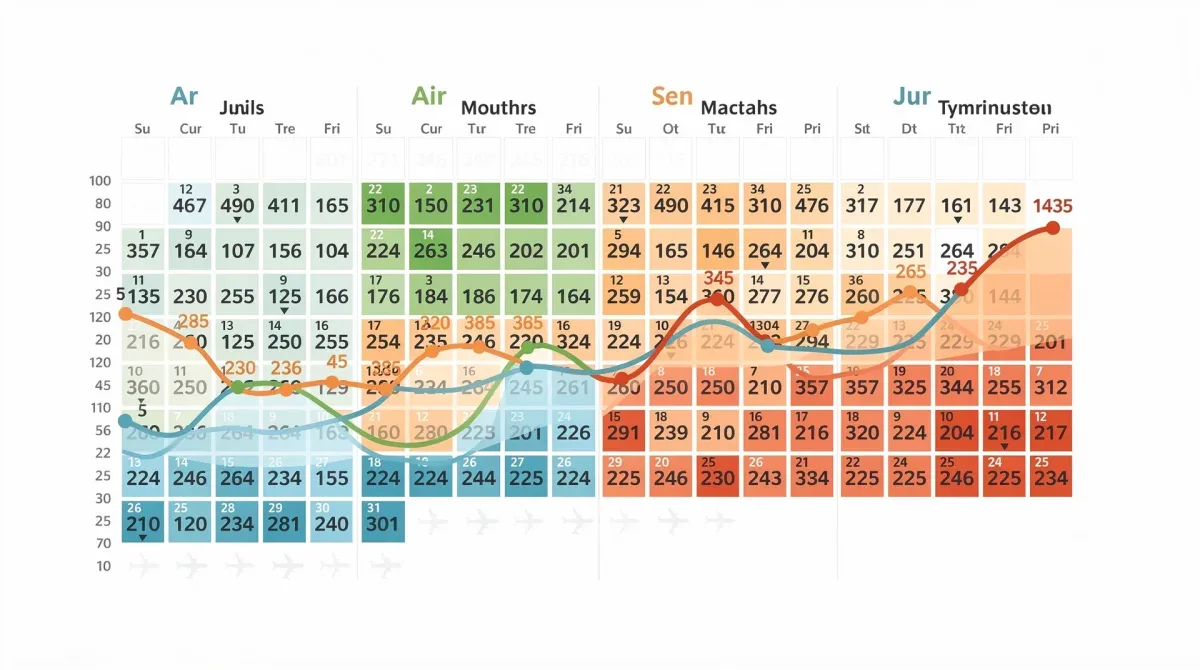
In the absence of a simple 21-day rule, data-backed tools have become indispensable for savvy travelers. These resources empower you to track price fluctuations, set alerts, and identify the best times to purchase tickets, effectively cutting through the noise of constantly changing fares. Relying on these intelligent tools removes much of the guesswork from flight booking, allowing for more informed decisions.
The goal is to use technology to your advantage, turning the tables on airline algorithms. By monitoring prices over time, you can discern patterns, identify genuine dips, and avoid impulse purchases when prices are artificially inflated. This strategic approach is fundamental to achieving significant savings on domestic airfare.
Price Prediction and Alert Services
Several online platforms offer price prediction and alert services that analyze historical data to forecast future price movements. These tools can notify you when prices for your desired route drop, helping you snag a deal without constant manual checking. This automation is a game-changer for busy travelers.
- Google Flights: Offers price tracking and email alerts for specific routes and dates.
- Hopper: Uses predictive algorithms to tell you whether to buy now or wait, along with price drop notifications.
- Skyscanner: Provides price alerts and a 'Best Time to Book' feature for popular routes.
Beyond alerts, these platforms often provide insights into historical price ranges, allowing you to gauge whether a current fare is a good deal. Understanding the typical price range for your route can prevent you from overpaying.
By actively utilizing these data-driven tools, travelers can transform their flight booking process from a guessing game into a strategic operation, leading to consistent savings.
The Power of Flexibility: Dates, Airports, and Airlines
One of the most potent weapons in a traveler's arsenal for cutting flight costs is flexibility. While not always feasible, being open to adjusting your travel dates, considering alternative airports, or flying with different airlines can unlock substantial savings, often much more than any fixed booking window could offer. This adaptability directly counters the rigid pricing structures airlines often employ.
Even minor adjustments can yield significant results. For instance, shifting your departure or return by a single day can sometimes halve the price of a ticket. This is because airline demand varies greatly even within a week, and algorithms are designed to capitalize on peak travel days.
Adjusting Travel Dates and Times
Flying during off-peak days and times is a classic, yet still highly effective, strategy. Mid-week flights (Tuesday, Wednesday, Thursday) are generally cheaper than weekend travel. Early morning or late-night flights also tend to be less expensive due to lower demand.
- Mid-week travel: Tuesdays, Wednesdays, and Thursdays often have lower fares.
- Off-peak hours: Early morning or late-night flights can be significantly cheaper.
- Shoulder season: Traveling just before or after peak season can offer great deals.
Even if you can't be completely flexible with your dates, using flexible date search options on flight aggregators can reveal cheaper days within your chosen week or month. This small effort can lead to considerable savings.
Exploring Alternative Airports
Many major cities are served by multiple airports. While one might be more convenient, checking fares to and from smaller, less congested airports in the same region can often result in lower ticket prices. The savings on airfare can sometimes outweigh the cost and time of additional ground transportation.
- Consider regional airports: Smaller airports often have lower landing fees, which can translate to cheaper tickets.
- Factor in ground transport: Always calculate the total cost, including transportation to and from the alternative airport.
- Utilize 'nearby airports' search functions: Most flight search engines allow you to include airports within a certain radius.
By embracing flexibility in your travel plans, you empower yourself to find the best possible deals, often bypassing the higher prices associated with rigid itineraries. This strategic approach is paramount in securing an 18% cut in airfare.
Beyond Booking: Additional Strategies for Airfare Reduction
While timing and flexibility are crucial, smart travelers employ a broader set of tactics to further reduce their domestic airfare. These strategies range from leveraging credit card rewards to understanding fare classes and even considering alternative forms of travel. A holistic approach ensures you're not leaving any savings on the table.
It's about being an informed consumer, constantly seeking out advantages in a complex pricing system. Combining these additional strategies with optimal booking times can amplify your savings, making travel more accessible and affordable.
Utilizing Loyalty Programs and Credit Card Rewards
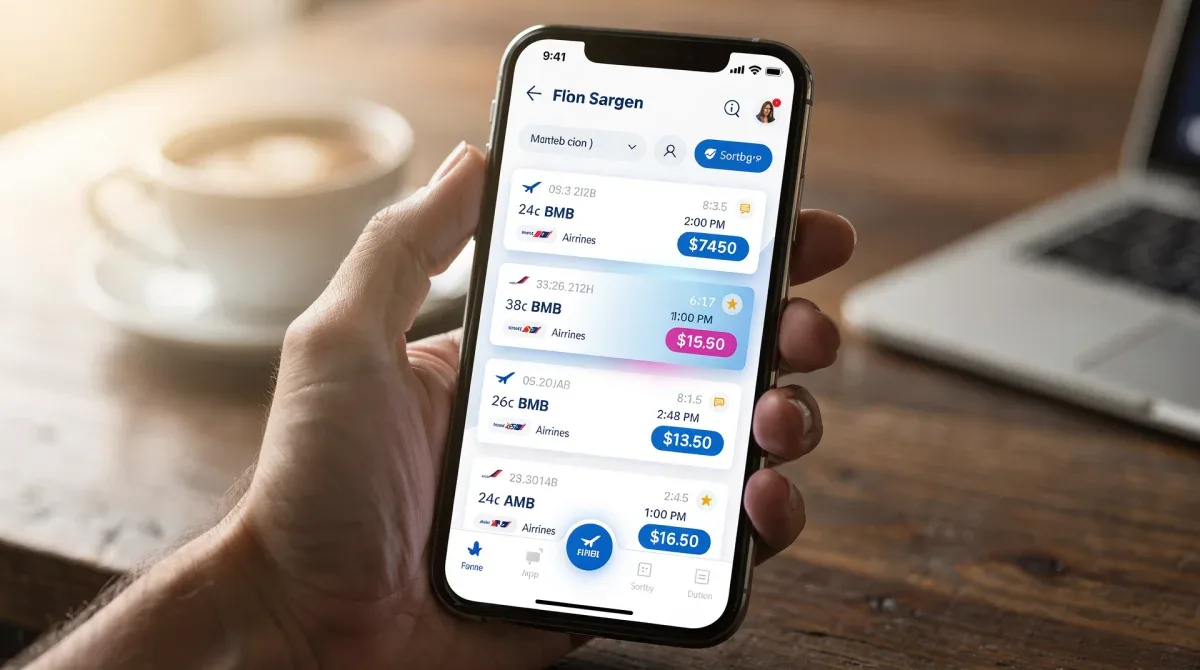
Airline loyalty programs and travel-focused credit cards can offer substantial benefits, including free flights, upgrades, and exclusive discounts. Accumulating points or miles through everyday spending can significantly offset the cost of airfare.
- Airline co-branded credit cards: Often come with sign-up bonuses of tens of thousands of miles.
- General travel rewards cards: Offer flexible points that can be transferred to various airline partners.
- Loyalty status: Earning elite status can provide perks like free checked bags, priority boarding, and sometimes even discounted fares.
Strategic use of these programs requires planning and understanding the best ways to earn and redeem points. Always ensure the annual fee of a credit card is justified by the benefits you receive.
Understanding Fare Classes and Hidden City Ticketing
Airlines categorize tickets into different fare classes, each with its own rules and price points. While not always obvious, understanding these can sometimes reveal opportunities. 'Hidden city ticketing,' where you book a flight with a layover at your actual destination and simply exit there, is another controversial but sometimes effective strategy.
- Fare classes: Different letters on your ticket correspond to different fare rules and flexibility.
- Hidden city ticketing: Can be cheaper but carries risks, such as checked luggage going to the final destination.
- One-way vs. round-trip: Sometimes booking two one-way tickets on different airlines is cheaper than a single round-trip.
These advanced tactics require more research and a willingness to navigate airline policies, but they can lead to considerable savings for the adventurous traveler. Always weigh the potential savings against any associated risks or inconveniences.
By integrating these diverse strategies, travelers can build a robust framework for consistently finding and securing the best possible domestic airfares, going far beyond the limitations of a single booking window concept.
Case Studies: Real-World Savings and What They Teach Us
Examining real-world examples of travelers who have successfully cut their airfare provides tangible evidence of these strategies in action. These case studies highlight not only the potential for significant savings but also the importance of adaptability and informed decision-making. Learning from others' experiences can refine your own booking approach.
These stories often underscore that there isn't a single magic bullet, but rather a combination of smart choices that lead to the best outcomes. From early planners to last-minute opportunists, the common thread is a strategic mindset.
The Early Bird Who Waited: A $150 Saving
Consider Sarah, who planned a trip from New York to Miami. Initially, she saw high prices three months out. Instead of booking, she set up price alerts. Around 60 days before her trip, a major airline released a flash sale, dropping prices by $150. Her patience and use of price tracking paid off, demonstrating that sometimes waiting a bit, even if you are an 'early bird,' can be beneficial if you're tracking.
- Lesson: Early planning combined with price alerts allows you to capitalize on unforeseen sales.
- Strategy: Don't jump on the first price; track and compare.
Sarah's experience illustrates the dynamic nature of airline pricing. Even when planning well in advance, continuous monitoring is key to securing optimal fares.
The Flexible Traveler: $200 Saved by Shifting Dates
Mark needed to fly from Chicago to Denver but had some flexibility with his travel dates. His initial search for a Friday departure was expensive. By shifting his departure to a Tuesday and returning on a Thursday, he found a flight for $200 less on the same airline. This small adjustment, made possible by his flexible schedule, resulted in substantial savings.
- Lesson: Flexibility with dates, even by a day or two, can lead to significant price differences.
- Strategy: Always check prices for surrounding dates using flexible search options.
Mark's case is a prime example of how even minor adjustments to your itinerary can unlock considerable savings, emphasizing the value of not being rigidly tied to specific days.
The Multi-Airport Approach: $100 Savings and a Shorter Drive
David was flying to Los Angeles and initially only checked LAX. However, by expanding his search to include nearby airports like Long Beach (LGB) and John Wayne Airport (SNA), he found a flight into LGB that was $100 cheaper. Surprisingly, LGB was also closer to his final destination, saving him both money and travel time on the ground.
- Lesson: Always explore alternative airports, as they can offer better prices and sometimes better convenience.
- Strategy: Use the 'include nearby airports' feature on flight search engines.
These case studies collectively demonstrate that a combination of informed strategies, rather than adherence to a single outdated rule, is the most effective way to cut domestic airfare. They reinforce the notion that active engagement with the booking process yields the best results.
Future Trends: What to Expect in Flight Booking
The landscape of flight booking is constantly evolving, driven by technological advancements, shifting consumer behaviors, and global events. Looking ahead, several trends are likely to shape how we search for and purchase airfare, further moving away from simplistic rules like the 21-day window and towards more personalized and dynamic strategies.
Staying abreast of these emerging trends will be crucial for travelers who wish to continue optimizing their flight bookings and securing the best possible deals. The future promises more sophisticated tools and potentially new challenges.
AI and Personalized Pricing
Artificial intelligence is becoming increasingly sophisticated in its ability to analyze individual user data. This could lead to even more personalized pricing, where fares are tailored not just to demand but also to your browsing history, location, and even perceived willingness to pay. While this offers airlines greater revenue potential, it also means travelers will need smarter counter-strategies.
- Dynamic pricing on steroids: Prices could change based on individual user profiles.
- Incognito mode: May become more essential to avoid price tracking based on browsing history.
The rise of AI in pricing necessitates a proactive approach from consumers, focusing on data privacy and utilizing tools that can cut through personalized offers to find the true market value.
Subscription Models and Bundled Fares
Airlines are experimenting more with subscription models, where travelers pay a recurring fee for certain benefits, and bundled fares, which combine various services (checked bags, seat selection) into a single price. These models could offer new ways to save, especially for frequent flyers, but will require careful evaluation to ensure they provide real value.
- Airline subscriptions: May offer discounted flights or exclusive access to deals.
- Fare bundles: Compare bundled prices carefully against 'basic economy' plus add-ons.
Understanding these evolving fare structures will be key to making informed decisions and avoiding hidden costs, ensuring that you're always getting the best deal for your travel needs.
In summary, the future of flight booking will demand even greater vigilance and adaptability from travelers. By embracing new technologies and understanding evolving pricing models, you can continue to navigate the complexities and secure optimal airfares.
| Key Strategy | Brief Description |
|---|---|
| Optimal Booking Window | Aim for 28-100 days out; avoid strict adherence to the 21-day rule. |
| Embrace Flexibility | Adjust dates, times, and consider alternative airports for better deals. |
| Utilize Price Tracking Tools | Set alerts and use prediction services to monitor price fluctuations. |
| Leverage Rewards | Use credit card points and airline loyalty programs to offset costs. |
Frequently Asked Questions About Flight Booking
Is the 21-day booking window still relevant for domestic flights?▼No, the rigid 21-day window is largely outdated. Modern airline pricing algorithms make fares dynamic. While booking too late is often expensive, the optimal window is now broader, typically between 28 and 100 days before departure, with significant variations based on destination and season.
What is the new 'sweet spot' for booking domestic flights?▼Data suggests the new sweet spot for domestic flights is generally between 28 and 100 days before travel. Some analyses point to an average around 47 days out, but this is a statistical average, not a strict rule. Flexibility and price tracking within this broader window are key.
How can I use technology to find cheaper flights?▼Utilize flight comparison websites like Google Flights, Hopper, and Skyscanner. These platforms offer price tracking, email alerts, and predictive analytics that advise you on whether to book now or wait. Setting price alerts is a highly effective way to catch fare drops.
Does flying on specific days of the week save money?▼Yes, flying on mid-week days, typically Tuesdays, Wednesdays, and Thursdays, often results in lower fares compared to weekend travel. Early morning or late-night flights can also be cheaper. Flexibility with your travel dates is a powerful tool for reducing costs significantly.
What role do alternative airports play in cutting airfare?▼Checking alternative, smaller airports near your destination can lead to substantial savings. These airports often have lower fees, which translate to cheaper tickets. Always factor in ground transportation costs, but the savings on airfare can often outweigh any inconvenience.
Conclusion
The traditional 21-day window for booking domestic flights is no longer the definitive guide for savvy travelers. Instead, a more dynamic, data-backed approach is essential to truly cut airfare. By understanding the new optimal booking window of 28 to 100 days, embracing flexibility in travel dates and airports, and leveraging advanced price tracking tools, travelers can significantly reduce their domestic airfare, often by as much as 18%. The future of flight booking demands adaptability and informed decision-making, moving beyond simplistic rules to a strategic, holistic approach for maximum savings.

