Mastering 2026 Wilderness Permits for 50-Mile Treks
The 2026 National Wilderness Permit System streamlines access for 50-mile backcountry treks, requiring careful planning and adherence to specific application windows to secure your desired wilderness experience.
Embarking on a multi-day backcountry trek through America's pristine wilderness offers unparalleled adventure and solitude. However, securing the necessary permits can often feel like navigating a labyrinth. This guide on Mastering the 2026 National Wilderness Permit System: A Step-by-Step Guide for 50-Mile Backcountry Treks is designed to demystify the process, ensuring your journey from planning to permit acquisition is as smooth as your trail ahead.
Understanding the 2026 National Wilderness Permit System
The National Wilderness Permit System for 2026 represents a crucial framework designed to protect our most fragile ecosystems while providing equitable access to millions of outdoor enthusiasts. This system is a dynamic tool, constantly evolving to balance increasing visitor numbers with the imperative to preserve the wilderness character. Understanding its core principles is the first step towards a successful permit application, especially for extended 50-mile backcountry treks that often require more stringent planning.
The primary goal of the permit system is to manage human impact within designated wilderness areas. This involves regulating entry points, group sizes, and overnight stays, all of which contribute to minimizing erosion, protecting wildlife, and preserving the solitude that defines these special places. For 2026, specific changes might include updated quota allocations, revised application timelines, or new entry point restrictions, reflecting ongoing assessments of wilderness health and visitor trends across various national parks and forests.
Key regulatory changes for 2026
- Updated Quota Allocations: Many popular wilderness areas will see adjustments to their daily or seasonal entry quotas, based on environmental impact studies and visitor data from previous years.
- Revised Application Windows: Be aware of staggered application opening dates, as some parks may shift their timelines to better distribute demand and reduce server load.
- Digital-First Initiatives: An increasing number of wilderness areas are moving towards entirely digital permit applications, reducing paper waste and streamlining the process.
Navigating these regulations requires proactive research and a clear understanding of the specific wilderness area you intend to visit. Each park or forest often has its own set of rules and a unique permit application portal, even within the broader national system. Therefore, a one-size-fits-all approach is rarely effective for securing your desired permit. It's essential to identify the managing agency, whether it's the National Park Service, the U.S. Forest Service, or the Bureau of Land Management, and then delve into their specific permit requirements. This foundational knowledge is critical for anyone planning a significant backcountry experience, such as a 50-mile trek.
In conclusion, the 2026 wilderness permit system is a vital mechanism for preserving America's wild spaces. Successful engagement with this system begins with a thorough understanding of its purpose and the specific regulations pertinent to your chosen destination. Early preparation and detailed research will significantly increase your chances of securing a permit for your unforgettable 50-mile backcountry adventure.
Choosing Your 50-Mile Backcountry Destination
Selecting the ideal destination for a 50-mile backcountry trek is a pivotal decision that influences every aspect of your permit application and overall experience. This choice goes beyond just scenic beauty; it involves considering the wilderness area's specific regulations, permit demand, and the logistical challenges inherent in such an extensive journey. For 2026, popular destinations like the John Muir Trail, parts of the Pacific Crest Trail, or extended routes in national parks like Yosemite or Olympic will continue to be highly sought after, necessitating strategic planning.
When evaluating potential destinations, consider the unique characteristics of each wilderness area. Some may have well-established permit systems with high competition, while others might offer more flexibility. Researching historical permit availability can provide valuable insights into your chances of success. Furthermore, assess the terrain, elevation changes, water sources, and potential hazards of a 50-mile route. A realistic evaluation of your group's fitness and experience level is paramount to ensure a safe and enjoyable trek.
Researching popular wilderness areas
- Yosemite National Park: Known for its iconic granite formations and waterfalls, Yosemite offers numerous demanding 50-mile routes, often requiring advance lottery applications.
- Olympic National Park: Featuring diverse ecosystems from temperate rainforests to alpine meadows and rugged coastlines, its permit system manages access to specific trailheads.
- Grand Canyon National Park: Backcountry permits for rim-to-river or trans-canyon treks are notoriously competitive and require meticulous planning well in advance.
- Rocky Mountain National Park: Offers stunning high-alpine routes; its permit system focuses on managing trailhead quotas and designated campsites.
Beyond the major national parks, consider national forests and BLM lands, which often offer equally stunning but potentially less competitive wilderness experiences. These areas might have slightly different permitting authorities and processes, so always verify the managing agency. Factors like seasonal closures, fire restrictions, and bear canister requirements also play a significant role in destination selection and trip planning. A 50-mile trek demands a deep dive into these details to prevent unexpected complications.
Ultimately, the best 50-mile backcountry destination for you will align with your trekking goals, experience, and the practicalities of securing a permit. Dedicate ample time to researching various options, evaluating their permit systems, and understanding the unique challenges and rewards each wilderness area presents. This thorough groundwork will lay the foundation for a truly memorable and successful adventure.
Navigating Permit Application Timelines and Lotteries
Successfully securing a permit for your 50-mile backcountry trek in 2026 hinges critically on understanding and adhering to the complex world of application timelines and lotteries. Many of the most sought-after wilderness areas operate on a competitive lottery system, requiring applicants to submit their requests months, sometimes even a year, in advance of their desired trip dates. Missing a deadline by even a day can mean losing your chance for a coveted permit.
Each wilderness area, managed by agencies like the National Park Service or U.S. Forest Service, publishes its specific application windows. These often vary widely, with some opening in late fall for the following summer season, while others might have rolling windows or specific monthly releases. It is paramount to identify these dates for your chosen destination and mark them prominently on your calendar. Setting multiple reminders can be a lifesaver in this competitive landscape.
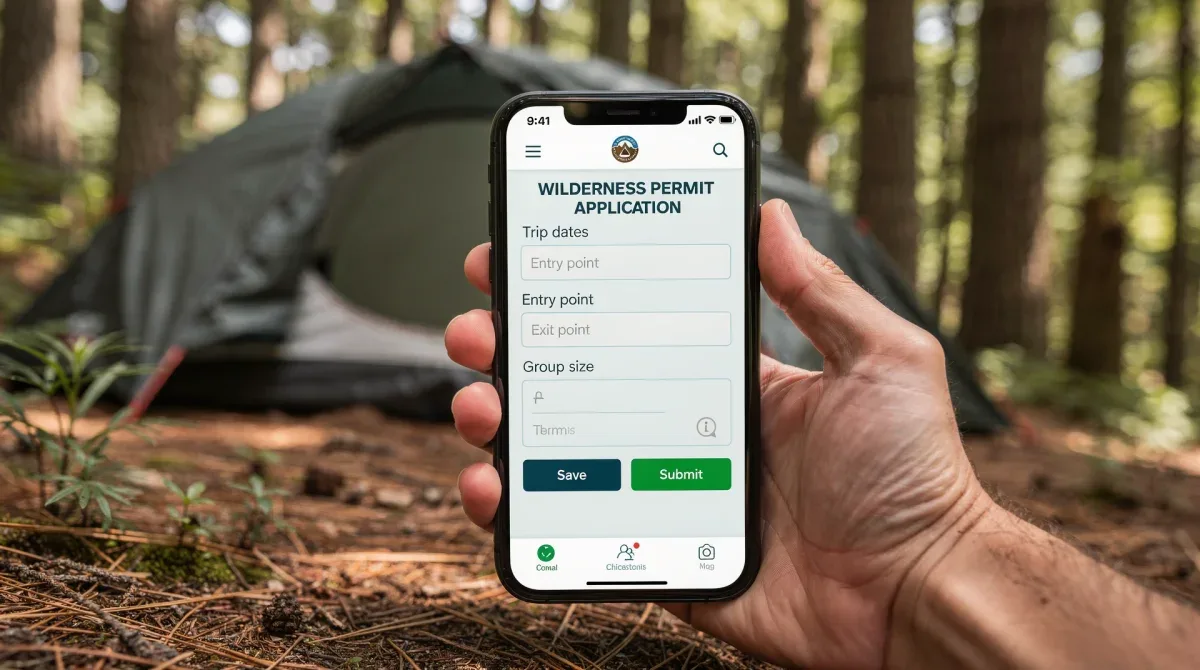
Key strategies for application success
- Identify Application Dates Early: Research and note the exact opening and closing dates for permit applications for your target wilderness area.
- Prepare Backup Dates: Have several alternative trip dates and even alternative entry points ready, as your first choice might not be available.
- Understand Lottery Mechanics: Familiarize yourself with how the lottery system works for your specific park or forest, including drawing dates and notification processes.
- Group Coordinator: Designate one person as the primary applicant to avoid duplicate applications, which can sometimes lead to disqualification.
For destinations employing a lottery system, increasing your odds often involves strategic date selection and understanding peak demand periods. Weekends, holidays, and prime summer months are typically the most competitive. If your schedule allows, consider applying for mid-week dates or shoulder seasons (late spring, early fall) when demand might be slightly lower. Some systems also allow you to list multiple preferred dates or entry points within a single application, which can significantly improve your chances.
It is also crucial to be prepared for the actual application process itself. Many online portals require you to create an account in advance. Ensure all group member information, emergency contacts, and detailed itinerary plans are ready to input quickly once the application window opens. Technical glitches or slow internet can be frustrating, so completing as much preparatory work as possible before the official opening can make a difference.
In essence, successfully navigating the permit application timelines and lotteries for your 2026 50-mile backcountry trek is a game of patience, precision, and preparation. By being meticulously organized and understanding the nuances of each system, you significantly enhance your probability of securing the golden ticket to your wilderness adventure.
Crafting Your Detailed Itinerary for Permit Approval
A successful permit application for a 50-mile backcountry trek in 2026 often hinges on a meticulously crafted itinerary. Wilderness agencies require detailed plans not just for administrative purposes, but as a critical tool for managing resources, ensuring visitor safety, and facilitating search and rescue operations if needed. A well-thought-out itinerary demonstrates your preparedness and respect for the wilderness, increasing the likelihood of permit approval.

Your itinerary should outline your proposed route, including specific entry and exit trailheads, daily mileage, and planned overnight campsites. For a 50-mile trek, this typically means 5-7 days of hiking, and each night's location must be clearly specified. Many wilderness areas have designated camping zones or specific sites that must be reserved or adhered to. Failing to specify these correctly can lead to permit rejection or violations on the trail.
Essential components of a robust itinerary
- Entry and Exit Points: Clearly state your starting and ending trailheads, along with the proposed dates for each.
- Daily Mileage and Campsites: Break down your 50-mile trek into realistic daily segments, indicating where you plan to camp each night. Be sure to research designated campsites or zones.
- Group Size and Gear: Provide accurate information on the number of people in your group and confirm compliance with any gear requirements, such as bear canisters or waste disposal systems.
- Emergency Contacts: Include reliable emergency contact information for someone not on the trip who can be reached if necessary.
Beyond the basic route details, consider adding contingency plans. What will you do if weather delays your start, or if a group member experiences an injury? While not always required on the application form, having these scenarios worked out internally speaks volumes about your preparedness. Many online permit systems now include fields for such details or allow for notes, which can be an excellent place to briefly mention your backup strategies.
Accuracy is paramount. Double-check all dates, trail names, and campsite designations against official park or forest maps and resources. Inconsistencies or errors can flag your application for review or rejection. Furthermore, ensure your proposed itinerary adheres to all wilderness regulations, such as maximum group sizes, minimum impact principles, and any specific rules regarding fires or food storage. Agencies are increasingly vigilant about adherence to these guidelines.
In conclusion, crafting a detailed and realistic itinerary is not just a formality; it's a cornerstone of responsible backcountry travel and a key factor in securing your 2026 wilderness permit. By investing time in thorough planning and clearly communicating your intentions, you not only improve your chances of approval but also set the stage for a safer and more enjoyable 50-mile adventure.
Essential Gear and Preparation for a 50-Mile Trek
A 50-mile backcountry trek demands meticulous gear selection and thorough physical and mental preparation. Beyond securing your 2026 wilderness permit, the success and safety of your journey largely depend on what you carry and how well you've prepared yourself and your group. Underestimating the demands of such a long and potentially remote trip can lead to serious consequences, making this stage as critical as the permit application itself.
Your gear list should be comprehensive yet mindful of weight, as every ounce adds up over 50 miles. Focus on the ten essentials: navigation, sun protection, insulation, illumination, first-aid supplies, fire starter, repair kit and tools, nutrition, hydration, and emergency shelter. For 2026, advancements in lightweight materials and compact designs continue to offer improved options, but the core principles remain unchanged. Ensure all your equipment is in good working order and that you know how to use it effectively before hitting the trail.
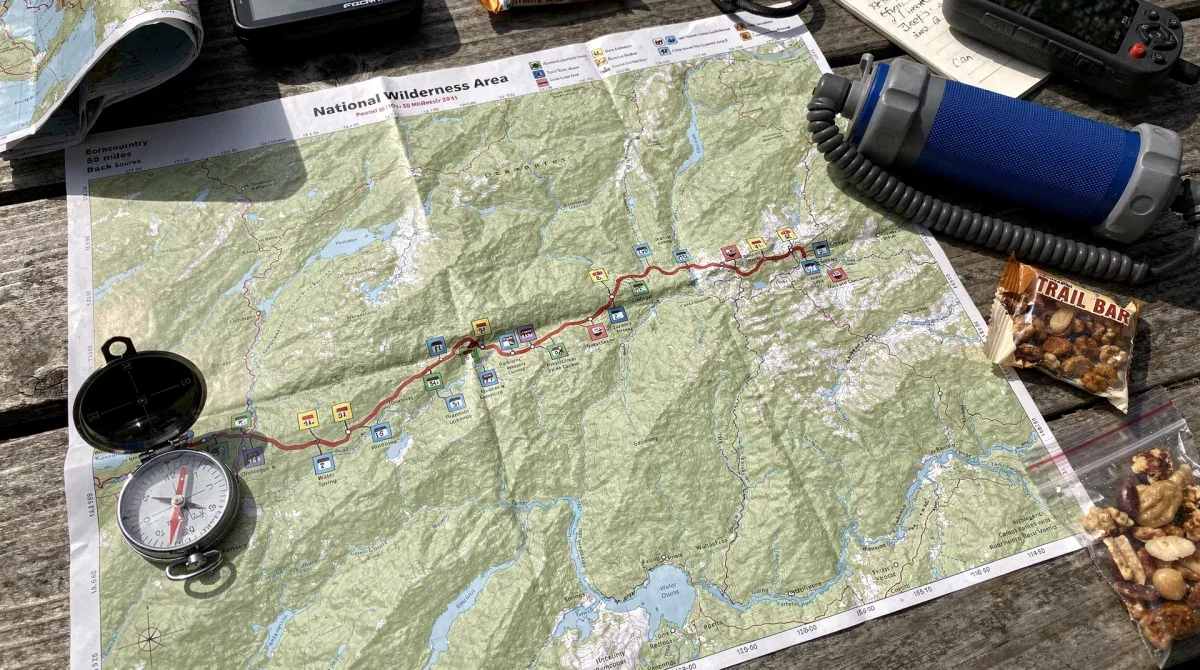
Key gear considerations for extended treks
- Navigation Tools: GPS device with pre-loaded maps, physical map, and compass (and the knowledge to use them all).
- Shelter System: Lightweight tent, tarp, or hammock system appropriate for the expected weather conditions.
- Sleep System: Sleeping bag and pad rated for the lowest anticipated temperatures.
- Water Filtration: Reliable water filter or purification tablets, plus sufficient water carrying capacity (e.g., 2-3 liters).
- Food Supply: Calorie-dense, non-perishable food for the duration of the trip, plus an extra day's supply.
- First-Aid Kit: Comprehensive kit including personal medications, blister treatment, and emergency supplies.
Physical preparation for a 50-mile trek should begin months in advance. Incorporate regular cardio, strength training, and, most importantly, practice hikes with a loaded pack. Gradually increase mileage and elevation gain to simulate trail conditions. Mental preparedness is equally vital; understand the challenges of extended solitude, potential discomfort, and the need for resilience. Discuss potential scenarios and decision-making processes with your group beforehand.
Beyond personal gear, consider group equipment like a satellite communication device for emergencies, a bear canister if required by the wilderness area, and a detailed first-aid kit. Reviewing current weather forecasts, trail conditions, and any specific advisories (e.g., fire bans, trail closures) immediately before your trip is also non-negotiable. Being prepared means being adaptable and having the resources to respond to unforeseen circumstances.
In summary, successful completion of a 50-mile backcountry trek goes hand-in-hand with meticulous gear planning and rigorous preparation. By equipping yourself with the right tools and training your body and mind, you ensure not only a safer journey but also a more profound and enjoyable immersion in the wild landscapes you've worked so hard to access.
On-Trail Etiquette and Permit Compliance
Once your 2026 wilderness permit is secured and your gear is packed, the final, crucial element of a successful 50-mile backcountry trek is strict adherence to on-trail etiquette and permit compliance. These practices are not merely suggestions; they are fundamental to preserving the wilderness for future generations and ensuring a harmonious experience for all users. Violations can lead to fines, permit revocation, and even bans from future wilderness access.
The core principle guiding on-trail behavior is Leave No Trace. This philosophy encompasses seven key principles designed to minimize human impact: plan ahead and prepare, travel and camp on durable surfaces, dispose of waste properly, leave what you find, minimize campfire impacts, respect wildlife, and be considerate of other visitors. For a 50-mile trek, where you are traversing diverse and potentially fragile environments, these principles become even more critical.
Key aspects of permit and wilderness compliance
- Carry Your Permit: Always have your physical or digital permit readily accessible, as rangers conduct frequent checks.
- Adhere to Itinerary: Stick to your approved entry/exit dates and designated campsites. Deviations without prior approval can be considered violations.
- Group Size Limits: Ensure your group size never exceeds the maximum specified on your permit, even if temporary visitors join.
- Waste Management: Pack out all trash, including food scraps. Properly dispose of human waste at least 200 feet from water sources, trails, and campsites.
- Food Storage: Use bear canisters or employ proper bear bagging techniques where required, protecting both your food and wildlife.
Beyond these explicit rules, general trail etiquette enhances the experience for everyone. Yield to uphill hikers, keep noise levels down, and respect the solitude that many seek in the backcountry. When encountering wildlife, observe from a distance and never feed animals. Understanding and respecting the local regulations for fires, pets, and drones is also essential, as these vary significantly between wilderness areas.
It's important to remember that permit compliance extends beyond simply having the document. It means embodying the spirit of wilderness preservation throughout your entire journey. Rangers are not just checking permits; they are observing behavior and ensuring that visitors are acting as responsible stewards of these precious lands. Your actions reflect on the entire backcountry community.
In conclusion, on-trail etiquette and unwavering permit compliance are indispensable components of any 50-mile backcountry trek. By embracing Leave No Trace principles and respecting all regulations, you contribute directly to the long-term health of our wilderness areas and ensure that your adventure, and those of others, remains positive and sustainable.
Post-Trek Responsibilities and Future Planning
Completing a 50-mile backcountry trek is a significant accomplishment, but your responsibilities don't end when you exit the wilderness. Post-trek actions, including reporting your return and providing feedback, are crucial for the ongoing management of the 2026 National Wilderness Permit System and for planning your future adventures. These steps contribute to the collective knowledge base that helps agencies refine their processes and protect these invaluable resources.
Many wilderness areas require permit holders to check out upon completion of their trip. This often involves a quick online form, a phone call, or a physical sign-out sheet at the trailhead. Reporting your return is vital for search and rescue operations, as it signals that you are safely out of the backcountry and prevents unnecessary deployment of resources. It also provides valuable data on actual trail usage, which informs future quota allocations and management decisions.
Contributing to wilderness preservation
- Report Trail Conditions: Share observations on trail damage, fallen trees, or unusual wildlife encounters with the managing agency.
- Provide Feedback: Offer constructive criticism or praise regarding the permit system, trail maintenance, or ranger interactions.
- Share Your Experience: Inspire others responsibly by sharing your trek stories, emphasizing Leave No Trace principles and permit requirements.
Beyond official reporting, consider reflecting on your experience. What went well? What could have been improved? This personal debriefing is invaluable for planning future 50-mile treks. Evaluate your gear choices, food strategy, physical conditioning, and navigation skills. Identifying areas for improvement will make subsequent adventures even more enjoyable and safer. Keep a log of your trips, noting specific trail conditions, water sources, and campsite quality.
For future planning, stay informed about any updates to the 2026 National Wilderness Permit System or new regulations for 2027 and beyond. Wilderness management is dynamic, and rules can change based on environmental factors, visitor impact, and policy shifts. Subscribing to park newsletters or following official social media channels can keep you abreast of these developments. Consider exploring new wilderness areas or more challenging routes as your experience grows, always adhering to the permit system.
In conclusion, your engagement with the wilderness permit system extends beyond the physical trek itself. By fulfilling your post-trek responsibilities, you become an active participant in wilderness stewardship. This not only aids in the preservation of these magnificent landscapes but also refines your own approach to backcountry travel, paving the way for countless more meaningful 50-mile adventures.
| Key Point | Brief Description |
|---|---|
| Permit System Basics | Understand 2026 regulations, quotas, and managing agencies for 50-mile treks. |
| Destination & Itinerary | Select suitable wilderness areas and craft a detailed, compliant 50-mile trek plan. |
| Application Strategy | Master timelines, lotteries, and backup plans for competitive permit acquisition. |
| Gear & Etiquette | Prepare essential gear, train, and adhere to Leave No Trace principles and permit rules. |
Frequently Asked Questions About 2026 Wilderness Permits
What are the key changes to the National Wilderness Permit System for 2026?▼For 2026, many wilderness areas may implement updated quota allocations, revised application timelines, and increased reliance on digital-first application processes. These changes aim to better manage visitor impact and streamline permit acquisition, especially for popular 50-mile backcountry treks. Always check specific park or forest websites for the most current information.
How far in advance should I apply for a 50-mile backcountry permit?▼For highly sought-after 50-mile treks in popular wilderness areas, you should plan to apply as soon as the application window opens, often 3-6 months, or even up to a year, in advance. Lottery systems require early submission, and competitive dates fill instantly. Research specific park timelines rigorously.
What information do I need to prepare for my permit application?▼You'll need proposed entry/exit dates and trailheads, a detailed daily itinerary with planned campsites, accurate group size, emergency contact information, and sometimes vehicle details. Having backup dates and alternative routes ready is also highly recommended to increase your chances of securing a permit.
Can I modify my 2026 wilderness permit after it's been approved?▼Permit modification policies vary by wilderness area and agency. Minor changes, like group member names, might be allowed. Major changes, such as dates or entry points, often require submitting a new application or may be subject to availability and fees. Always contact the managing agency directly to inquire about specific modification rules.
What happens if I don't secure a permit for my desired 50-mile trek?▼If your initial application is unsuccessful, consider applying for less popular trailheads, mid-week dates, or shoulder seasons. Many parks also offer a limited number of walk-up permits, though these are highly competitive. Alternatively, explore other wilderness areas or plan a different type of adventure that doesn't require such a permit.
Conclusion
Mastering the 2026 National Wilderness Permit System: A Step-by-Step Guide for 50-Mile Backcountry Treks is an endeavor that combines careful planning, strategic application, and unwavering respect for the wilderness. By understanding the evolving regulations, meticulously planning your itinerary, preparing thoroughly with the right gear, and adhering strictly to on-trail etiquette, you not only maximize your chances of securing a permit but also ensure a safe, responsible, and incredibly rewarding adventure. These steps are essential for preserving the pristine beauty of America's wild spaces for generations to come, allowing countless others to experience the profound solitude and challenge of a multi-day backcountry journey.
