Mastering the 72-Hour Micro-Vacation: Your Weekend Escape Guide
Mastering the 72-hour micro-vacation involves strategic planning, efficient packing, and smart time management to transform a regular weekend into a refreshing and memorable escape, maximizing every moment from Friday evening to Sunday night.
Are you yearning for an escape but constrained by time? The concept of a 72-hour micro-vacation offers a powerful solution, transforming a typical Friday-to-Sunday window into a rejuvenating adventure. This guide will walk you through the precise logistics needed to achieve seamless, stress-free weekend trips that feel like much longer getaways.
The allure of the micro-vacation: Why shorter is sweeter
In a world where time is a premium, the idea of a micro-vacation has gained immense popularity. It’s not just about fitting travel into a busy schedule; it’s about optimizing every moment to achieve maximum relaxation and exploration without the usual burdens of extended trips. These brief escapes offer a perfect antidote to daily routines, providing mental breaks and refreshing perspectives.
The beauty of a 72-hour trip lies in its accessibility and manageability. You don’t need to save up for months, request extensive time off, or coordinate complex itineraries. It’s a spontaneous burst of adventure that revitalizes your spirit and keeps the travel bug satisfied. Moreover, shorter trips often mean less stress about work piling up or pet care arrangements, making them an ideal choice for many.
Benefits of short-duration travel
- Reduced planning complexity: Less time means fewer variables, simplifying accommodation, activity, and dining choices.
- Cost-effectiveness: Shorter stays naturally lead to lower expenses on lodging, transportation, and food, making travel more affordable.
- Minimal disruption to routines: You can often maintain work and home responsibilities with little interruption, returning refreshed for the week ahead.
- Higher frequency of trips: The ease and affordability allow for more frequent getaways throughout the year, keeping spirits high.
Embracing the micro-vacation philosophy allows you to view weekends not just as recovery periods, but as opportunities for meaningful experiences. It encourages a mindset of intentional living, where even a short break can have a profound impact on your well-being. By focusing on quality over quantity, these brief adventures deliver significant returns on your investment of time and energy.
Ultimately, the appeal of the micro-vacation stems from its ability to deliver genuine respite and joy within a compact timeframe. It proves that you don't need weeks to feel like you've truly gotten away, but rather a focused approach to making the most of every precious hour.
Strategic planning: Laying the groundwork for success
Effective planning is the backbone of any successful 72-hour micro-vacation. Without a solid strategy, your precious weekend can quickly devolve into a series of rushed decisions and missed opportunities. The key is to be proactive, thinking through essential elements well in advance, even if it’s just a week or two before your departure.
Start by defining your primary goal for the trip. Are you seeking relaxation, adventure, cultural immersion, or simply a change of scenery? This clarity will guide all subsequent decisions, from destination choice to activity selection, ensuring your weekend aligns with your desired outcome. Remember, for a short trip, less is often more. Don't try to cram too much into 72 hours.
Choosing your destination wisely
- Proximity: Select a location reachable within a few hours of travel, minimizing time spent in transit.
- Interests: Opt for a destination that offers activities aligning with your primary goal, whether it's hiking trails, a vibrant city center, or a quiet beach.
- Logistics: Consider ease of access, public transport options, and availability of accommodations that fit your budget and style.
Once you have a destination in mind, research transportation and accommodation options. Booking flights, train tickets, or rental cars in advance often secures better prices and ensures availability. For lodging, explore boutique hotels, charming B&Bs, or unique Airbnb rentals that enhance the local experience. Always check cancellation policies, just in case.
Crafting a loose itinerary is also crucial, but maintain flexibility. Identify a few must-do activities or sights, but leave room for spontaneity. Over-scheduling can lead to stress, defeating the purpose of a relaxing getaway. Think about booking popular restaurants or attractions that require reservations, especially during peak seasons, to avoid disappointment. A well-planned micro-vacation feels effortless precisely because the groundwork was laid meticulously.
Packing smart: Maximizing space and minimizing hassle
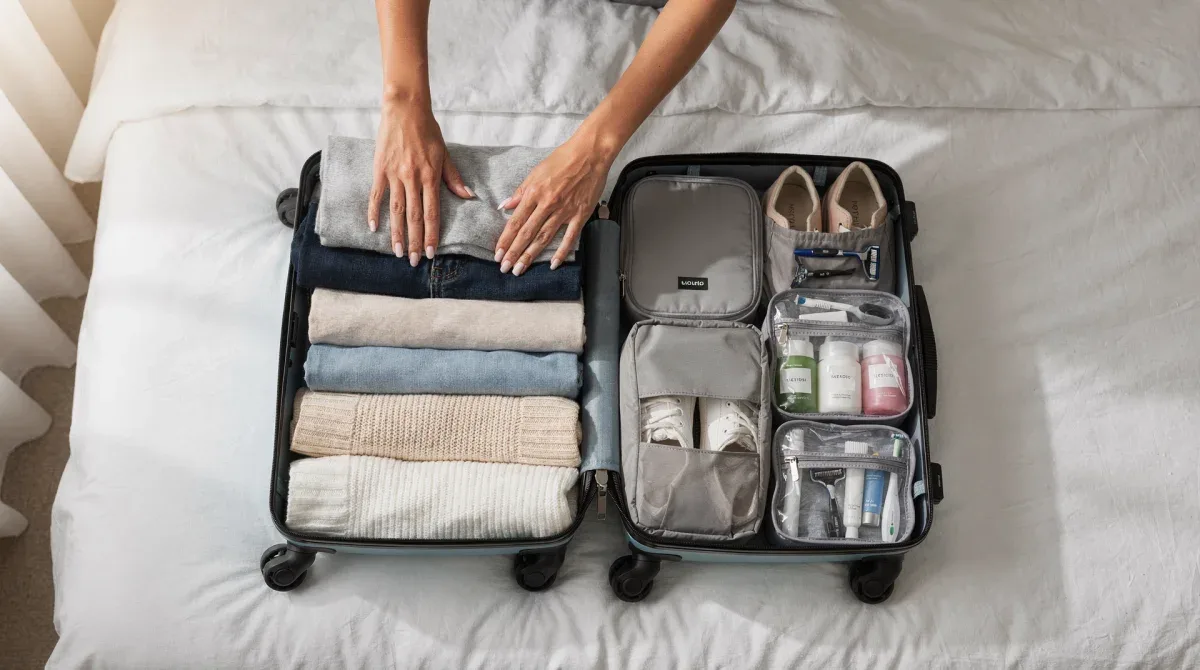
Packing for a 72-hour micro-vacation is an art form. The goal is to bring everything you need without overpacking, which can lead to unnecessary baggage fees, wasted time at luggage carousels, and general inconvenience. The less you carry, the more agile and free you'll feel, allowing you to fully immerse yourself in your destination.
Start by creating a detailed packing list a few days before your trip. This helps you visualize what you'll need and prevents last-minute scrambling or forgotten essentials. Consider the weather at your destination and plan versatile outfits that can be mixed and matched. Layers are always a good idea, as they adapt to changing temperatures.
Essential packing strategies
- The 'carry-on only' rule: Aim to fit everything into a small carry-on bag to save time and avoid checked baggage fees.
- Roll, don't fold: Rolling clothes tightly minimizes wrinkles and maximizes space in your suitcase.
- Travel-sized toiletries: Decant liquids into small, TSA-approved containers or purchase travel-sized versions to save space and comply with airline regulations.\
- Multi-functional items: Pack clothing that can serve multiple purposes, like a scarf that doubles as a shawl or a versatile pair of shoes.
Don't forget personal items like medications, chargers for your electronics, and any specific gear for planned activities (e.g., hiking shoes, swimwear). A small first-aid kit with basic essentials can also be a lifesaver. Remember to pack any important documents – ID, boarding passes, reservation confirmations – in an easily accessible place.
When it comes to technology, consider if you truly need all your gadgets. A smartphone is often sufficient for navigation, photos, and entertainment. A portable power bank can be invaluable for keeping devices charged on the go. By focusing on essentials and employing smart packing techniques, you'll find that packing for your 72-hour micro-vacation becomes a quick and efficient process, setting the tone for a smooth trip.
Transportation tactics: Seamless journeys from door to destination
For a 72-hour micro-vacation, efficient transportation is paramount. Every minute spent in transit is a minute not spent enjoying your getaway. The aim is to minimize travel time and maximize comfort, ensuring you arrive at your destination refreshed and ready to explore. This involves careful consideration of modes of transport and strategic timing.

If flying, opt for direct flights whenever possible, even if they're slightly more expensive. The time saved from avoiding layovers is invaluable on a short trip. Consider flying out early on Friday and returning late on Sunday to squeeze every possible hour out of your vacation. For road trips, plan your route to avoid peak traffic times, using navigation apps that offer real-time traffic updates.
Optimizing your travel choices
- Public transportation: Research local public transport options at your destination. Subways, buses, and trams can be efficient and cost-effective ways to get around, especially in urban areas.\
- Ride-sharing and taxis: For shorter distances or when time is critical, ride-sharing services or taxis offer convenience. Pre-booking can sometimes save money and guarantee availability.\
- Walking and biking: If your destination is walkable or bike-friendly, embrace these options. They offer a great way to experience the local atmosphere and get some exercise.
When traveling by train or bus, select routes that offer scenic views, making the journey part of the experience. Booking seats in advance can ensure comfort and space. Always account for potential delays, especially if you have tight connections or scheduled activities upon arrival. Having a backup plan, even for minor hiccups, can prevent stress.
Pre-arranging airport transfers or knowing how to get from the train station to your accommodation can save significant time and confusion. Many hotels offer shuttle services, or you can pre-book a taxi. The less you have to figure out on the spot, the more relaxed your arrival will be. A smooth journey sets the perfect tone for an enjoyable micro-vacation.
Accommodation choices: Finding your perfect weekend haven
Selecting the right accommodation is critical for a successful 72-hour micro-vacation. Your lodging isn't just a place to sleep; it's a base for your adventures, a sanctuary for relaxation, and often a key part of your overall experience. The ideal choice balances comfort, location, amenities, and budget, all while enhancing your short getaway.
For a quick trip, proximity to attractions or easy access to public transportation is often more important than expansive resort facilities you might not have time to use. Consider what kind of atmosphere you prefer: a bustling city hotel, a cozy countryside inn, or a unique rental with local charm. Read recent reviews to get an accurate picture of the property and its services.
Types of accommodation for short trips
- Boutique hotels: Often offer unique character, personalized service, and stylish design, perfect for a special weekend.
- Vacation rentals (Airbnb, Vrbo): Provide a home-away-from-home feel, offering more space and flexibility, especially if you plan to do some cooking.\
- Budget-friendly options: Hostels or guesthouses can be excellent choices if you're looking to save money, particularly if you're spending most of your time exploring.
Before booking, check for amenities that are important to you. Do you need Wi-Fi, breakfast included, or a comfortable workspace? For a short trip, a comfortable bed and a clean bathroom are often the top priorities. If you plan to arrive late on Friday or depart early on Sunday, confirm check-in/check-out times and any luggage storage options.
Don't overlook the potential for unique accommodations that add to the adventure. Glamping sites, treehouses, or even houseboats can transform a simple weekend into an unforgettable experience. These distinct options often require booking further in advance due to their popularity. Ultimately, your accommodation should serve as a comfortable and convenient hub from which to launch your weekend explorations, making your 72-hour micro-vacation feel like a true escape.
Maximizing your 72 hours: Itinerary tips and tricks
With only 72 hours, strategic time management becomes your best friend. Every moment counts, but that doesn't mean every moment needs to be filled with activity. The goal is to create a balanced itinerary that allows for both exploration and genuine relaxation, ensuring you return home feeling rejuvenated, not exhausted.
Begin with your arrival. If you land on Friday evening, plan a relaxed dinner or a casual stroll to get acquainted with your surroundings. Save the more intensive activities for Saturday, your only full day. On Sunday, consider a leisurely breakfast, a final attraction, and then allocate ample time for a stress-free journey home.
Crafting your weekend schedule
- Prioritize: Identify 1-2 'must-do' activities per day and build your schedule around them.
- Group activities by location: Minimize travel time by visiting attractions that are geographically close to each other.\
- Build in downtime: Schedule breaks for coffee, people-watching, or simply relaxing at your accommodation.
- Embrace spontaneity: While a plan is good, be open to impromptu discoveries or local recommendations.
Consider booking tickets for popular attractions online in advance to skip long lines. This can save hours during peak times. Also, research local dining options beforehand. Having a few restaurant ideas can prevent last-minute indecision and ensure you experience the local cuisine without a fuss. Don't be afraid to try a quick, casual meal to save time for other activities.
For Saturday, consider an early start to make the most of the day. If you enjoy cultural experiences, perhaps a museum visit in the morning, followed by a local market in the afternoon. Evenings can be dedicated to a nice dinner, a show, or simply enjoying the nightlife. On Sunday, a brunch followed by a final walk or souvenir shopping can be a perfect end. The key is to be intentional with your time, allowing for both adventure and moments of peace.
Unexpected challenges and contingency planning
Even the most meticulously planned 72-hour micro-vacation can encounter unforeseen bumps. Weather changes, unexpected closures, or minor health issues can disrupt your plans. The mark of a seasoned micro-vacationer is not avoiding these challenges entirely, but having a strategy to navigate them gracefully, minimizing stress and preserving the enjoyment of your trip.
Before you depart, consider purchasing travel insurance, especially if your trip involves flights or non-refundable bookings. For short domestic trips, checking your existing health insurance for out-of-network coverage is wise. Always carry a small amount of emergency cash in addition to your cards, as some smaller establishments may only accept cash.
Preparing for the unexpected
- Weather watch: Check the forecast frequently and pack accordingly, including rain gear if necessary. Have indoor backup activities planned.\
- Flexibility in itinerary: While having a plan is good, be prepared to pivot. If an attraction is unexpectedly closed, have a secondary option in mind.\
- Emergency contacts: Keep a list of important phone numbers, including your accommodation, credit card companies, and local emergency services.\
- Digital backups: Store copies of important documents (ID, reservations) on your phone or in a cloud service.
Minor health issues can derail a trip quickly. Pack a small personal first-aid kit with pain relievers, band-aids, antiseptic wipes, and any personal medications. Know the location of nearby pharmacies or urgent care clinics at your destination. Staying hydrated and getting enough rest are also crucial for preventing illness.
Lastly, have a communication plan. Inform a trusted friend or family member of your itinerary and expected return time. Ensure your phone is fully charged before heading out each day, and consider a portable charger. By anticipating potential issues and having contingency plans in place, you can face unexpected challenges with confidence, ensuring your 72-hour micro-vacation remains a source of joy, not stress.

| Key Point | Brief Description |
|---|---|
| Strategic Planning | Define trip goals, choose a proximate destination, and book essentials like transport and accommodation in advance. |
| Smart Packing | Utilize carry-on only, roll clothes, use travel-sized toiletries, and pack versatile, multi-functional items. |
| Efficient Logistics | Optimize travel with direct routes, pre-booked transfers, and strategic timing to maximize time at destination. |
| Contingency Planning | Prepare for unforeseen issues with travel insurance, flexible plans, emergency contacts, and a basic first-aid kit. |
Frequently asked questions about micro-vacations
What is a 72-hour micro-vacation?▼A 72-hour micro-vacation is a short, strategic getaway typically spanning from Friday evening to Sunday night. It focuses on maximizing a brief period for relaxation, exploration, or adventure, offering a quick escape without requiring extensive time off work or complex planning. The goal is to return refreshed and rejuvenated.
How can I choose the best destination for a short trip?▼Choose a destination that's easily accessible within a few hours of travel to minimize transit time. Consider locations that align with your primary goal, whether it's a bustling city for culture, a coastal town for relaxation, or a hiking spot for adventure. Proximity and interest are key factors for a successful micro-vacation.
What are the best packing tips for a 72-hour trip?▼Focus on a carry-on only approach. Roll your clothes to save space, use travel-sized toiletries, and pack versatile outfits that can be mixed and matched. Don't forget essential medications and chargers. A well-curated packing list prevents overpacking and ensures you have everything you need without excess.
How do I maximize my time during a micro-vacation?▼Prioritize 1-2 key activities per day and group them by location to minimize travel. Book popular attractions or restaurants in advance to save time. Incorporate downtime for relaxation and be open to spontaneous discoveries. An early start on Saturday and a relaxed Sunday departure can significantly enhance your experience.
Is travel insurance necessary for a short trip?▼While often overlooked for short domestic trips, travel insurance can be beneficial, especially if flights or non-refundable bookings are involved. It provides protection against unexpected cancellations, delays, or medical emergencies, offering peace of mind. For international micro-vacations, it's highly recommended to have coverage.
Conclusion
Mastering the 72-hour micro-vacation is an accessible and rewarding way to infuse your life with adventure and relaxation without the commitment of extended travel. By embracing strategic planning, efficient packing, smart logistical choices, and a flexible mindset, you can transform ordinary weekends into extraordinary escapes. These short, impactful journeys prove that significant rejuvenation doesn't require weeks away; it simply demands intentionality and a willingness to explore. So, start planning your next Friday-to-Sunday adventure and discover the immense joy a perfectly executed micro-vacation can bring.
