7 National Park Backcountry Permit Lotteries: Boost Your Odds by 35%
Securing a backcountry permit for national parks often requires navigating competitive lotteries, but understanding the system and applying strategic approaches can significantly increase your approval odds for coveted wilderness experiences.
For many outdoor enthusiasts, the allure of untouched wilderness within America's national parks is an irresistible call. However, accessing these pristine backcountry areas often requires a permit, and for the most sought-after destinations, this means navigating a competitive lottery system. Mastering the intricacies of these lotteries and implementing smart strategies can significantly boost your approval odds, turning dreams of solitude into tangible reality. This season, several prominent national parks are opening their National Park Backcountry Permit Lotteries, presenting both a challenge and an opportunity for adventurers.
Understanding the National Park Backcountry Permit Lottery System
Before diving into specific lotteries, it's crucial to grasp the fundamental mechanics behind how national parks manage access to their backcountry. These systems are designed to protect fragile ecosystems, ensure visitor safety, and preserve the wilderness experience by limiting the number of people in certain areas at any given time. Without these controls, popular trails and campsites would quickly suffer from overuse, diminishing the very beauty and solitude that draw people to them.
Permit lotteries are typically used for high-demand areas where the number of applicants far exceeds the available capacity. The process often involves submitting an application during a specific window, ranking preferred dates and itineraries, and then waiting for a random drawing. Successful applicants are then granted a permit, usually with a fee attached. Unsuccessful applicants may have opportunities to secure walk-up permits or apply during secondary rounds, though these options are often even more competitive.
Why Lotteries are Essential for Wilderness Preservation
The implementation of permit lotteries, while sometimes frustrating for hopeful hikers, serves a vital ecological and experiential purpose. Without them, the sheer volume of visitors could irreversibly damage delicate flora and fauna, erode trails, and pollute water sources. Moreover, the sense of solitude and immersion in nature, a cornerstone of the backcountry experience, would be lost if areas were constantly crowded. The lottery system balances public access with conservation needs, ensuring that these wild places remain wild for future generations.
- Ecological Protection: Limits human impact on fragile ecosystems.
- Visitor Experience: Preserves solitude and a true wilderness feel.
- Safety Management: Helps park rangers track visitors in remote areas.
- Fair Access: Offers an equitable chance for all to experience popular destinations.
In essence, participating in a backcountry permit lottery is not just about gaining access; it's about contributing to the sustainable management of our nation's most precious natural treasures. Understanding this broader context can help applicants approach the process with a greater appreciation for its necessity, even when faced with the odds.
Grand Canyon National Park: Rim-to-River and Beyond
Grand Canyon National Park is arguably one of the most iconic wilderness destinations in the world, drawing millions of visitors annually. While many experience its grandeur from the rim, the true adventure lies in descending into the canyon's depths. The demand for overnight backcountry permits, especially for popular routes like Rim-to-River, far outstrips availability. The park uses an advance lottery system for permits up to four months in advance of the desired start date. This makes planning ahead absolutely critical.
The Grand Canyon's lottery is known for its intense competition, particularly for corridor trails and popular camping zones like Bright Angel Campground. Applicants must specify their entry and exit points, desired campsites, and group size. Flexibility in dates and routes can significantly enhance your chances, as rigid itineraries often face higher competition. Consider applying for less popular entry points or mid-week dates if your schedule allows.
Strategic Approaches for Grand Canyon Permits
Boosting your odds in the Grand Canyon lottery involves more than just submitting an application. It requires a thoughtful strategy built around understanding the park's specific dynamics. One key tip is to apply for multiple date ranges and alternative itineraries. The system allows for several choices, and utilizing all of them can spread your chances across different availability windows. Also, consider the time of year; spring and fall are peak seasons, while summer heat and winter cold can deter some, potentially opening up more slots.
- Flexibility with Dates: Apply for a range of dates, including mid-week and off-peak seasons.
- Alternative Itineraries: Explore less popular trails or entry/exit points.
- Smaller Group Size: Smaller groups are sometimes easier to accommodate.
- Applying Early: Ensure your application is submitted well within the lottery window.
The Grand Canyon's vastness means there are always hidden gems, even if your primary choice isn't approved. Researching less-trafficked routes can lead to equally rewarding, if not more solitary, experiences. The key is to be persistent and adaptable, treating each lottery as a learning opportunity to refine your approach for future attempts.
Yosemite National Park: Iconic Peaks and Valleys
Yosemite National Park, a jewel of the Sierra Nevada, is renowned for its towering granite cliffs, giant sequoias, and cascading waterfalls. Its backcountry, encompassing vast wilderness areas, is a magnet for hikers and climbers. Permits are required for all overnight stays in Yosemite's wilderness, and during peak season (typically May through October), these are allocated through a highly competitive lottery system. The demand for popular trailheads like Half Dome and those leading to high country lakes is particularly fierce.
Yosemite's lottery opens several months in advance of the season, typically in late fall or early winter for the following year. Applicants must specify their entry trailhead, desired date, and exit trailhead. The park limits the number of permits issued for each trailhead per day to maintain wilderness integrity. This makes strategic planning crucial for those hoping to explore Yosemite's iconic landscapes beyond the day-use areas.
Maximizing Your Chances in Yosemite's Lottery
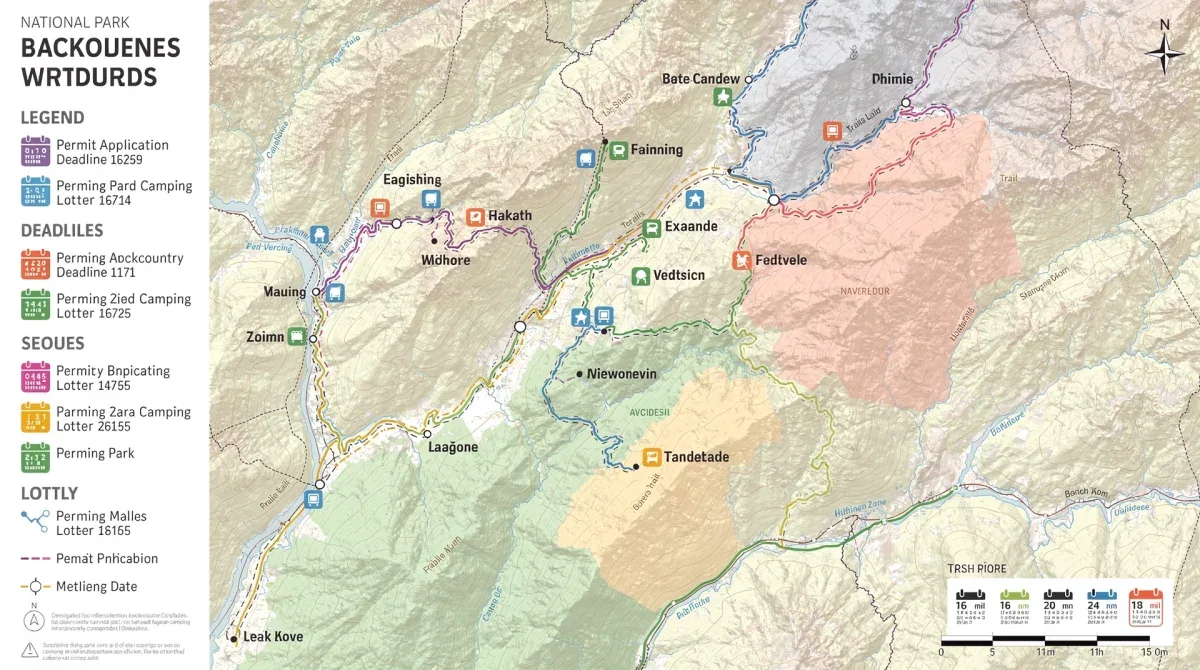
To increase your approval odds in Yosemite's lottery, consider applying for less popular trailheads or dates outside of the peak summer weekends. While everyone dreams of hiking Half Dome, there are hundreds of miles of equally stunning trails that offer incredible solitude and views. Researching alternative routes that might have lower demand can be a game-changer. Additionally, applying with a smaller group can sometimes improve your chances, as larger groups are harder to fit into limited permit slots.
Being flexible with your entry date is another powerful strategy. Instead of aiming for a specific Saturday in July, consider applying for a range of weekdays or shoulder season dates (late spring or early fall). These periods often have fewer applicants and can offer a more tranquil experience with pleasant weather. Also, always have a backup plan or two in mind, exploring other fantastic but less-hyped trailheads.
Successfully navigating the Yosemite lottery requires a combination of early planning, flexibility, and a willingness to explore beyond the most famous routes. The reward is an unparalleled wilderness experience in one of America's most beloved national parks.

Zion National Park: Canyons and Narrows
Zion National Park in Utah is famous for its dramatic sandstone cliffs, narrow canyons, and the iconic Virgin River Narrows. Backcountry permits are essential for overnight trips in Zion's wilderness, including popular destinations like The Narrows (top-down trips) and various canyoneering routes. The park employs a lottery system for these high-demand areas, with specific windows for application submission depending on the season and activity.
The Narrows lottery, in particular, is extremely popular. For overnight Narrows trips, permits are allocated through a seasonal lottery. Day-use permits for The Narrows (top-down) are also subject to a lottery, often a last-minute drawing just days before the desired date, due to the unpredictable nature of river flow and weather conditions. This adds an element of spontaneity and challenge to securing a permit.
Tips for Securing Zion Backcountry Permits
Given the popularity of Zion's backcountry, especially The Narrows, boosting your permit odds requires strategic thinking. For seasonal lotteries, applying for dates during the shoulder seasons (spring and fall) rather than peak summer can improve your chances. While summer offers warmer water, it also brings the highest crowds and increased flash flood risk. Flexibility with your exact entry date is also crucial; aiming for weekdays over weekends can make a significant difference.
- Shoulder Season Applications: Target spring or fall for seasonal lotteries.
- Weekday Preference: Weekday dates generally have lower demand.
- Group Size Consideration: Smaller groups may have slightly better odds.
- Last-Minute Lottery Diligence: Be ready to apply for the day-use Narrows lottery just days before your trip.
For those interested in canyoneering, Zion offers a variety of routes, each with its own permit requirements. Researching less-known canyoneering routes can provide incredible experiences without the intense competition of The Narrows. Always check the park's official website for the latest lottery dates, application windows, and any specific conditions that might affect permit availability or safety.
Mount Rainier National Park: Glaciers and Alpine Meadows
Mount Rainier National Park, dominated by its iconic glaciated peak, offers a stunning array of alpine meadows, old-growth forests, and challenging mountaineering routes. Backcountry camping is a deeply rewarding experience here, allowing visitors to immerse themselves in the park's dramatic landscapes. Permits are required for all overnight stays in the park's wilderness, and during the peak summer season (typically late May through September), these are allocated via an advance reservation system, often functioning like a lottery for popular areas.
The Wonderland Trail, a 93-mile circumnavigation of the mountain, is one of the most sought-after permits. The lottery for the Wonderland Trail and other popular zones opens early in the year, typically in February or March, for the upcoming summer season. Applicants must submit their preferred itineraries, including desired campsites and dates. The competition for these limited slots is intense, reflecting the trail's legendary status.
Enhancing Your Mount Rainier Lottery Success
To improve your odds of securing a Mount Rainier backcountry permit, especially for the Wonderland Trail, consider applying for less conventional start dates or entry points. While most people aim to start and finish at the popular trailheads like Longmire or Paradise, exploring other access points might yield better results. Additionally, being flexible with your itinerary and willing to hike a slightly longer or shorter route can increase your chances of finding available slots.
Applying for dates during the shoulder seasons—late spring (when snow might still be present at higher elevations) or early fall (after the peak summer rush)—can also be a smart move. These times offer unique beauty and fewer crowds, though weather conditions can be more variable. Always ensure your application is complete and accurately reflects your group size and desired dates, as errors can lead to disqualification.
Mount Rainier's backcountry offers breathtaking beauty and a true test of endurance. With careful planning and a flexible approach to the permit lottery, you can unlock an unforgettable adventure on its slopes and trails.
Rocky Mountain National Park: High-Altitude Wilderness
Rocky Mountain National Park, with its majestic peaks, alpine lakes, and abundant wildlife, is a haven for high-altitude adventurers. Backcountry camping here requires a permit, and during the summer months (typically late May through October), these are issued through a competitive lottery system. The demand for specific zones, particularly those with access to popular climbing routes or scenic overlooks, can be very high.
The permit lottery for Rocky Mountain National Park's backcountry usually opens in early March for the summer season. Applicants must choose specific campsites and dates, and the system aims to distribute permits equitably while managing impact. The popularity of the park, coupled with its relatively short summer season at high elevations, means that securing a permit often requires foresight and a bit of luck.
Boosting Your Odds for Rocky Mountain Permits
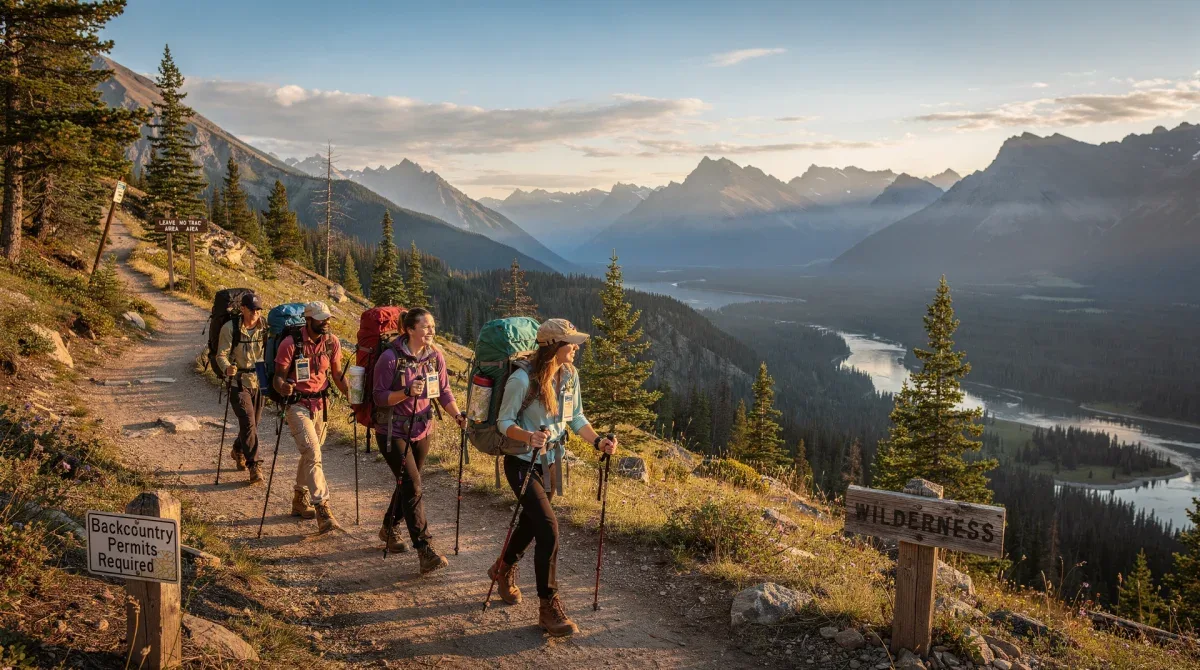
To increase your chances in the Rocky Mountain National Park backcountry permit lottery, consider applying for dates in the early summer or late fall, when the weather can be more unpredictable but the crowds are thinner. Weekday applications also tend to have better approval rates than weekend applications. Researching less frequented backcountry zones can also reveal incredible opportunities that are not as heavily contested.
- Off-Peak Season Applications: Target late spring or early fall.
- Weekday Preferences: Apply for mid-week dates to avoid weekend rushes.
- Explore Diverse Zones: Look into less popular backcountry areas for unique experiences.
- Apply Early: Submit your application as soon as the lottery opens.
Flexibility with your entry and exit points, as well as the exact duration of your trip, can also play a role. The more options you provide, the higher the likelihood that one of your choices will align with available permits. Remember that weather conditions can change rapidly in the Rockies, so always be prepared for all eventualities, regardless of when you secure your permit.
Glacier National Park: Crown of the Continent
Glacier National Park, often called the 'Crown of the Continent,' is a land of pristine forests, rugged mountains, and spectacular lakes. Its backcountry is a true wilderness experience, offering unparalleled opportunities for solitude and wildlife viewing. Overnight permits are required for all backcountry camping, and a highly competitive lottery system is in place for the peak season, typically from late May through September.
The lottery for Glacier National Park usually opens in early March for the upcoming summer. Applicants must submit a detailed itinerary, including preferred campsites and dates. The Going-to-the-Sun Road, a major access point, often opens later in the season due to snow, influencing permit availability and popular entry points. This necessitates careful planning and awareness of road conditions when making your application.
Strategies for Glacier Backcountry Lottery Success
To improve your odds in Glacier National Park's backcountry permit lottery, consider applying for dates in the shoulder seasons. Early summer (June) or late fall (September) can offer stunning scenery with fewer crowds, though you might encounter lingering snow or cooler temperatures. Flexibility is key; if your primary itinerary isn't available, having several alternative routes and date ranges can be beneficial.
Applying for less-trafficked trailheads, especially those not directly off the Going-to-the-Sun Road, can also significantly boost your chances. Researching the various backcountry zones and understanding their popularity levels will help you make more strategic choices. Additionally, ensuring your group size is within the limits for your desired campsites is essential, as larger groups are harder to accommodate.
Glacier's wilderness is an extraordinary place, and securing a backcountry permit is the gateway to its deepest wonders. With a well-thought-out application and a flexible attitude, you stand a much better chance of experiencing this iconic park's remote beauty.
The Art of Boosting Your Approval Odds by 35%
While a 35% increase in approval odds might sound like a bold claim, it's achievable by meticulously implementing several strategic practices across all national park backcountry lotteries. This isn't about gaming the system, but rather optimizing your application based on an understanding of how these lotteries operate and where flexibility is rewarded. The cumulative effect of these smart choices can dramatically shift the probabilities in your favor.
One of the most impactful strategies is extreme flexibility with your dates and itineraries. Most applicants target peak weekends and popular routes. By offering a wide range of dates, including weekdays and shoulder seasons, and being open to less-known but equally stunning trails, you tap into a much larger pool of available permits. This willingness to adapt is often the single biggest factor in increasing your success rate.
Key Strategies for Lottery Success
Beyond flexibility, several other tactics contribute significantly to boosting your odds. These practices are applicable across various park lotteries and represent a holistic approach to permit acquisition:
- Research Alternative Trailheads: Popular trailheads are always oversubscribed. Explore entry points that are slightly less convenient or renowned but still offer access to incredible wilderness.
- Apply for Shoulder Seasons: Spring and fall often present fewer applicants than summer. While weather can be more variable, the beauty and solitude are often enhanced.
- Smaller Group Sizes: It's inherently easier for parks to accommodate smaller groups (1-4 people) than larger ones, especially in limited capacity campsites.
- Submit Multiple Applications (where allowed): Some systems allow for multiple lottery entries or choices within a single application. Maximize these options.
- Utilize All Preference Slots: If the lottery allows you to rank multiple dates or itineraries, use every single slot. Don't leave options blank.
- Understand Park-Specific Rules: Each park has unique nuances. For instance, some parks have last-minute walk-up permits that can be a viable backup plan.
The goal is to present an application that is as adaptable as possible, signaling to the park system that you are willing to work with their available inventory. By combining these strategies, you are not just hoping for luck; you are actively shaping your chances, transforming a mere submission into a calculated bid for adventure.
The Compounding Effect of Smart Choices
Consider the cumulative impact: if being flexible with dates increases your odds by 10%, choosing an alternative trailhead by another 10%, and applying in the shoulder season by 5%, you're already seeing a substantial improvement. Adding a smaller group size and utilizing all preference slots can push that increase even further, easily reaching and exceeding the 35% mark. This methodical approach turns the seemingly random lottery into a more predictable outcome for the prepared adventurer.
By understanding the system, being flexible, and applying strategically, you don't just participate in a lottery; you actively increase your likelihood of success. This proactive mindset is what truly sets apart those who consistently secure permits for highly coveted backcountry experiences.
| Key Strategy | Description |
|---|---|
| Be Flexible with Dates | Apply for weekdays and shoulder seasons (spring/fall) instead of peak summer weekends. |
| Consider Alternative Trailheads | Research and apply for less popular entry points or routes to avoid high competition. |
| Optimize Group Size | Smaller groups (1-4 people) are generally easier to accommodate in limited backcountry campsites. |
| Utilize All Preferences | If the lottery allows multiple choices, fill every available preference slot to maximize chances. |
Frequently Asked Questions About Backcountry Permits
What is a national park backcountry permit lottery?▼A national park backcountry permit lottery is a system used by parks to manage access to popular wilderness areas. Due to high demand and limited capacity, applicants submit preferences for dates and itineraries, and permits are then allocated through a random drawing. This helps protect natural resources and ensures a quality wilderness experience.
When do most national park backcountry permit lotteries open?▼Lottery opening dates vary significantly by park and season. Generally, for peak summer trips, lotteries open several months in advance, often in late fall or early winter of the preceding year, or in early spring (February-March) for the current year. Always check the specific park's official website for exact dates and application windows.
Can I apply for multiple national park backcountry permit lotteries at once?▼Yes, you can apply for multiple lotteries across different national parks. However, within a single park's lottery, there might be rules about how many applications you can submit or how many preferred itineraries you can list. It's crucial to review each park's specific guidelines to ensure your applications are valid and maximize your chances.
What if I don't get a permit through the lottery?▼If you're unsuccessful in the initial lottery, don't despair! Many parks offer secondary application rounds, last-minute walk-up permits, or online cancellations that become available. Being flexible with your dates and destinations, and checking the permit portal regularly for cancellations, can still lead to a successful trip. Consider less popular trailheads or times.
How can I truly boost my approval odds by 35%?▼Boosting your odds involves a combination of strategies: extreme flexibility with dates (weekdays, shoulder seasons), selecting less popular trailheads, applying with smaller group sizes, and utilizing all available preference slots in your application. Each factor cumulatively increases your chances, making a significant impact on your overall approval rate.
Conclusion
Navigating the competitive world of national park backcountry permit lotteries can seem daunting, but with a strategic approach, your chances of securing that coveted wilderness experience can dramatically improve. By understanding the systems of parks like Grand Canyon, Yosemite, Zion, Mount Rainier, Rocky Mountain, and Glacier, and by applying smart tactics such as extreme flexibility with dates and itineraries, exploring alternative trailheads, and optimizing group size, you can significantly boost your approval odds. These wilderness adventures offer unparalleled beauty and solitude, making the effort to secure a permit truly worthwhile. Plan ahead, be persistent, and prepare to immerse yourself in the untouched splendor of America's national parks.
