Mastering 2026 National Park Timed-Entry Reservations
Securing high-demand National Park vehicle reservations six months in advance is essential for mastering the 2026 timed-entry system, ensuring access to America's most popular natural wonders.
Planning a trip to one of America's breathtaking National Parks in 2026? Then understanding and navigating the new National Park Timed-Entry system is not just recommended, it's absolutely critical. This guide will equip you with the knowledge and strategies to secure those coveted vehicle reservations, often available six months in advance, transforming potential frustration into a seamless, unforgettable adventure.
Understanding the 2026 Timed-Entry System Evolution
The National Park Service (NPS) continues to refine its timed-entry system, a necessary evolution to manage unprecedented visitor numbers and protect delicate ecosystems. For 2026, this system is more entrenched than ever, impacting access to many of the most popular parks. It's no longer just an option but a prerequisite for entry during peak seasons and at specific times.
The core philosophy behind timed entry remains consistent: to distribute visitors more evenly throughout the day, reduce traffic congestion, and enhance the overall visitor experience. This proactive approach helps preserve the natural integrity of these cherished landscapes while still allowing millions to enjoy their beauty. Ignoring this system can lead to disappointment at the park entrance.
Why timed entry is essential for popular parks
Many iconic parks, such as Yosemite, Zion, Glacier, and Rocky Mountain, have seen their popularity skyrocket. This surge, while wonderful for appreciation of nature, places immense strain on infrastructure, parking, and natural resources. Timed entry directly addresses these challenges.
- Reduces congestion: Fewer vehicles entering at once means smoother traffic flow and less time spent in lines.
- Enhances experience: Visitors can enjoy trails and viewpoints with fewer crowds, leading to a more peaceful and immersive experience.
- Protects resources: Limiting daily entries helps mitigate human impact on fragile environments and wildlife.
Understanding these underlying reasons can help visitors appreciate the system, rather than view it as an obstacle. It's a collective effort to sustain these natural treasures for future generations. The 2026 system builds on past iterations, making it more robust and, in some cases, more competitive for securing spots.
Staying informed about which parks will implement timed entry in 2026 is the first step. The NPS website is the authoritative source for this information, often updated in late fall or early winter of the preceding year. Always check the specific park's official page before making any travel plans, as rules can vary significantly between parks.
The Six-Month Reservation Window: Your Golden Opportunity
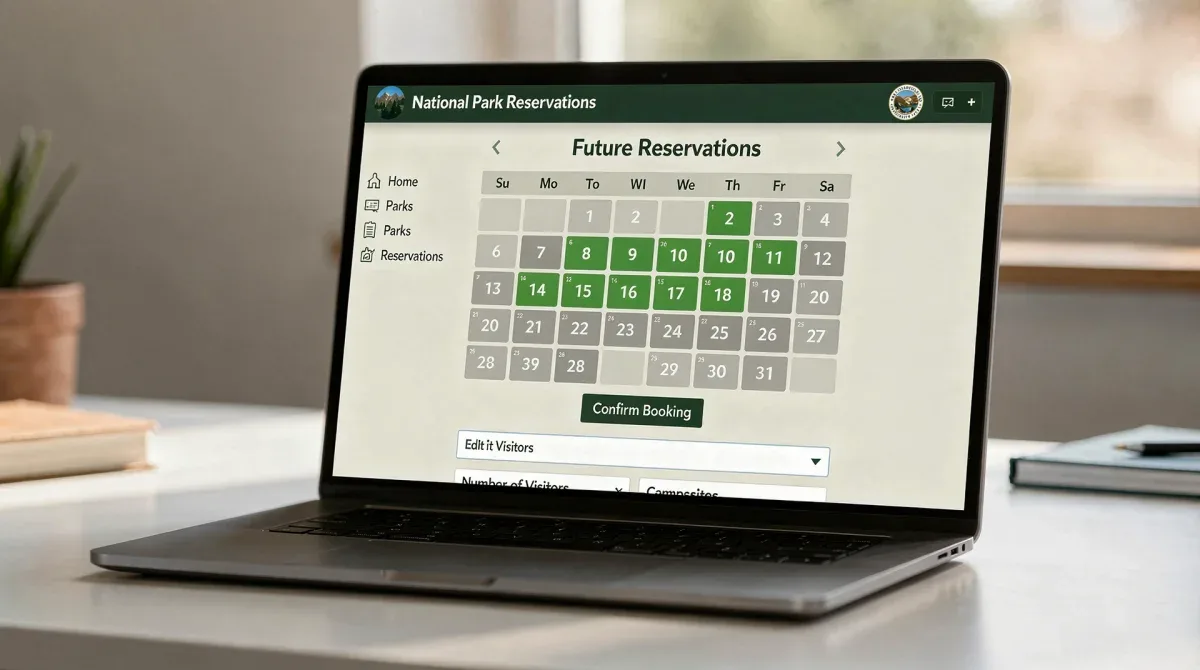
For many high-demand National Parks, the primary reservation window opens precisely six months before your desired visit date. This is the moment when the vast majority of vehicle entry slots become available, and it's also when competition is at its fiercest. Missing this window can mean missing out on your preferred dates or even access altogether.
This six-month lead time requires meticulous planning. It means you need to decide on your park, specific dates, and even entry times well in advance. For example, if you plan to visit a park on July 15th, 2026, you should mark January 15th, 2026, on your calendar as your reservation day. These windows typically open at a specific time, often 7:00 AM or 8:00 AM Mountain Time, regardless of your local time zone.
Key strategies for securing reservations
To succeed during this crucial six-month window, preparation is paramount. Treat it like booking concert tickets for a hugely popular artist. You need to be ready to act swiftly and decisively.
- Create an account in advance: Ensure you have an active recreation.gov account (or the relevant park-specific reservation platform) and that all your payment information is up to date. Don't wait until reservation day to do this.
- Confirm reservation time zone: Double-check the exact time and time zone the reservations open. A minute's delay can make a difference, especially for peak dates.
- Have multiple dates/times ready: Be flexible. If your first choice isn't available, have a second and third option immediately ready to select.
It's also beneficial to practice navigating the reservation system if possible. Some parks offer a "mock" reservation process or have detailed tutorials. Familiarity with the interface can save precious seconds when the actual window opens. Remember, popular dates and times can disappear within minutes, sometimes even seconds.
Don't be disheartened if you don't get your absolute first choice. The goal is to secure any reservation that allows you entry. Once you have a confirmed slot, you can always look for cancellations or later release windows, which we will discuss further. The six-month window is your best shot for primary access, so prioritize being prepared for it.
Navigating Recreation.gov and Park-Specific Platforms

Most National Park timed-entry reservations are managed through Recreation.gov, the federal government's booking portal for various outdoor activities. However, some parks may utilize their own specific platforms, or a hybrid system. It is critical to confirm which platform your desired park uses well in advance of your reservation date.
Recreation.gov is a robust system, but it can be overwhelming for first-time users. Familiarizing yourself with its layout and functionalities before the reservation day can significantly increase your chances of success. This includes knowing where to search for your specific park, understanding the different types of permits (vehicle entry, wilderness, specific trails), and the payment process.
Tips for a smooth reservation experience
A few practical steps can streamline your booking process on either Recreation.gov or a park-specific site:
- Use a reliable internet connection: A fast, stable connection is crucial. Avoid relying on public Wi-Fi or cellular data if possible, especially during peak booking times.
- Log in early: Be logged into your account at least 10-15 minutes before the reservation window opens. Some systems might have a waiting room or queue.
- Use a single device: While tempting to open multiple tabs or use multiple devices, this can sometimes lead to system errors or confusion, especially if different devices are logged into the same account. Stick to one browser tab on one device.
Reading the fine print for each park is also essential. Some parks might require additional permits for specific activities, like backcountry camping or popular day hikes, which are separate from the vehicle entry reservation. Always check for these nuances on the official park website. Understanding these details will prevent unexpected surprises upon arrival.
It's also worth noting that while Recreation.gov is the primary portal, individual park websites often provide detailed, park-specific instructions and FAQs regarding their timed-entry system. These resources are invaluable for clarifying any uncertainties. Dedicate time to thoroughly review these pages before your reservation attempt.
Alternative Strategies for Missed or High-Demand Dates
What if you missed the six-month window, or your desired dates were snapped up instantly? Don't despair. While the initial release is the largest, several alternative strategies can still lead to a successful National Park visit. These methods require persistence, flexibility, and often a bit of luck, but they are viable options.
Many parks implement a secondary release of reservations, typically a day or two before the visit date. This "day-before" or "two-day-before" release accounts for last-minute cancellations or additional capacity that becomes available. These slots are often released at a specific time, just like the initial window, so knowing that exact time is key.
Leveraging the last-minute release and cancellations
The last-minute release is a highly competitive, but effective, strategy. It requires dedication and quick reflexes.
- Set reminders: Mark your calendar for the exact time of the day-before release.
- Be persistent: Keep refreshing the page exactly at the release time. These go quickly.
- Look for cancellations: Continuously check the reservation portal in the days and weeks leading up to your desired visit. Cancellations happen frequently, especially as travel plans change.
Utilizing third-party notification services can also be a game-changer. Some services monitor reservation sites for cancellations and alert you when a spot opens up. While these often come with a small fee, they can be invaluable for securing hard-to-get reservations. Always research and choose reputable services.
Another often overlooked strategy is to consider visiting during the shoulder seasons or weekdays. While timed entry systems are primarily in place during peak season, off-peak times might not require a reservation at all, or they might be significantly easier to obtain. Flexibility with your travel dates can open up many more opportunities.
Essential Preparation Beyond Reservations
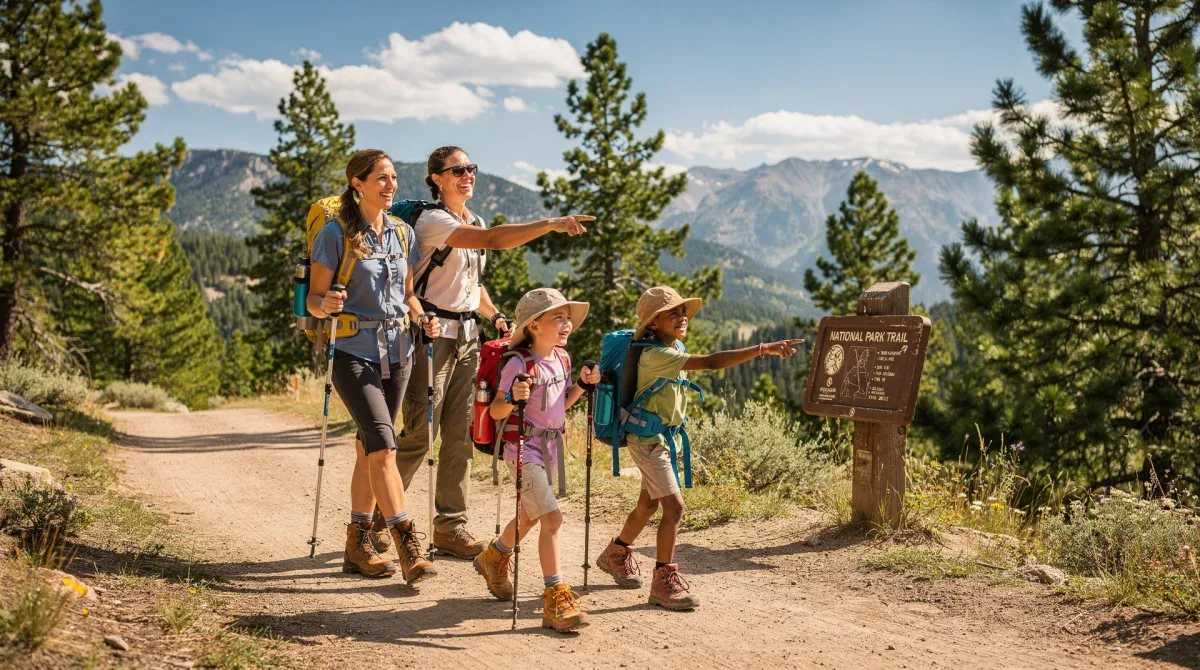
Securing your timed-entry reservation is a huge step, but it's just one piece of the puzzle for a successful National Park adventure. Effective planning extends far beyond the booking portal, encompassing everything from understanding park-specific regulations to packing the right gear and having a contingency plan. A well-prepared visitor is a happy visitor.
Each National Park is unique, with its own set of rules, regulations, and environmental considerations. What applies to Yosemite might not apply to Zion, and vice versa. Always delve into the specific details of the park you plan to visit, even if you're a seasoned park-goer. This proactive approach ensures you're not caught off guard.
What to research before you go
Before you even step foot in the park, a thorough review of several key areas is essential:
- Operating hours and road closures: Check for seasonal road closures, construction, or specific hours of operation that might impact your plans.
- Permits for specific activities: Some popular trails (e.g., Angels Landing in Zion) or backcountry areas require separate, often highly competitive, permits.
- Weather conditions: Mountain weather can change rapidly. Pack layers and be prepared for various conditions, regardless of the forecast.
Consider the logistics of food, water, and fuel. Services within National Parks can be limited, especially in more remote areas. Plan to bring sufficient water, snacks, and a full tank of gas. Cell service is often nonexistent, so download offline maps and critical information before you arrive. A printed map can be a lifesaver.
Finally, always have a backup plan. What if unexpected weather forces a road closure? What if a trail is unexpectedly closed for maintenance? Having an alternative activity or even a different park in mind can turn a potential disappointment into a new discovery. Flexibility is your friend when exploring the great outdoors.
Maximizing Your National Park Experience with Timed Entry
The timed-entry system, while sometimes perceived as an inconvenience, is ultimately designed to enhance your National Park experience. By reducing crowds and managing visitor flow, it creates a more intimate and enjoyable connection with nature. Embracing the system and planning strategically allows you to fully immerse yourself in the beauty of these landscapes.
Think of your timed entry slot not as a restriction, but as a golden ticket. It guarantees you access during a period when the park is less congested, allowing for better photographs, more serene hikes, and easier access to viewpoints. This foresight transforms your visit from a rushed experience into a truly memorable adventure.
Making the most of your allocated time
- Arrive early in your window: Maximize your time by entering as soon as your reservation window begins. This often means fewer people on the trails.
- Prioritize your must-sees: Identify the key attractions or hikes you absolutely want to experience and plan your day around them.
- Explore lesser-known areas: While popular spots are iconic, don't shy away from discovering quieter trails or viewpoints that offer unique perspectives.
Consider how your entry time aligns with sunrise or sunset, especially if photography is a priority. The 'golden hours' of light can transform a landscape, and a timed entry can help you be in the right place at the right time. Always factor in travel time between different park attractions, as distances can be deceiving.
Finally, remember the Leave No Trace principles. With fewer people, it's even more important to respect the environment, pack out everything you pack in, and stay on designated trails. Your responsible behavior contributes to the long-term preservation of these magnificent areas, ensuring that the timed-entry system continues to serve its protective purpose effectively.
Looking Ahead: Future Trends and Adaptations
The 2026 timed-entry system is not static; it's a dynamic response to evolving visitation patterns and conservation needs. As we look further into the future, it's reasonable to expect continued adaptations and refinements. Staying agile and informed will be key for any enthusiastic National Park visitor.
One potential trend is the expansion of timed entry to more parks or to cover longer seasons within existing parks. As popularity continues to grow, more nuanced systems might emerge, potentially including different tiers of reservations or more complex booking windows. The NPS is constantly evaluating and learning from previous years' implementations.
Anticipating changes and staying informed
- Subscribe to NPS newsletters: Official park newsletters are an excellent way to receive direct updates on reservation policies and changes.
- Follow park social media: Many parks use social media channels to announce immediate changes or provide helpful tips.
- Engage with park communities: Online forums and travel groups often share real-time experiences and insights into booking strategies.
Another area of potential evolution could be in how reservations are distributed. While the six-month window is current, future systems might experiment with lottery-based approaches for extremely high-demand dates, or integrate more dynamic pricing models. These are speculative, but highlight the need for continuous awareness.
Ultimately, the goal of these systems is to balance access with preservation. As visitors, our role is to understand and adapt to these necessary changes, ensuring that we can continue to enjoy America's natural heritage responsibly. The 2026 system is a testament to this ongoing effort, and our successful navigation of it directly contributes to its effectiveness.
| Key Point | Brief Description |
|---|---|
| Six-Month Window | Primary reservation release for most parks, requiring early planning and readiness. |
| Recreation.gov | Main platform for bookings; create an account and practice navigation beforehand. |
| Last-Minute Releases | Secondary opportunity for reservations, usually 1-2 days before the visit, requiring persistence. |
| Pre-Trip Research | Essential for understanding park-specific rules, weather, and additional permits beyond entry. |
Frequently asked questions about 2026 National Park timed entry
Which National Parks require timed entry in 2026?▼The list of parks requiring timed entry can change annually. As of late 2025, parks like Glacier, Yosemite, Zion, Arches, Rocky Mountain, and Shenandoah are expected to continue or implement timed entry. Always check the official NPS website for your specific park closer to your travel dates for the most accurate and up-to-date information.
When do 2026 National Park timed-entry reservations become available?▼For many high-demand parks, the primary reservation window opens exactly six months in advance of your desired visit date. For example, if you wish to visit on August 1st, 2026, reservations would typically open on February 1st, 2026, often at 7:00 AM or 8:00 AM Mountain Time. Confirm the exact time zone for your specific park.
What if I miss the six-month reservation window?▼If you miss the initial six-month window, don't worry. Many parks offer a secondary release of reservations, usually one to two days before the visit date. These are highly competitive but provide a second chance. Continuously checking for cancellations on Recreation.gov is also a viable strategy, as spots frequently open up.
Do I need a timed-entry reservation for every person in my vehicle?▼No, typically a single timed-entry reservation is for the vehicle, not per person. This reservation grants entry for everyone in that specific private vehicle during the designated time slot. However, individual permits might be required for specific activities or trails within the park, so always verify park-specific requirements.
Can I enter the park before or after my timed entry slot?▼Generally, you must enter the park during your specific timed-entry window. Entering before or significantly after your window may result in denied entry, especially during peak hours. Some parks allow re-entry on the same day once you've entered within your window, but always check the park's specific policies regarding re-entry.
Conclusion
Mastering the 2026 Timed-Entry System: How to Secure High-Demand National Park Vehicle Reservations 6 Months in Advance is more than just a guide; it's a roadmap to ensuring your access to some of America's most treasured landscapes. By understanding the system, acting decisively during reservation windows, and preparing thoroughly, you can transform potential challenges into a seamless and deeply rewarding National Park experience. The effort invested in planning today will undoubtedly pay off in unforgettable memories tomorrow.
