48-Hour National Park Getaway: Cut Lodging Costs 35% by 2026
Structuring a 48-hour national park weekend getaway efficiently can significantly reduce lodging expenses by 35% in 2026, focusing on strategic timing, alternative accommodations, and meticulous itinerary planning to maximize experiences while minimizing costs.
Planning a short, impactful trip to a national park can be both exhilarating and budget-friendly. This guide will show you how to structure a 48-hour national park weekend getaway to cut lodging costs by 35% in 2026, ensuring you experience the majesty of nature without breaking the bank. It's about smart choices, strategic timing, and a touch of ingenuity to make your adventure accessible.
Strategic timing and park selection for maximum savings
Choosing the right time and national park is the cornerstone of a budget-friendly weekend getaway. Peak seasons often mean inflated prices and crowded trails, diminishing both your experience and your wallet. By selecting shoulder seasons or less-visited parks, you can unlock significant savings on everything from entrance fees to potential lodging, even if you opt for nearby alternatives.
Understanding the nuances of each park's visitation patterns allows you to make informed decisions. Some parks, like Yellowstone, are almost universally popular, but even they have quieter weeks. Others, such as Great Basin National Park, offer stunning beauty with a fraction of the crowds, making them ideal for a cost-conscious trip.
Off-peak advantages and hidden gems
Traveling during the shoulder seasons—spring (late April to early June) and fall (September to October)—often presents a sweet spot. The weather is typically pleasant, crowds are thinner, and lodging prices see a noticeable dip. Winter can offer even deeper discounts for those prepared for colder conditions and potential snow, transforming familiar landscapes into serene, snowy wonderlands.
- Reduced lodging rates: Hotels and campsites outside peak demand often lower their prices.
- Fewer crowds: Enjoy popular trails and viewpoints without the throngs of tourists.
- Unique experiences: Witness seasonal wildlife migrations or autumn foliage at its peak.
- Easier permit access: For popular trails or backcountry camping, permits are less competitive.
Exploring lesser-known national parks or national monuments can also yield incredible experiences without the premium price tag. These often have lower or no entrance fees and provide equally breathtaking scenery. Think beyond the 'top ten' and research parks that align with your interests, whether it's desert landscapes, ancient forests, or coastal beauty.
In conclusion, the initial step in cutting lodging costs by 35% for your 48-hour national park weekend getaway involves meticulous planning around timing and destination. Opting for shoulder seasons or under-the-radar parks allows you to capitalize on reduced demand, leading to more affordable and enjoyable experiences.
Innovative lodging alternatives: Beyond traditional hotels
To truly cut lodging costs by 35% or more, you must look beyond conventional hotels and in-park lodges. While convenient, these options are often the most expensive. A 48-hour national park weekend getaway thrives on creativity when it comes to where you rest your head. This involves embracing options that might require a little more planning but offer substantial financial rewards and often a more immersive experience.
Alternative accommodations range from primitive camping to unique glamping experiences and even leveraging community-based lodging platforms. Each comes with its own set of advantages and considerations, but all aim to provide a comfortable stay without the hefty price tag associated with standard hotel rooms.
Embracing the great outdoors: Camping and glamping
Camping is arguably the most direct way to drastically reduce lodging expenses. National park campgrounds are typically far more affordable than any hotel room, and many offer basic amenities like restrooms and water. For those seeking even greater savings and solitude, dispersed camping on nearby Bureau of Land Management (BLM) or National Forest lands is often free, though it requires self-sufficiency.
- Frontcountry camping: Designated campsites with amenities, requiring reservations far in advance for popular parks.
- Backcountry camping: Requires permits and backpacking gear, offering unparalleled solitude and often free.
- Dispersed camping: Free camping on public lands outside park boundaries, no amenities, pack in/pack out rules apply.
- Glamping: Offers a balance of outdoor immersion with some creature comforts, often more affordable than lodges.
For those not quite ready to rough it, glamping—glamorous camping—provides a comfortable middle ground. Many private campgrounds or specialized glamping sites near national parks offer tents, yurts, or cabins that are already set up, often with beds and sometimes even kitchens. While more expensive than primitive camping, they are generally still significantly cheaper than hotel stays and provide a unique experience.
Another increasingly popular option is utilizing peer-to-peer rental platforms like Airbnb or Vrbo for cabins, small homes, or even spare rooms just outside park boundaries. These can often be more cost-effective, especially for groups, and provide access to kitchens, allowing for further savings on food. Always book well in advance, particularly for popular areas, and read reviews carefully to ensure quality and location meet your expectations.
In essence, the path to a 35% reduction in lodging costs for your 48-hour national park weekend getaway lies in exploring and embracing a variety of non-traditional accommodation options. From pitching a tent under the stars to finding a cozy rental, these choices not only save money but also enrich your overall travel experience.
Mastering meal planning and transportation for budget efficiency
Beyond lodging, food and transportation are the next biggest cost centers for any trip. For a 48-hour national park weekend getaway, meticulous planning in these areas can further deepen your savings, helping you reach and even exceed that 35% cost reduction target. The goal is to minimize reliance on expensive in-park concessions and maximize fuel efficiency.
Preparing your own meals and snacks is arguably the most impactful way to save on food. National park restaurants and gift shops often charge a premium for convenience. Similarly, optimizing your travel to and within the park can significantly cut down on gas expenses.
Eating smart: Pack your pantry
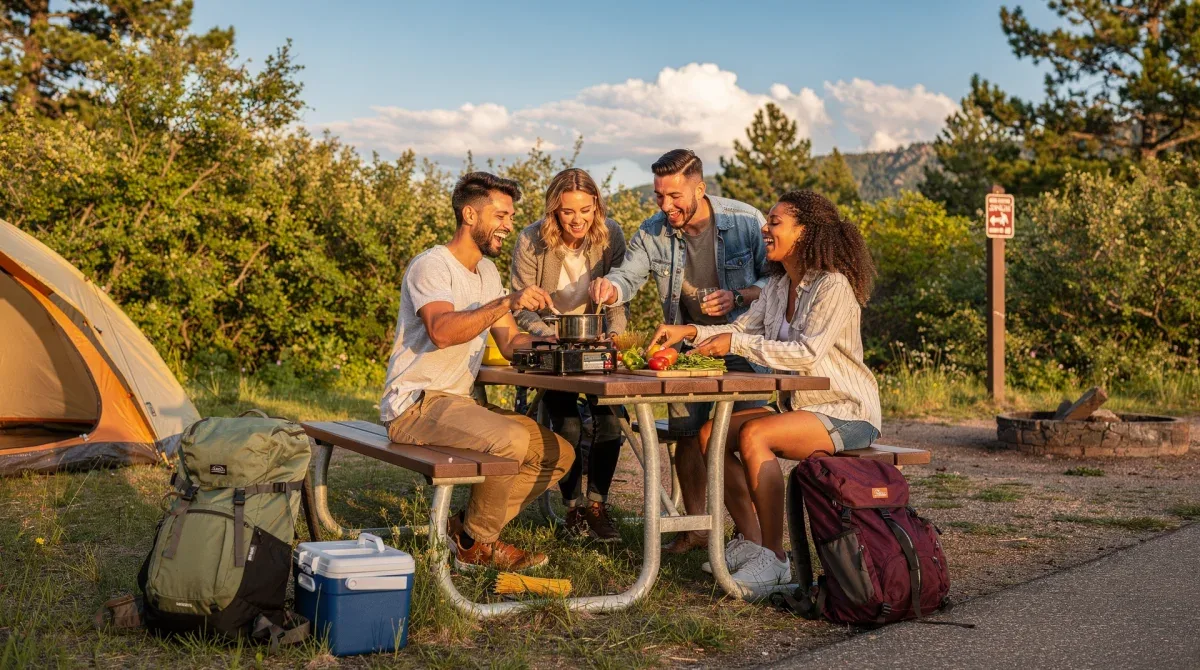
Before you even leave home, plan all your meals for the 48-hour trip. Focus on simple, non-perishable items that are easy to prepare with minimal equipment. A cooler filled with essentials can be your best friend. Think sandwiches, wraps, pasta salads, instant oatmeal, and plenty of snacks like nuts, fruit, and granola bars.
- Breakfast: Instant oatmeal, bagels with cream cheese, fruit.
- Lunch: Pre-made sandwiches, wraps, or hearty salads.
- Dinner: One-pot pasta, dehydrated meals, or grilled items if camping.
- Snacks: Trail mix, energy bars, fresh fruit, crackers.
Consider bringing a portable stove and cookware if your accommodation allows for cooking. This opens up options for hot meals, coffee, and tea, which can be a huge comfort after a day of hiking. Don't forget reusable water bottles to refill at park stations, saving money and reducing plastic waste.
Efficient travel: Carpooling and park shuttles
Transportation costs can quickly add up, especially with rising fuel prices. If traveling with friends or family, carpooling is an obvious choice that immediately cuts gas expenses per person. Beyond that, research the park's internal transportation options. Many national parks, especially the most popular ones like Zion or Grand Canyon, offer free shuttle bus systems that reduce traffic congestion and eliminate the need to drive and find parking at every viewpoint or trailhead.
Before heading out, check your vehicle's tire pressure and perform basic maintenance to ensure optimal fuel efficiency. Mapping out your routes in advance can also prevent unnecessary driving and backtracking. If flying to a park, consider renting an economy car or exploring public transit options to the park entrance if available, though these are less common for remote national parks.
Effectively managing your meal planning and transportation logistics is vital for a truly budget-friendly 48-hour national park weekend getaway. By preparing your own food and optimizing your travel within and to the park, you can achieve substantial savings, allowing you to allocate more resources to experiences rather than basic necessities.
Maximizing experiences: Free and low-cost park activities
A national park experience doesn't have to be expensive to be enriching. In fact, many of the most memorable activities within these natural wonders are entirely free or come at a minimal cost. The key to maximizing your 48-hour national park weekend getaway while sticking to a budget is to prioritize these inherent offerings and engage with the park's natural and educational resources.
From breathtaking hikes to insightful ranger programs, national parks are designed to be explored and appreciated without requiring a significant financial outlay for every activity. It's about tapping into the core mission of these preserves: conservation, education, and recreation.
Embrace the trails: Hiking and scenic drives
Hiking is the quintessential national park activity, and it's free. Research trails that match your fitness level and time constraints for your 48-hour visit. Many parks offer a range of options, from easy nature walks to challenging day hikes that lead to spectacular vistas. Utilize park maps and online resources to plan your routes, considering factors like elevation gain, distance, and points of interest.
- Short interpretive trails: Learn about local flora, fauna, and geology.
- Moderate day hikes: Reach iconic viewpoints or natural features.
- Scenic drives: Experience vast landscapes from the comfort of your vehicle, with frequent pull-offs for photos.
- Stargazing: Many national parks are designated Dark Sky Parks, offering unparalleled night sky views.
Scenic drives also offer an excellent way to cover a lot of ground and see diverse landscapes without extensive hiking. Always adhere to posted speed limits and be mindful of wildlife. Pack binoculars for wildlife viewing and a good camera to capture the stunning scenery.
Engage with park rangers and visitor centers
Visitor centers are invaluable resources for budget travelers. They offer free maps, up-to-date trail conditions, and often host exhibits about the park's history, geology, and ecology. Most importantly, park rangers are a wealth of information. They can recommend lesser-known trails, point out current wildlife sightings, and offer advice on making the most of your visit.
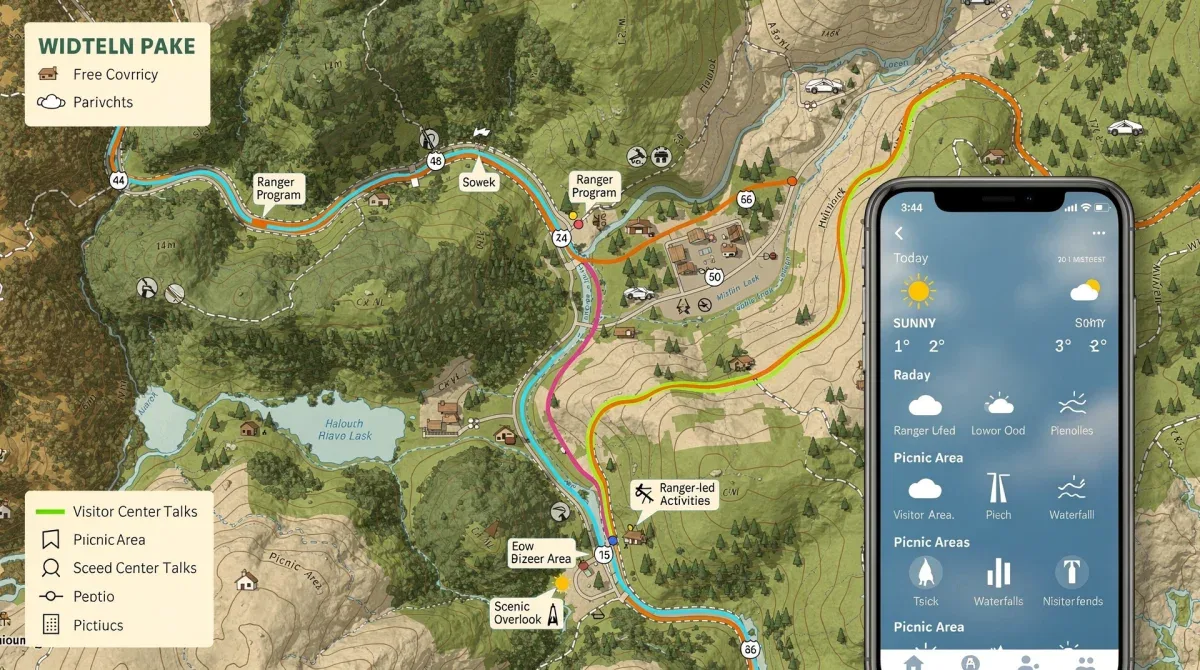
Many parks also offer free ranger-led programs, which can include guided walks, campfire talks, and interpretive presentations. These are fantastic opportunities to learn more about the park from experts and are often engaging for all ages. Check the park's official website or the visitor center schedule upon arrival for a list of daily programs.
Furthermore, look for junior ranger programs if you're traveling with children. These are typically low-cost or free and provide an interactive way for kids to learn about conservation and earn a badge, adding an educational and memorable element to the trip.
By focusing on the abundant free and low-cost activities available, your 48-hour national park weekend getaway can be incredibly rewarding without stretching your budget. Hiking, scenic drives, and engaging with park staff and programs offer authentic experiences that are both educational and deeply connected to the natural environment.
Essential gear and packing for a lean, efficient trip
Packing smart is crucial for a 48-hour national park weekend getaway, especially when aiming to cut costs and maximize efficiency. Overpacking leads to unnecessary weight, potential baggage fees if flying, and wasted time. Underpacking, conversely, can lead to unexpected expenses on forgotten essentials. The goal is to bring only what you truly need, focusing on versatility and practicality.
Your gear choices directly impact your comfort, safety, and overall enjoyment. For a short trip, every item should serve a purpose, contributing to a streamlined and budget-conscious adventure. Consider the specific park, time of year, and planned activities when curating your packing list.
The minimalist's checklist: Clothing and personal items
For a 48-hour trip, you can easily get by with a small backpack or duffel bag. Focus on layering clothing, as temperatures can fluctuate significantly in national parks, especially between day and night. Quick-drying fabrics are ideal. Bring one outfit for travel, one for hiking, and a clean set for evenings or emergencies.
- Clothing: Moisture-wicking base layers, hiking pants/shorts, a warm fleece or jacket, rain gear, hat, comfortable hiking socks, sturdy hiking shoes/boots.
- Personal items: Travel-sized toiletries, sunscreen, insect repellent, small first-aid kit, headlamp or flashlight, portable power bank.
- Documentation: Park pass (if applicable), ID, maps (downloaded offline or physical).
- Food & Water: Reusable water bottle, snacks, and pre-prepared meals.
Remember that many national parks are in remote areas with limited access to stores. Bringing your own first-aid supplies, medications, and personal hygiene items ensures you won't have to pay inflated prices at park shops or waste valuable time searching for them outside the park.
Smart tools for navigation and safety
While often overlooked, smart tools can make a significant difference. A reliable navigation system is paramount. While your phone can be useful, always have a backup. Download offline maps of the park area before you lose cell service. A physical map and compass, along with the knowledge of how to use them, are indispensable, especially on longer hikes.
Safety items like a whistle, a small knife, and a fire starter (if permitted and safe) are lightweight but can be crucial in an emergency. Inform someone of your itinerary and expected return time, especially if you plan to hike alone. These precautions don't add to your budget but significantly enhance your safety and peace of mind.
In summary, efficient packing and careful gear selection are integral to a successful and cost-effective 48-hour national park weekend getaway. By prioritizing essential, versatile items and ensuring you have the necessary safety and navigation tools, you can avoid unnecessary expenses and fully enjoy the natural beauty around you.

Leveraging technology and community resources for savings
In 2026, technology and community-driven platforms offer unprecedented opportunities to cut costs on your national park adventures. From real-time deals to shared knowledge, leveraging these resources can be the secret weapon in achieving your 35% lodging cost reduction goal for a 48-hour national park weekend getaway. It's about being resourceful and tapping into the collective intelligence of other travelers.
Beyond booking websites, there are apps and online communities dedicated to budget travel, national park enthusiasts, and even specific outdoor activities. These platforms can provide insights into cheaper alternatives, hidden gems, and ways to save that might not be immediately obvious.
Apps and websites for deal hunting
Before booking anything, thoroughly research various platforms. Price comparison websites for lodging can help you find the best rates for hotels or alternative accommodations outside the park. For camping, dedicated apps often show real-time availability and prices for both national park and private campgrounds, sometimes even including reviews and photos.
- Lodging aggregators: Compare prices across multiple hotel and rental sites.
- Camping apps: Find available campsites, often with user reviews and photos.
- Gas price trackers: Locate the cheapest fuel stations on your route.
- Park-specific apps: Many national parks have official apps with maps, alerts, and activity schedules.
Look for flash sales, last-minute deals, or special promotions offered by smaller, local accommodations near the parks. Sometimes, booking directly with a mom-and-pop motel or a private campground can yield better rates than through large booking engines, especially if you call and inquire about discounts.
Community forums and social media groups
Online travel forums, Reddit communities (like r/NationalParks or r/Travel), and Facebook groups dedicated to national park travel or budget adventuring are treasure troves of information. Travelers often share recent experiences, tips on saving money, and even advice on less-crowded areas or free activities.
These communities can provide up-to-date information on road closures, trail conditions, and even local events that might be happening during your visit. You might also find opportunities to carpool with others heading to the same park or get recommendations for affordable local eateries that aren't widely advertised. Always cross-reference information from online forums with official park sources to ensure accuracy and safety.
By strategically utilizing technology and engaging with online travel communities, you can significantly enhance your ability to find deals, discover cost-saving strategies, and ultimately achieve your goal of cutting lodging costs by 35% for your 48-hour national park weekend getaway. These resources empower you to travel smarter, not harder.
Crafting a detailed 48-hour itinerary for efficiency
A well-structured itinerary is the backbone of any successful 48-hour national park weekend getaway, especially when the goal is to cut lodging costs by 35% and maximize your experience. With limited time, every hour counts, and a detailed plan ensures you make the most of your visit without feeling rushed or incurring unnecessary expenses. This means balancing travel time, activities, and relaxation strategically.
An efficient itinerary prevents wasted time driving aimlessly, helps you take advantage of optimal times for specific activities (like sunrise viewing), and ensures you hit all your must-see spots. It also allows for flexibility, should unexpected weather or conditions arise.
Day 1: Arrival and immersive exploration
Upon arrival, head directly to your chosen budget-friendly lodging, whether it's a campsite or an off-park rental. Set up quickly, then make your way to the park's visitor center. Gather maps, check for any alerts, and chat with a ranger for current conditions and activity recommendations. This initial stop is crucial for orienting yourself and refining your plans based on real-time information.
- Morning: Arrive, check into lodging, visit the main visitor center.
- Late Morning/Afternoon: Embark on a moderate hike to an iconic viewpoint or natural feature. Pack a picnic lunch to save money.
- Late Afternoon: Enjoy a scenic drive, stopping at several overlooks.
- Evening: Prepare a simple, pre-planned dinner at your accommodation. Attend a free ranger program or enjoy stargazing.
The first day is about getting acquainted with the park's grandeur and engaging in its core offerings. By packing a lunch and dinner, you avoid expensive in-park dining. Prioritize activities that offer the most impact for your time, like a signature hike or a particularly scenic drive.
Day 2: Deeper dives and departure
Day two allows for a deeper exploration of a specific area or a different type of activity. Consider an early start to catch a sunrise, which often provides stunning photo opportunities and avoids crowds. This might be a shorter, more accessible hike or a visit to a unique geological feature.
Before heading out for the day, pack up your lodging essentials. This saves time later and ensures you're ready to depart directly from your last activity. If you're camping, ensure your site is clean and all belongings are secured. If you're at a rental, follow check-out procedures.
- Early Morning: Sunrise viewing at a designated spot, followed by a light, packed breakfast.
- Morning: Explore a different section of the park, perhaps a less-trafficked trail or a historical site.
- Lunch: Enjoy a final packed lunch at a scenic spot.
- Afternoon: One last short walk or visit to a gift shop for a small, memorable souvenir if desired (budget permitting). Begin your journey home, allowing ample time for travel.
The second day should feel fulfilling but not rushed. It's about soaking in the last moments of natural beauty and ensuring a smooth transition back to your routine. By meticulously planning each segment of your 48-hour national park weekend getaway, from arrival to departure, you ensure a cost-effective, enriching, and memorable experience.
| Key Strategy | Brief Description |
|---|---|
| Off-Peak Travel | Visit national parks during shoulder seasons (spring/fall) for lower prices and fewer crowds. |
| Alternative Lodging | Opt for camping, glamping, or off-park rentals instead of expensive in-park lodges. |
| DIY Meals | Pack all meals and snacks to avoid costly in-park food options. |
| Free Activities | Focus on hiking, scenic drives, and free ranger programs for entertainment. |
Frequently asked questions about budget national park trips
What is the best time of year to visit national parks on a budget?▼The best times are typically the shoulder seasons: late spring (April-May) and early fall (September-October). During these periods, you'll find fewer crowds, more moderate weather, and significantly lower prices for accommodations and other services compared to the peak summer months. Winter can also offer deep discounts for those prepared for colder conditions.
How can I find affordable lodging near popular national parks?▼Look beyond in-park lodges. Explore options like national forest campgrounds, BLM dispersed camping, or private campgrounds outside park boundaries. Websites like Airbnb or Vrbo can also offer cheaper rental homes or rooms in nearby towns. Booking well in advance, especially for popular parks, is crucial for securing better rates.
What are the most effective ways to save on food during a 48-hour trip?▼The most effective way is to pack all your meals and snacks from home. Focus on non-perishable items and simple recipes that require minimal cooking. Bring a cooler with ice, a portable stove if allowed, and reusable water bottles. This dramatically cuts down on expensive in-park concession purchases.
Are national park passes worth it for a 48-hour visit?▼For a single 48-hour visit, an annual pass (America the Beautiful Pass) might not be cost-effective unless you plan multiple visits within a year. Most parks offer a 7-day vehicle pass, which is usually more economical for a short trip. However, if you're visiting multiple parks, the annual pass quickly pays for itself.
What free activities can I enjoy in national parks to save money?▼National parks offer a wealth of free activities. Hiking on designated trails is paramount. Enjoy scenic drives, visit ranger-led programs and campfire talks, explore visitor center exhibits, and take advantage of stargazing opportunities in designated Dark Sky Parks. These activities provide deep immersion without additional costs.
Conclusion
Embarking on a 48-hour national park weekend getaway doesn't have to strain your finances. By strategically planning your visit during off-peak seasons, exploring innovative and affordable lodging options like camping or rentals, and meticulously managing your food and transportation, you can significantly cut costs. Leveraging free park activities and community resources further enhances the value of your trip, ensuring a memorable and budget-friendly adventure while experiencing the unparalleled beauty of America's national treasures. With these strategies, achieving a 35% reduction in lodging costs by 2026 is not just a possibility, but a tangible goal for every savvy traveler.
