Packrafting vs. Ultralight Trekking: 7-Day Expedition Guide
Packrafting offers distinct advantages for remote river expeditions by combining lightweight boat travel with trekking, while ultralight trekking focuses on minimal gear for land-based journeys, both demanding meticulous planning and survival skills over a 7-day period.
Embarking on a remote river expedition demands a critical choice: packrafting vs. ultralight trekking. This decision profoundly impacts your gear, route planning, and overall survival strategy for a challenging 7-day journey into the wilderness.
Understanding packrafting: the amphibious advantage
Packrafting offers an unparalleled blend of land and water travel, making it a favorite for explorers tackling diverse terrains. This method involves carrying a lightweight inflatable boat, or packraft, along with all necessary gear, allowing adventurers to seamlessly transition from hiking trails to river systems.
The core philosophy of packrafting is versatility. Imagine hiking deep into a canyon, reaching a river, inflating your boat, and floating downstream, covering miles that would be impassable on foot. This capability opens up vast, otherwise inaccessible wilderness areas, providing unique perspectives and challenges.
Key components of a packrafting setup
- Packraft: Lightweight, durable inflatable boat, typically weighing between 5-15 pounds.
- Paddle: Four-piece breakdown paddle for easy packing.
- Personal flotation device (PFD): Essential for safety on the water.
- Inflation bag/pump: To quickly inflate the packraft.
Beyond the core equipment, a packrafter must also consider dry bags for gear protection, repair kits for unexpected punctures, and appropriate footwear that can handle both wet and dry conditions. The cumulative weight of this specialized gear can be a significant factor, requiring careful selection to remain ultralight.
In conclusion, packrafting provides a unique advantage for remote river expeditions by enabling travel across both land and water. Its versatility, however, demands specialized gear and rigorous planning to navigate the complexities of combined terrain, making it a truly immersive wilderness experience.

Route planning and logistics
Planning a 7-day packrafting trip involves meticulous attention to both land and water segments. River conditions, including rapids, water levels, and potential portages, must be thoroughly researched. Topographic maps, satellite imagery, and local knowledge are invaluable resources.
Logistics often include identifying suitable put-in and take-out points, understanding access regulations, and preparing for potential emergencies. The ability to adapt your plan based on changing conditions is crucial for a successful and safe expedition. This dynamic approach distinguishes packrafting from purely land-based treks.
The essence of ultralight trekking: covering ground efficiently
Ultralight trekking, by contrast, focuses on minimizing pack weight to maximize efficiency and endurance over land. This approach is about shedding every unnecessary ounce, allowing trekkers to cover greater distances with less fatigue, especially vital during a 7-day remote expedition.
The philosophy here is 'less is more.' Every item carried is scrutinized for its weight, utility, and necessity. This often means investing in high-performance, lightweight gear, embracing minimalist shelter systems, and carefully portioning food and water to reduce bulk.
Core principles of ultralight gear selection
The cornerstone of ultralight trekking is a carefully curated gear list. This includes lightweight tents or tarps, compact sleeping bags, and efficient cooking systems. The goal is to achieve a base weight (pack weight excluding consumables like food and water) of 10-15 pounds or less.
Footwear is another critical consideration, with many ultralight trekkers opting for trail runners over heavy hiking boots to save weight and improve comfort. The cumulative effect of these choices allows for faster travel and reduced strain on the body.
Water purification is paramount, often achieved with lightweight filters or chemical treatments, ensuring access to potable water without carrying excessive amounts. Navigation tools, first-aid, and emergency communication devices are also selected for their minimal weight and maximum reliability.
Strategic planning for a 7-day trek
Planning an ultralight trekking trip involves detailed route mapping, elevation profiles, and understanding potential water sources. The pace of travel is often faster, allowing for ambitious itineraries, but also requiring careful consideration of daily mileage and resupply points, if any.
Food planning is precise, focusing on calorie-dense, lightweight options like dehydrated meals, nuts, and energy bars. Every gram counts, and a well-planned food strategy ensures adequate nutrition without excess weight. This meticulous preparation is what allows ultralight trekkers to thrive in remote environments.
In summary, ultralight trekking prioritizes efficiency and endurance through minimalist gear and strategic planning. This approach enables trekkers to cover significant distances over challenging terrain, offering a deeply immersive and self-reliant wilderness experience focused purely on land travel.
Gear breakdown: what to pack for a 7-day journey
The gear list for a 7-day expedition, whether packrafting or ultralight trekking, is foundational to success and survival. While both share some commonalities, the specialized nature of each discipline dictates significant differences in essential items.
For both, a reliable backpack is crucial, though its design will vary. Packrafters often opt for packs that integrate well with their boat, sometimes using a drybag as the main pack. Ultralight trekkers prioritize lightweight, ergonomic designs that distribute weight efficiently over long distances.
Shared essentials for remote expeditions
- Shelter: Lightweight tent, tarp, or bivy sack.
- Sleeping system: Sleeping bag appropriate for expected temperatures, sleeping pad.
- Navigation: Map, compass, GPS device, satellite messenger.
- First-aid kit: Comprehensive and well-stocked for wilderness emergencies.
- Water purification: Filter, purification tablets, or UV sterilizer.
- Cooking system: Lightweight stove, fuel, pot, and eating utensil.
Packrafting specific gear
Beyond the core packrafting setup (boat, paddle, PFD), additional considerations include:
- Dry bags: Multiple sizes to protect all gear from water.
- Wetsuit/drysuit: Depending on water temperature and conditions.
- River shoes/booties: For protection and grip in wet environments.
- Throw bag: For rescue situations.
- Repair kit: For on-the-go boat repairs.
The added weight and bulk of packrafting gear necessitate careful selection to avoid overburdening the adventurer during trekking segments. Every item must serve multiple purposes or be indispensable for safety on the water.
Ultralight trekking specific gear
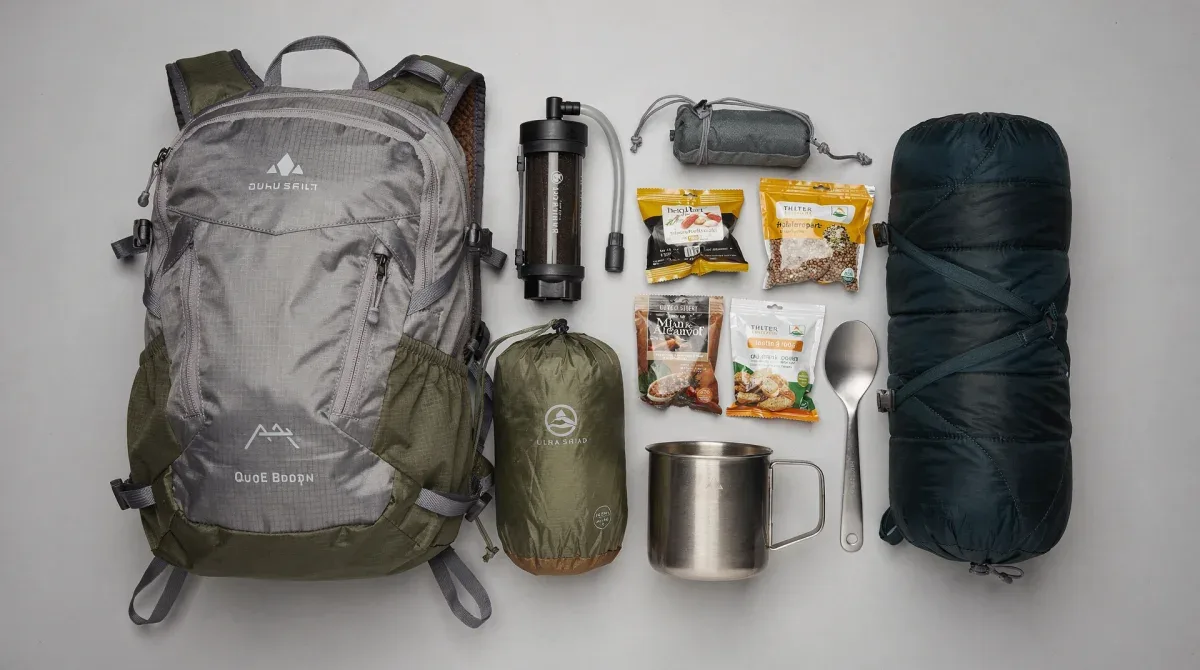
Ultralight trekking prioritizes minimizing the 'big three' – pack, shelter, and sleep system – to achieve significant weight savings. This often means:
- Minimalist shelter: Tarps or single-wall tents.
- Down sleeping bag: High warmth-to-weight ratio.
- Lightweight insulated sleeping pad: For comfort and warmth.
- Trail runners: Lightweight and quick-drying footwear.
- Trekking poles: For stability and reducing strain on joints.
The emphasis is on multi-use items and leaving non-essentials at home. For instance, a trekking pole can double as a tent pole, and a rain jacket might also serve as a windbreaker. This meticulous approach to gear ensures maximum mobility and minimal burden over a week-long journey.
Ultimately, the gear list for a 7-day expedition is a reflection of the chosen discipline and the specific demands of the remote environment. Careful consideration of each item's weight, utility, and necessity is paramount for both packrafters and ultralight trekkers to ensure safety and success.
Survival strategies for remote river expeditions
Venturing into remote wilderness for a 7-day expedition, whether packrafting or ultralight trekking, inherently carries risks. Robust survival strategies are not merely advisable; they are absolutely essential for mitigating dangers and ensuring a safe return.
Preparation begins long before stepping onto the trail or into the water. This includes developing a comprehensive understanding of wilderness first aid, navigation skills, and emergency signaling. The ability to improvise and adapt to unexpected situations is a hallmark of experienced remote adventurers.
Essential survival skills
Core survival skills apply universally to both disciplines:
- Navigation: Proficient use of map, compass, and GPS, even in adverse conditions.
- Shelter building: Ability to construct emergency shelter using natural materials or minimalist gear.
- Fire starting: Multiple methods for starting a fire for warmth, cooking, and signaling.
- Water procurement: Identifying and purifying water sources.
- First aid: Wilderness first responder knowledge to handle injuries and illnesses.
Beyond these, specific considerations arise based on the chosen mode of travel. Packrafters must be adept at river rescue techniques, including self-rescue and assisting others. Ultralight trekkers need a keen awareness of trail conditions, potential hazards like rockfalls, and wildlife encounters.
Emergency communication and contingency plans
In remote areas, cell service is often nonexistent. Therefore, a satellite messenger or personal locator beacon (PLB) is a non-negotiable item. These devices allow for emergency communication and can summon help in dire situations.
A detailed trip plan left with a trusted contact is also vital. This plan should include your intended route, expected timelines, and emergency contact information. Regularly checking in, if possible, provides an added layer of safety.
Contingency planning involves anticipating potential problems and having backup solutions. What if your packraft punctures beyond repair? What if a key piece of trekking gear breaks? Having redundant systems or alternative strategies can be the difference between a minor setback and a full-blown emergency.
Understanding local wildlife, particularly large predators, and knowing how to react to encounters is another critical aspect of survival. Carrying bear spray in bear country, for instance, is a common and wise precaution.
In conclusion, robust survival strategies are the bedrock of any remote river expedition. From mastering essential wilderness skills to implementing comprehensive emergency communication and contingency plans, preparedness is key to navigating the inherent challenges and ensuring a safe and successful 7-day journey.
Performance metrics: speed, endurance, and accessibility
Evaluating packrafting vs. ultralight trekking involves a close look at various performance metrics. These include the speed at which terrain can be covered, the endurance required, and the accessibility each method offers to different types of remote environments over a 7-day period.
Both disciplines demand high levels of physical fitness and mental fortitude. However, their distinct approaches to wilderness travel result in differing performance profiles, influencing route choices and the overall expedition experience.
Speed and efficiency across terrains
Ultralight trekking generally excels in speed over well-defined trails and open terrain. With a minimal pack, trekkers can maintain a consistent, brisk pace, covering significant distances daily. This efficiency diminishes, however, when encountering dense bush, deep canyons, or impassable rivers.
Packrafting, on the other hand, might be slower on land due to the slightly heavier and bulkier pack. Yet, its speed dramatically increases when transitioning to water. Rivers that would take days to navigate on foot, if at all possible, can be covered in hours by packraft. This amphibious capability makes it incredibly efficient for routes that integrate substantial river travel.
For a 7-day journey, a packrafting itinerary might involve fewer overall miles but access to more diverse and remote landscapes. An ultralight trekker might cover more ground but be restricted to continuous land routes.
Endurance demands and physical toll
The endurance required for both is substantial. Ultralight trekking demands sustained effort over long distances, often involving significant elevation changes. The physical toll is primarily on the legs, feet, and joints, requiring strong cardiovascular fitness and resilience.
Packrafting adds an upper body component with paddling, alongside the trekking demands. The transitions between land and water, including packing and unpacking the boat, can also be physically demanding. The varied muscle groups engaged can sometimes lead to a more balanced, albeit equally intense, workout.
The choice often comes down to personal preference for physical challenge: continuous, high-mileage hiking or a more varied, multi-sport exertion.
Accessibility to remote areas
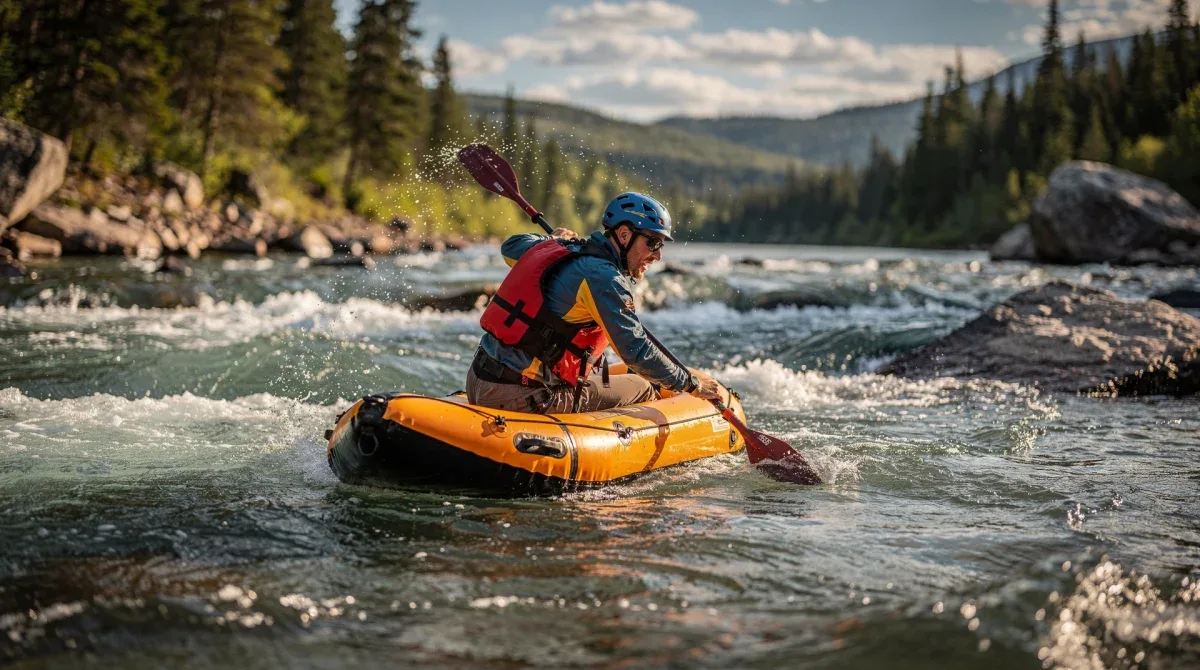
Packrafting opens up truly remote and otherwise inaccessible areas. River systems often act as natural highways into the heart of wilderness, bypassing dense forests, steep cliffs, and roadless expanses. This is particularly valuable for exploring areas with limited or no established trails.
Ultralight trekking provides accessibility to vast trail networks, mountain ranges, and high-altitude passes. While it can reach very remote areas, its reach is constrained by the continuity of walkable terrain. Some deep canyons or expansive wetlands might simply be impassable without a boat.
In conclusion, both packrafting and ultralight trekking offer distinct performance advantages, influencing speed, endurance, and accessibility. The optimal choice for a 7-day remote expedition hinges on the specific terrain, the adventurer's physical capabilities, and their desire to traverse either predominantly land-based or combined land-and-water environments.
Safety protocols and risk management
Effective safety protocols and robust risk management are non-negotiable for any remote river expedition, regardless of whether you choose packrafting or ultralight trekking. The wilderness is unpredictable, and a proactive approach to safety can prevent minor incidents from escalating into life-threatening emergencies over a 7-day period.
This involves not only carrying the right gear but also cultivating a mindset of awareness, continuous assessment of conditions, and conservative decision-making. Understanding the specific risks associated with each mode of travel is paramount.
Identifying and mitigating risks in packrafting
Packrafting introduces unique water-based risks:
- Hypothermia: Cold water exposure is a constant threat; proper insulation and dry suits are vital.
- Drowning: Always wear a PFD; understand river hydrology, strainers, and hydraulics.
- Boat damage: Punctures from sharp rocks or debris can leave you stranded; a comprehensive repair kit is essential.
- Getting swept away: Strong currents can be dangerous; know your limits and scout rapids.
Mitigation strategies include thorough river scouting, understanding river classifications, practicing self-rescue and assisted rescue techniques, and carrying appropriate safety gear like throw bags and a whistle. Never underestimate the power of moving water.
Addressing risks in ultralight trekking
Ultralight trekking, while land-based, has its own set of inherent dangers:
- Falls/injuries: Uneven terrain, steep slopes, and slippery surfaces increase the risk of sprains, fractures, or head injuries.
- Exposure: Rapid weather changes, especially in mountainous terrain, can lead to hypothermia or heatstroke.
- Getting lost: Navigation errors in featureless terrain or dense forests.
- Wildlife encounters: Potential dangers from bears, mountain lions, or venomous snakes.
Mitigation involves carrying a well-stocked first-aid kit, knowing how to use it, and having a reliable navigation system. Proper layering of clothing is crucial for managing exposure. Researching local wildlife and carrying appropriate deterrents like bear spray can prevent dangerous encounters.
The importance of group dynamics and communication
For both disciplines, traveling with a partner or in a small group significantly enhances safety. The ability to assist each other in an emergency, share knowledge, and maintain morale is invaluable. Clear communication within the group about plans, perceived risks, and individual well-being is critical.
Before embarking, ensure everyone in the group has a clear understanding of the route, emergency procedures, and their roles in a crisis. This shared responsibility forms a strong foundation for managing risks effectively in a remote setting.
In conclusion, stringent safety protocols and proactive risk management are the cornerstones of successful remote river expeditions. By understanding the specific challenges of packrafting and ultralight trekking, implementing robust mitigation strategies, and fostering strong group communication, adventurers can significantly enhance their chances of a safe and rewarding 7-day journey.
Environmental impact and responsible wilderness travel
Engaging in remote river expeditions, whether through packrafting or ultralight trekking, carries a profound responsibility to minimize environmental impact. A 7-day journey into the wilderness means interacting closely with fragile ecosystems, and practicing responsible wilderness travel ensures these pristine environments remain unspoiled for future generations.
The core philosophy here is 'Leave No Trace' (LNT), a set of ethical principles designed to minimize human impact on the outdoors. Adhering to these principles is not just a recommendation; it's a moral imperative for anyone venturing into remote natural areas.
Leave No Trace principles for remote expeditions
- Plan ahead and prepare: Minimize waste, choose appropriate gear, know regulations.
- Travel and camp on durable surfaces: Stick to established trails, camp in designated areas or on durable surfaces like rock or dry grass.
- Dispose of waste properly: Pack it in, pack it out. Bury human waste in catholes 6-8 inches deep, 200 feet from water sources.
- Leave what you find: Do not disturb natural objects, historical artifacts, or wildlife.
- Minimize campfire impacts: Use existing fire rings, keep fires small, and ensure they are completely out.
- Respect wildlife: Observe from a distance, never feed animals, and store food securely.
- Be considerate of other visitors: Respect solitude, avoid loud noises, and yield to others.
Specific considerations for packrafting
Packrafters have unique responsibilities when on water:
- River bank protection: Avoid trampling fragile vegetation when putting in or taking out.
- Wildlife disturbance: Be mindful of nesting birds, spawning fish, and other aquatic life. Maintain respectful distances.
- Waste management: Ensure all trash, including accidental drops, is retrieved from the water.
- Invasive species: Clean your boat and gear thoroughly before entering new waterways to prevent the spread of invasive species.
The ease of access that packrafts provide to remote river sections also means a heightened responsibility to protect those areas. The goal is to pass through the landscape as if you were never there.
Specific considerations for ultralight trekking
Ultralight trekkers, while minimizing gear, must still adhere to LNT principles rigorously:
- Trail impact: Stay on marked trails to prevent widening or braiding, especially in fragile alpine environments.
- Campsite selection: Choose established sites or areas that can withstand impact, avoiding sensitive vegetation.
- Food storage: Use bear canisters or hang food properly to prevent wildlife from accessing human food.
- Human waste: Proper cathole digging is crucial to prevent contamination of water sources and trails.
The cumulative effect of many trekkers, even ultralight ones, can have a significant impact if LNT principles are not followed. Every individual action contributes to the preservation or degradation of the wilderness.
In conclusion, responsible wilderness travel is an integral part of any remote river expedition. By diligently following Leave No Trace principles and being mindful of the specific environmental impacts associated with packrafting and ultralight trekking, adventurers can ensure their 7-day journey contributes to the preservation of these invaluable natural spaces.
| Key Aspect | Description |
|---|---|
| Versatility | Packrafting offers amphibious travel; trekking is land-focused. |
| Gear Weight | Ultralight trekking minimizes weight; packrafting adds boat and paddle. |
| Accessibility | Packrafting accesses river-centric remote areas; trekking accesses trail networks. |
| Survival Skills | Both require wilderness first aid, navigation; packrafting adds river rescue. |
Frequently asked questions about remote expeditions
What is the primary advantage of packrafting over ultralight trekking for a 7-day trip?▼The primary advantage of packrafting is its amphibious capability, allowing seamless transitions between land and water. This opens up remote areas with significant river systems that would be impassable or extremely difficult to traverse solely on foot, greatly expanding exploration possibilities over a week-long journey.
How does gear weight differ significantly between the two disciplines?▼Ultralight trekking focuses on minimizing every ounce to achieve a low base weight, typically under 15 pounds. Packrafting, while still aiming for lightness, inherently adds the weight of the packraft, paddle, and PFD, often resulting in a heavier overall pack when fully equipped for both land and water.
What essential survival skills are unique to packrafting expeditions?▼Beyond general wilderness survival, packrafting expeditions demand specific river-based skills. These include proficiency in reading river currents, understanding hydrology, scouting rapids, executing self-rescue techniques, and performing assisted rescues. Knowledge of cold-water immersion protocols is also crucial.
Can ultralight trekking access truly remote river canyons?▼While ultralight trekking can access many remote areas, truly remote river canyons with continuous water flow often present impassable barriers. Without a boat, trekkers might be forced to undertake challenging and time-consuming detours or be entirely cut off, limiting their ability to follow the river's course.
Which method is generally faster for covering distance over 7 days?▼The faster method depends on the specific terrain. Ultralight trekking is generally faster on continuous, well-defined land trails. Packrafting becomes significantly faster when the route involves substantial river travel, allowing covering miles on water that would be slow or impossible on foot, potentially leading to greater overall efficiency for mixed-terrain routes.
Conclusion
Ultimately, the choice between packrafting and ultralight trekking for a 7-day remote river expedition hinges on the specific landscape, personal skill set, and desired experience. Packrafting offers unparalleled access to combined land and water environments, demanding specialized gear and river navigation expertise. Ultralight trekking prioritizes efficiency and speed over continuous land, requiring meticulous weight management and endurance. Both disciplines necessitate robust survival strategies, stringent safety protocols, and an unwavering commitment to responsible wilderness travel. By carefully weighing the performance metrics, gear requirements, and inherent risks, adventurers can make an informed decision, ensuring a safe, fulfilling, and environmentally conscious journey into the heart of the wilderness.
