Weekend Getaways: Save 28% with Sunday Extensions
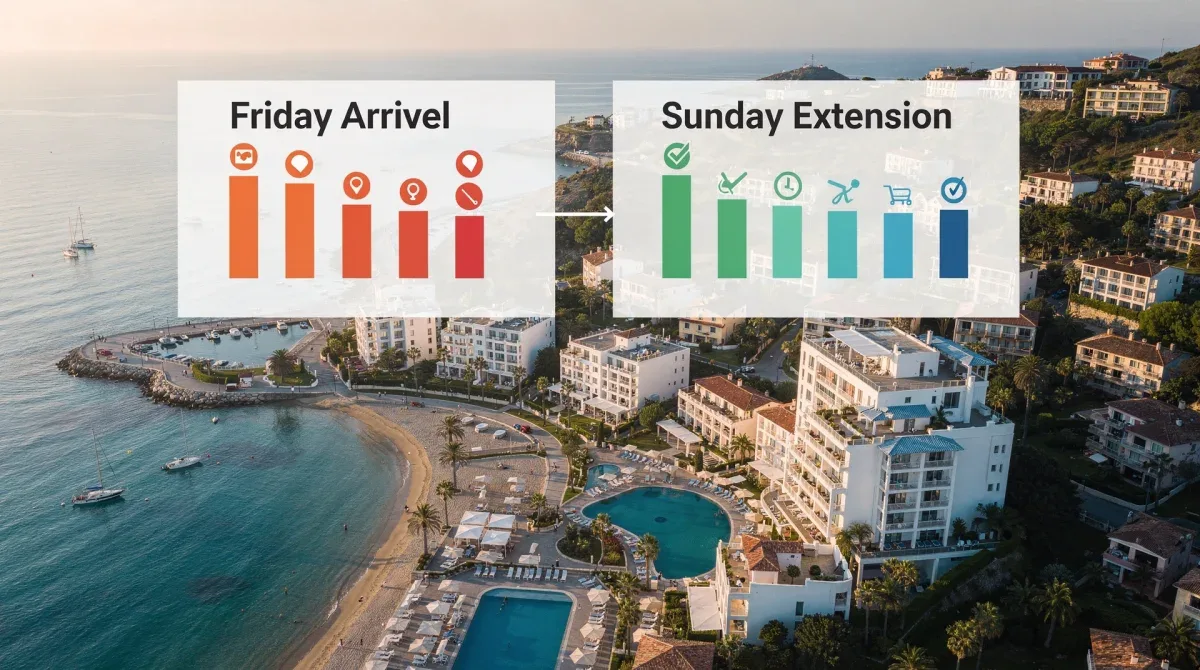
Shifting weekend getaway dates to include Sunday extensions rather than traditional Friday arrivals can yield significant savings, with analyses revealing up to a 28% reduction in accommodation costs for savvy travelers.
Are you tired of weekend getaway costs eating into your travel budget? The conventional wisdom of a Friday arrival might be costing you more than you think. Recent analysis reveals that by opting for Sunday extensions weekend getaways, travelers can save a remarkable 28% on accommodations, redefining how we approach short breaks.
The hidden costs of Friday arrivals
For decades, the Friday-to-Sunday weekend getaway has been the undisputed champion of short breaks. It’s convenient, aligns with work schedules, and feels like the natural start to a relaxing escape. However, this ingrained habit comes with a significant financial penalty, largely due to demand-driven pricing strategies employed by hotels and other accommodation providers.
The travel industry is a master of dynamic pricing, adjusting rates based on real-time demand. Fridays are consistently the most sought-after check-in days, creating a surge in prices. This peak demand isn't just about the initial night; it often inflates the rates for the entire weekend package, making even a two-night stay considerably more expensive than alternative configurations. Travelers, often unaware of this subtle but impactful pricing mechanism, inadvertently pay a premium for convenience.
Understanding peak demand pricing
Hotels, much like airlines, operate on a yield management model. This means they aim to maximize revenue by forecasting demand and setting prices accordingly. When everyone wants to check in on Friday, prices naturally rise. This phenomenon is particularly pronounced in popular tourist destinations and urban centers where weekend tourism thrives.
- High occupancy rates: Fridays and Saturdays typically see the highest occupancy, allowing hotels to charge premium rates.
- Business travel decline: During weekends, business travel dwindles, shifting focus entirely to leisure travelers who often prioritize convenience.
- Event-driven surges: Local events, concerts, or festivals often coincide with weekends, further escalating demand and prices.
The cumulative effect of these factors means that a Friday arrival isn't just slightly more expensive; it can significantly inflate the total cost of your accommodation, sometimes by hundreds of dollars depending on the destination and hotel caliber. By simply altering your arrival day, you can tap into a less competitive pricing window.
Beyond the direct accommodation cost, Friday arrivals can also lead to higher prices for other travel components, such as flights or rental cars, as these industries also experience peak demand during the conventional weekend rush. Recognizing and strategically avoiding these peak times is the first step toward substantial savings on your next weekend adventure.
Unlocking savings with Sunday extensions
The concept of a Sunday extension isn't just about avoiding Friday's peak pricing; it's about leveraging a typically quieter period in the travel cycle. By checking in on a Sunday and extending your stay into Monday or even Tuesday, you often encounter a dramatically different pricing landscape. This strategy capitalizes on the drop in demand that occurs as most weekend travelers depart.
Data consistently shows that Sunday nights are among the cheapest for hotel stays. This is because business travelers haven't fully resumed their weekday journeys, and most leisure travelers have already checked out. This creates a window of opportunity for travelers who can be flexible with their schedules, offering substantial discounts that are rarely available during the traditional weekend rush.
The economic logic of off-peak demand
Hotels prefer to maintain high occupancy throughout the week. When leisure travelers depart on Sunday, a void is created before the full swing of weekday business travel. To fill this gap, hotels often reduce rates for Sunday and Monday nights, making them incredibly attractive for budget-conscious explorers.
- Reduced competition: Fewer travelers are looking to check in on Sunday, leading to lower demand and thus lower prices.
- Weekday transition: Sunday serves as a bridge between leisure and business travel, often resulting in softer pricing.
- Incentives for extended stays: Some hotels offer special rates for guests extending their stay into the week, further sweetening the deal.
This strategic shift not only impacts accommodation but can also extend to other aspects of your trip. Attractions might be less crowded, restaurant reservations easier to secure, and even local transportation more efficient. The overall experience can feel more relaxed and authentic without the hustle and bustle of peak weekend crowds.
Embracing Sunday extensions allows you to enjoy the benefits of a weekend getaway without the associated premium. It’s a smart travel hack that prioritizes value, giving you more bang for your buck and potentially enabling longer or more frequent trips throughout the year. The 28% savings isn't just a number; it's a tangible opportunity to stretch your travel budget further.
Case studies: Real-world savings
The concept of saving by shifting weekend dates isn't merely theoretical; numerous real-world examples illustrate its effectiveness. Consider a couple planning a romantic escape to New York City. If they booked a Friday-to-Sunday stay, they might find a boutique hotel room for $400 per night. However, by shifting their arrival to Sunday and checking out on Tuesday, they could secure the same room for $280 per night, a 30% saving.
Another example involves a family vacation to a popular theme park in Orlando. A Friday-to-Sunday booking might see premium resort rooms costing $550 per night. By opting for a Sunday-to-Wednesday stay, the price could drop to $390 per night, an approximate 29% reduction. These aren't isolated incidents; they represent a consistent pattern across various destinations and accommodation types, from luxury resorts to budget-friendly hotels.

Analyzing booking data patterns
Travel analytics firms and online booking platforms regularly compile data that supports this trend. Their reports frequently highlight Sunday as the cheapest day to check in for hotels globally. This data is invaluable for travelers looking to optimize their spending.
- Hotel search engines: Many platforms now offer flexible date searches that visibly show price differences across different days.
- Historical pricing data: Reviewing past booking trends often reveals the consistent dip in prices for Sunday and Monday nights.
- Destination-specific variations: While the trend is general, the exact percentage of savings can vary by destination, with popular weekend spots showing the most significant discrepancies.
These case studies underscore the practical application of this travel hack. The savings aren't just marginal; they're substantial enough to impact your overall travel budget significantly. This allows for either a more luxurious stay within the same budget or the opportunity to extend your trip without breaking the bank. It's about being strategic with your travel dates to unlock hidden value.
The consistent data reinforces that the traditional Friday arrival is a premium choice, and those willing to adjust their schedules can reap considerable financial rewards. This strategic approach empowers travelers to make informed decisions, ensuring their hard-earned money goes further in experiencing new places.
Practical tips for planning your Sunday extension getaway
Implementing a Sunday extension strategy requires a bit of planning, but the rewards in savings and a more relaxed experience are well worth the effort. The first step is flexibility. If your work schedule or other commitments allow for a Monday or Tuesday off, you're already halfway there. For those with less flexibility, consider using a personal day or combining it with a public holiday to create a longer, more affordable break.
When searching for accommodations, always check prices for various arrival dates. Don't just default to Friday. Experiment with Sunday or even Monday arrivals to see the price differential. Many booking sites now offer calendar views that highlight cheaper days, making this comparison straightforward. Remember to factor in potential savings on other aspects of your trip, such as flights or rental cars, which also tend to be cheaper outside of peak weekend hours.

Optimizing your booking process
To maximize your savings and experience, consider these practical tips:
- Use price comparison websites: Aggregators like Kayak, Google Flights/Hotels, and Skyscanner are excellent for comparing prices across different dates and providers.
- Set price alerts: Many booking platforms allow you to set alerts for specific dates and destinations, notifying you when prices drop.
- Consider package deals: Sometimes, bundling flights and hotels can offer additional savings, especially during off-peak weekdays.
Beyond booking, think about how a Sunday extension impacts your destination experience. Fewer crowds at popular attractions, easier restaurant bookings, and a generally more tranquil atmosphere can enhance your trip significantly. This isn't just about saving money; it's about optimizing the entire travel experience for comfort and enjoyment.
Finally, always read the fine print. Check cancellation policies and any potential surcharges for early check-in or late check-out, although these are typically less common during off-peak periods. By combining flexibility with smart booking strategies, your Sunday extension getaway can become your new favorite way to travel, offering both significant savings and a superior experience.
Beyond accommodations: Broader travel implications
The ripple effect of shifting your weekend getaway dates extends far beyond just hotel costs. The principle of avoiding peak demand applies across the entire travel ecosystem, offering opportunities for savings and enhanced experiences in various aspects of your trip. Flights, for instance, are often significantly cheaper when departing on a Sunday or Monday compared to Friday or Saturday.
Rental cars also follow a similar pricing pattern. Demand for vehicles surges at the start of the conventional weekend, driving up prices. By picking up your rental car on a Sunday or Monday, you can often secure better rates and a wider selection of vehicles. This holistic approach to off-peak travel maximizes your overall savings and contributes to a more stress-free journey, avoiding the weekend rush at airports and rental counters.
Enhancing the travel experience
- Fewer crowds at attractions: Enjoy popular sights without the long lines and throngs of people.
- Easier dining reservations: Secure tables at sought-after restaurants with less hassle.
- More personal interactions: Engage more deeply with locals and staff, who may be less rushed during quieter periods.
The ability to explore a destination at a more leisurely pace, without the pressure of peak-hour crowds, can transform a good trip into an unforgettable one. Imagine strolling through a museum or enjoying a scenic viewpoint with ample space and time to truly appreciate your surroundings. This enhanced quality of experience is an invaluable, often overlooked, benefit of strategic date shifting.
Moreover, local events and cultural experiences might be more accessible during weekdays. Many towns host farmers' markets, art exhibits, or community gatherings that are less tourist-centric and offer a more authentic glimpse into local life. By extending your stay into the week, you open up possibilities for deeper cultural immersion that might be missed during a traditional, fast-paced weekend trip.
The future of flexible weekend travel
As remote work becomes more prevalent and workplace flexibility increases, the traditional concept of the weekend getaway is poised for a significant transformation. The insights gained from the analysis of Friday arrivals vs. Sunday extensions suggest a future where travelers are less constrained by rigid schedules, leading to more strategic and cost-effective travel patterns. This shift is not just about saving money; it's about optimizing leisure time to maximize both enjoyment and value.
Travel providers are also beginning to adapt to these evolving consumer behaviors. We may see more tailored promotions for mid-week or extended Sunday stays, encouraging travelers to spread their demand more evenly throughout the week. This could lead to a virtuous cycle where increased off-peak travel further stabilizes prices and enhances the overall travel experience for everyone.
Adapting to new travel norms
The evolving landscape requires both travelers and the industry to be more adaptable:
- Traveler flexibility: Embracing a mindset of flexible dates and times will be key to unlocking future savings.
- Industry innovation: Expect more dynamic pricing models and personalized offers from hotels and airlines.
- Sustainability benefits: Spreading tourism demand more evenly can also contribute to reducing overcrowding and supporting local economies year-round.
The implications for sustainable tourism are also noteworthy. By encouraging travel outside of peak periods, destinations can manage visitor flow more effectively, reducing strain on infrastructure and preserving the quality of natural and cultural sites. This benefits not only the traveler but also the communities and environments they visit, fostering a more balanced and responsible approach to tourism.
Ultimately, the analysis revealing significant savings through Sunday extensions is a wake-up call for modern travelers. It encourages a re-evaluation of ingrained travel habits and promotes a more informed, flexible, and ultimately more rewarding approach to planning weekend getaways. The future of travel is about smart choices, and shifting your dates is a powerful tool in your travel arsenal.
| Key Point | Brief Description |
|---|---|
| Friday Arrival Costs | Traditional Friday check-ins incur higher accommodation costs due to peak demand. |
| Sunday Extension Savings | Shifting to Sunday arrivals can save up to 28% on accommodations. |
| Broader Travel Benefits | Savings extend to flights, rental cars, and offer fewer crowds at attractions. |
| Future of Travel | Increased flexibility and remote work will likely normalize off-peak weekend travel. |
Frequently asked questions about weekend getaway savings
Why are Friday arrivals more expensive than Sunday extensions for weekend getaways?▼Friday arrivals coincide with peak demand, as most travelers prefer to start their weekend immediately after the work week. This high demand allows hotels and other accommodations to charge premium rates, maximizing their revenue during these popular periods.
How much can I realistically save by shifting my weekend getaway dates?▼Analysis shows that travelers can save an average of 28% on accommodation costs by opting for Sunday extensions instead of traditional Friday arrivals. Actual savings can vary based on destination, hotel type, and specific dates, but significant reductions are consistently observed.
Are there other benefits to Sunday extensions beyond just accommodation savings?▼Yes, Sunday extensions often lead to a more relaxed travel experience. You'll likely encounter fewer crowds at popular attractions, easier restaurant reservations, and potentially lower prices for flights and rental cars, enhancing the overall quality and value of your trip.
What if my work schedule doesn't allow for Monday or Tuesday off?▼If full flexibility isn't an option, consider using a personal day or planning your Sunday extension around public holidays to create a longer, more affordable break. Even a single Sunday night can offer substantial savings compared to a Friday or Saturday night stay.
How can I easily find the best deals for Sunday extension getaways?▼Use online travel agencies and hotel comparison websites with flexible date search options. Many platforms highlight cheaper days on their calendars. Setting price alerts for your desired destination can also notify you when optimal Sunday extension deals become available.
Conclusion
The conventional approach to weekend getaways, centered around Friday arrivals, often comes with a hidden premium. By critically examining travel patterns, it becomes clear that shifting to a Sunday extension model can unlock significant savings, with analyses consistently pointing to an average of 28% reduction in accommodation costs. This strategic adjustment not only lightens the financial burden but also enhances the overall travel experience, leading to fewer crowds, more relaxed exploration, and broader savings across flights and other services. As travel habits evolve, embracing flexibility and informed decision-making will be paramount for maximizing both the value and enjoyment of every getaway.
