Conquering 14,000-Foot Summits: Advanced 10-Day Protocols
This article outlines advanced acclimatization protocols and detailed route strategies essential for successfully conquering 14,000-foot summits within an ambitious 10-day timeframe, ensuring a safer and more effective high-altitude experience.
Embarking on an expedition to conquer a 14,000-foot summit is an exhilarating challenge that demands meticulous preparation and a strategic approach. This guide delves into the advanced acclimatization protocols and route strategies essential for a successful 10-day push, focusing on safety and efficiency when ascending to extreme altitudes.
Understanding the High-Altitude Environment
The allure of towering peaks draws adventurers worldwide, yet the high-altitude environment presents unique physiological challenges that must be respected. As elevation increases, atmospheric pressure decreases, leading to a reduction in the partial pressure of oxygen. This fundamental change affects every bodily system, demanding careful consideration for any ascent.
Understanding how your body reacts to these changes is the first step in effective preparation. Symptoms of acute mountain sickness (AMS) can range from mild headaches and nausea to life-threatening conditions like high-altitude cerebral edema (HACE) and high-altitude pulmonary edema (HAPE). Prevention through proper acclimatization is paramount.
The Science of Hypoxia
Hypoxia, or oxygen deprivation, is the primary physiological stressor at high altitudes. Your body attempts to compensate by increasing respiration and heart rate, producing more red blood cells, and altering blood chemistry. These adaptations are part of the acclimatization process, which takes time and cannot be rushed without significant risk.
- Increased Ventilation: Breathing faster and deeper to take in more oxygen.
- Elevated Heart Rate: Pumping blood more rapidly to distribute available oxygen.
- Erythropoiesis: Producing more red blood cells to enhance oxygen carrying capacity.
- Bicarbonate Excretion: Adjusting blood pH to facilitate oxygen release to tissues.
These biological responses are gradual, explaining why a staged ascent is critical. Rushing the process can overwhelm your body's ability to adapt, leading to severe health complications. Recognizing the early signs of altitude sickness and understanding when to descend is a critical skill for any high-altitude climber.
Ultimately, a deep respect for the mountain and its environment, coupled with a thorough understanding of human physiology at altitude, forms the bedrock of any successful and safe expedition. This knowledge empowers climbers to make informed decisions throughout their journey.
Advanced Acclimatization Protocols for a 10-Day Push
Successfully tackling 14,000-foot summits within a 10-day window requires a highly structured and disciplined acclimatization strategy. This isn't merely about spending time at altitude; it's about optimizing physiological adaptation to minimize risk and maximize performance. The traditional adage of "climb high, sleep low" remains foundational, but advanced protocols incorporate more granular details.
A 10-day push means every day counts. Pre-acclimatization, if possible, can provide a significant advantage, but for many, the expedition itself is the primary acclimatization period. Therefore, a strategic daily ascent and descent plan, coupled with careful monitoring, is crucial.
Pre-Expedition Acclimatization Techniques
For those with access and resources, pre-expedition acclimatization can dramatically improve readiness. This involves exposing the body to hypoxic conditions before arriving at the trailhead. This can significantly reduce the initial shock of altitude.
- Hypobaric Chambers: Simulating high altitude environments in a controlled setting.
- Altitude Tents: Sleeping in a tent that reduces oxygen levels, mimicking higher elevations.
- Repeated High-Altitude Day Trips: Making multiple short trips to moderate altitudes (8,000-10,000 feet) on weekends prior to the main expedition.
Even without these specialized tools, maintaining a high level of cardiovascular fitness and overall health can aid in the body's ability to cope with stress. A strong aerobic base improves oxygen utilization efficiency, which is beneficial at any altitude.
During the expedition itself, a gradual ascent profile is non-negotiable. For a 10-day push, this might mean shorter daily gains in elevation and dedicated rest days at intermediate camps. The goal is to allow the body ample time to adjust without pushing it into a state of severe oxygen debt.

Strategic Route Planning and Logistics
Effective route planning is the backbone of any successful high-altitude expedition, particularly when working within a tight 10-day schedule. This involves more than just identifying a path to the summit; it encompasses detailed logistical considerations, emergency planning, and a thorough understanding of the terrain and weather patterns. A well-researched route minimizes surprises and maximizes safety.
For 14,000-foot summits, routes can range from well-maintained trails to technical climbs requiring specialized gear and skills. Selecting a route that matches your team's experience and fitness level is paramount. Overestimating capabilities can lead to dangerous situations and jeopardize the entire expedition.
Analyzing Route Difficulty and Conditions
Before even packing your bags, a comprehensive analysis of the chosen route is essential. This includes understanding the elevation gain, technical challenges, potential hazards, and typical weather conditions for the season. Online forums, guidebooks, and conversations with experienced climbers are invaluable resources.
- Technical Sections: Identifying any rock climbing, glacier travel, or snowfield crossings.
- Exposure: Assessing sections with significant drops or narrow ledges.
- Water Sources: Locating reliable water sources along the route for hydration and cooking.
- Emergency Exits: Mapping out alternative descent routes in case of unforeseen circumstances.
Weather at 14,000 feet can change rapidly and dramatically, often without warning. Planning for all four seasons in a single day is not an exaggeration. Carrying appropriate gear for extreme cold, strong winds, rain, and snow is crucial, even if the forecast seems clear.
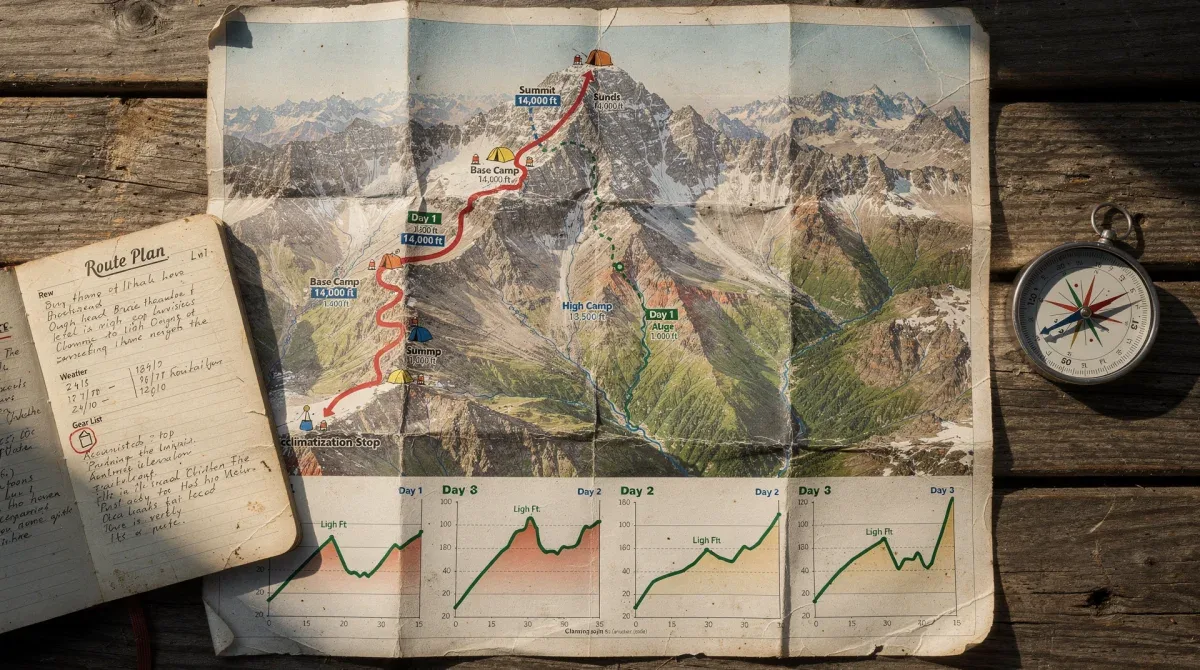
Logistically, consider aspects such as permits, transportation to the trailhead, food resupply points, and waste management. Leaving no trace is a fundamental principle of responsible mountaineering, ensuring these pristine environments remain accessible for future generations.
Nutrition, Hydration, and Gear for High Altitudes
At 14,000 feet, your body's nutritional and hydration needs are significantly altered. The cold, increased exertion, and thin air demand a strategic approach to what you consume and wear. Proper fueling and fluid intake are not just about comfort; they are critical components of maintaining energy levels, preventing altitude sickness, and ensuring overall performance during a 10-day push.
Dehydration can exacerbate symptoms of AMS and impair judgment. The dry air at high altitudes, coupled with increased respiration, leads to accelerated fluid loss. Therefore, a proactive and consistent hydration strategy is non-negotiable.
Optimizing Your High-Altitude Diet
Focus on calorie-dense foods that are easy to digest. While carbohydrates are your primary energy source, a balanced intake of fats and proteins is also important for sustained energy and muscle repair. Avoid overly spicy or fatty foods that might upset your stomach.
- Complex Carbohydrates: Oats, pasta, rice, and whole-grain bread for sustained energy.
- Healthy Fats: Nuts, seeds, and olive oil to boost calorie intake.
- Lean Proteins: Dried meats, protein bars, and powdered supplements for muscle maintenance.
- Electrolytes: Replenishing salts lost through sweat with electrolyte drinks or tablets.
For gear, the layering system is paramount. Multiple thin layers allow for flexible adjustment to changing conditions, trapping warm air efficiently. High-quality waterproof and windproof outer shells are essential to protect against the elements. Adequate insulation, including a warm sleeping bag rated for extreme cold, is also critical for comfortable and restorative sleep at high camps.
Additionally, specialized equipment such as ice axes, crampons, and ropes may be necessary depending on the route's technical demands. Always ensure all gear is in excellent condition and that you are proficient in its use before starting your expedition. A comprehensive first-aid kit, communication devices, and navigation tools are also non-negotiable safety items.
Monitoring and Managing Altitude Sickness
Even with the most rigorous acclimatization protocols, the risk of altitude sickness remains a serious concern when ascending 14,000-foot summits. Effective monitoring and a clear understanding of management strategies are crucial for the safety and success of your 10-day expedition. Recognizing the early signs and symptoms is vital, as is knowing when to take action, including immediate descent.
Altitude sickness manifests in various forms, from mild Acute Mountain Sickness (AMS) to the life-threatening High Altitude Cerebral Edema (HACE) and High Altitude Pulmonary Edema (HAPE). Never ignore symptoms, as they can rapidly escalate.
Recognizing Symptoms and Taking Action
Regular self-assessment and checking on your climbing partners are essential. Pay attention to changes in mood, coordination, and overall well-being. A pulse oximeter can provide objective data on blood oxygen saturation, offering an early warning sign of potential issues.
- AMS Symptoms: Headache, nausea, fatigue, dizziness, and difficulty sleeping.
- HACE Symptoms: Severe headache, confusion, ataxia (loss of coordination), altered mental status.
- HAPE Symptoms: Persistent cough, shortness of breath at rest, chest tightness, extreme fatigue.
- Immediate Descent: The most effective treatment for all forms of severe altitude sickness.
It's important to carry appropriate medications for altitude sickness, such as Acetazolamide (Diamox) for prevention or treatment of AMS, and Dexamethasone for HACE. These should only be used under the guidance of a medical professional or experienced wilderness first responder. However, medication is a supplement to, not a replacement for, proper acclimatization and descent when necessary.
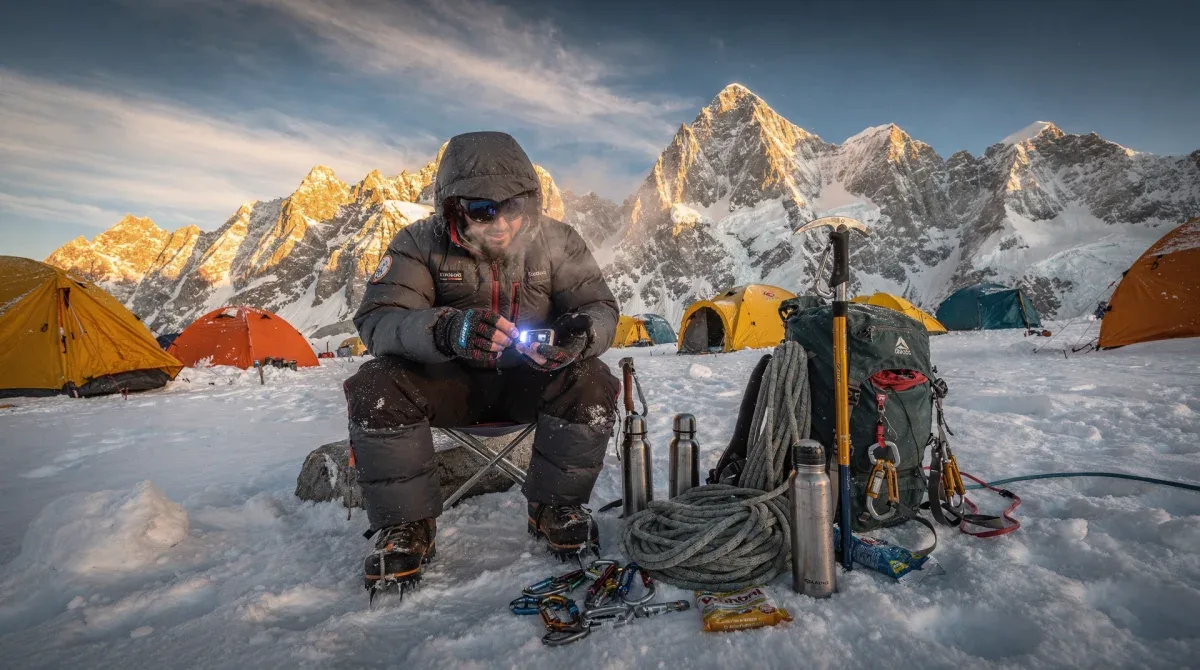
Ultimately, a conservative approach to ascent and a willingness to turn back are the hallmarks of a responsible high-altitude climber. The summit will always be there, but your health and safety are paramount. Prioritizing well-being over summit fever ensures a positive and safe experience.
Mental Fortitude and Team Dynamics
Beyond the physical demands and technical skills, conquering 14,000-foot summits within a 10-day timeframe heavily relies on mental fortitude and robust team dynamics. The psychological challenges of high-altitude climbing—ranging from relentless physical discomfort to prolonged exposure to harsh environments—can be as daunting as the physical ones. A strong mind and a cohesive team are often the deciding factors between success and failure.
Maintaining a positive mindset, even when faced with setbacks, is crucial. The ability to push through fatigue, cold, and moments of doubt requires significant mental resilience. Developing this resilience often begins long before the expedition starts, through prior challenging experiences and focused mental preparation.
Building a Resilient Mindset
Mental preparation can involve visualization techniques, practicing mindfulness, and setting realistic expectations. Understanding that there will be difficult moments and having strategies to cope with them can make a significant difference. Breaking down the climb into smaller, manageable goals can also prevent feeling overwhelmed.
- Goal Setting: Focusing on daily objectives rather than just the distant summit.
- Positive Self-Talk: Countering negative thoughts with affirmations and encouragement.
- Mindfulness: Staying present and appreciating the journey, not just the destination.
- Adaptability: Being prepared to change plans and embrace uncertainty.
Team dynamics play an equally vital role. A high-altitude expedition is a shared endeavor, and the strength of the team is often measured by its weakest link. Effective communication, mutual support, and shared decision-making are essential for maintaining morale and ensuring safety. Each team member must be able to rely on the others, fostering an environment of trust and camaraderie.
Regular check-ins, honest assessments of individual well-being, and a willingness to compromise for the good of the group are critical. When fatigue sets in or conditions worsen, a strong team can collectively make the best decisions, prioritizing safety and well-being over individual aspirations. Ultimately, the shared experience and support system can elevate the entire expedition.
Environmental Ethics and Leave No Trace Principles
As adventurers seeking to conquer the majestic 14,000-foot summits, we bear a profound responsibility to protect these pristine and fragile high-altitude environments. Adhering to environmental ethics and the Leave No Trace principles is not merely a suggestion; it is a mandatory code of conduct that ensures these natural wonders remain unspoiled for future generations. Our impact, however minimal it may seem, accumulates and can have lasting consequences.
The delicate ecosystems found at high altitudes are particularly vulnerable to human activity. Slow growth rates for plants, limited soil, and harsh climatic conditions mean that damage can take decades, if not centuries, to recover. Therefore, every climber must commit to minimizing their footprint.
Practicing Leave No Trace
The Leave No Trace (LNT) principles provide a framework for responsible outdoor recreation. These seven principles guide behavior to minimize environmental impact and promote sustainable use of wildlands. Applying them strictly at high altitudes is paramount due to the extreme fragility of the environment.
- Plan Ahead and Prepare: Minimizing waste and knowing regulations.
- Travel and Camp on Durable Surfaces: Sticking to established trails and campsites.
- Dispose of Waste Properly: Packing out all trash, including human waste.
- Leave What You Find: Respecting natural objects and cultural artifacts.
- Minimize Campfire Impacts: Using stoves instead of fires, or building small, contained fires.
- Respect Wildlife: Observing from a distance and not feeding animals.
- Be Considerate of Other Visitors: Sharing trails and preserving the wilderness experience.
Human waste management is a particular challenge at high altitudes where decomposition is slow. Carrying WAG bags or other portable toilet systems is often required or highly recommended. Proper disposal ensures that alpine water sources remain uncontaminated and that the visual impact on the landscape is minimized.
By consciously integrating these ethical considerations into every aspect of a 10-day summit push, climbers not only protect the environment but also enhance their own experience, fostering a deeper connection with the natural world. Responsible mountaineering is about leaving only footprints and taking only memories.
| Key Aspect | Brief Description |
|---|---|
| Acclimatization | Gradual ascent, 'climb high, sleep low' principle, and pre-acclimatization techniques are crucial for success and safety. |
| Route Strategy | Detailed planning, terrain analysis, weather monitoring, and emergency exit mapping are essential for a 10-day push. |
| Health Monitoring | Vigilant observation for altitude sickness symptoms, pulse oximeter use, and preparedness for immediate descent are critical. |
| Environmental Ethics | Strict adherence to Leave No Trace principles, including proper waste disposal and respecting fragile alpine ecosystems. |
Frequently Asked Questions About 14,000-Foot Summits
What are the primary risks associated with climbing 14,000-foot summits?▼The primary risks include acute mountain sickness (AMS), high-altitude cerebral edema (HACE), high-altitude pulmonary edema (HAPE), severe weather changes, falls, and hypothermia. Proper acclimatization and careful planning are crucial to mitigate these dangers effectively.
How does a 10-day push impact acclimatization compared to longer expeditions?▼A 10-day push requires more aggressive yet careful acclimatization. It often means shorter daily altitude gains, potentially more rest days at intermediate camps, and sometimes pre-acclimatization techniques. It leaves less room for error compared to longer expeditions.
What essential gear is non-negotiable for a 14,000-foot summit attempt?▼Essential gear includes a multi-layer clothing system, waterproof and windproof outer shells, a warm sleeping bag, appropriate mountaineering boots, ice axe, crampons (if applicable), navigation tools, a first-aid kit, and sufficient food and water.
Can I train for high altitude climbing at sea level?▼Yes, you can. Focus on cardiovascular fitness through endurance activities like running, cycling, and hiking with a weighted pack. Strength training also helps. While sea-level training doesn't acclimatize you to hypoxia, it builds a strong physiological base.
What is the most critical factor for a successful and safe 14,000-foot summit expedition?▼The most critical factor is a combination of meticulous planning, a conservative approach to ascent, effective acclimatization, and the willingness to turn back if symptoms of altitude sickness appear. Safety should always override summit aspirations.
Conclusion
Successfully conquering 14,000-foot summits within a 10-day timeframe is an ambitious yet achievable goal for well-prepared adventurers. It demands a holistic approach encompassing rigorous physical and mental preparation, advanced acclimatization protocols, meticulous route planning, and an unwavering commitment to safety and environmental ethics. By understanding the unique challenges of high-altitude environments and implementing these strategies, climbers can transform a demanding endeavor into a rewarding and safe experience, leaving only footprints and taking only memories from these magnificent peaks.
