Wilderness Survival Protocols 2026: Sub-Zero Expeditions
Updated 2026 wilderness survival protocols emphasize integrating modern satellite trackers with traditional cold-weather strategies to enhance safety and communication during multi-day sub-zero expeditions, ensuring robust preparedness.
Embarking on multi-day sub-zero expeditions demands more than just grit; it requires adherence to the most current wilderness survival protocols 2026. This guide delves into essential strategies, modern gear, and the critical role of satellite trackers to keep you safe in the harshest environments.
The Evolution of Cold-Weather Survival: 2026 Insights
Wilderness survival, particularly in sub-zero conditions, has seen significant advancements. The protocols of 2026 integrate cutting-edge technology with time-tested techniques, creating a comprehensive safety net for adventurers. Understanding these updated guidelines is paramount for anyone venturing into extreme cold for extended periods.
Gone are the days when a compass and map were your sole navigational tools. While still crucial, they are now complemented by sophisticated digital aids and communication devices that can literally be lifesavers. This evolution means a more proactive and connected approach to managing risks in remote, frigid landscapes.
Key Technological Integrations
Modern expeditions heavily rely on a suite of integrated technologies. These tools provide real-time data, communication capabilities, and precise navigation, drastically improving safety margins.
- Advanced GPS Devices: Offering unparalleled accuracy and detailed topographic maps, often with offline capabilities.
- Portable Power Solutions: Solar chargers and high-capacity power banks to keep all electronic devices operational.
- Smart Textiles: Clothing with integrated sensors for monitoring vital signs and environmental conditions.
The Human Element in Modern Protocols
Despite technological leaps, human judgment, training, and experience remain irreplaceable. The 2026 protocols emphasize rigorous training in traditional survival skills, ensuring that technology serves as an enhancement, not a replacement, for fundamental knowledge. Proper physical and mental conditioning is also a core component, preparing individuals for the unique stresses of extreme cold.
The convergence of advanced gear and refined human skills forms the bedrock of current wilderness survival protocols. It's about creating a resilient system where every component, from a satellite tracker to a well-practiced knot, plays a vital role in ensuring a successful and safe return from the wild. This holistic approach is what defines the updated standards for sub-zero expeditions.

Essential Gear for Sub-Zero Expeditions: Beyond the Basics
Equipping yourself for a multi-day sub-zero expedition requires meticulous planning and an understanding of specialized gear. The 2026 wilderness survival protocols underscore the importance of redundancy and multi-functionality in every item packed. Your gear isn't just about comfort; it's about survival.
From layered clothing systems to specialized cooking equipment, each piece serves a critical purpose in maintaining core body temperature, providing sustenance, and enabling communication. Skimping on quality or neglecting essential items can have dire consequences in an environment where temperatures plummet and resources are scarce.
Layering Systems for Extreme Cold
Effective layering is the cornerstone of cold-weather protection. It allows for dynamic adjustment to activity levels and changing environmental conditions, preventing both overheating and hypothermia.
- Base Layer: Moisture-wicking synthetics or merino wool to keep skin dry.
- Mid Layer: Insulating fleece or down for warmth, adaptable to activity.
- Outer Layer: Waterproof and windproof shell to protect against elements, yet breathable to prevent moisture buildup.
Shelter and Sleep Systems
Your shelter and sleep system are your primary defenses against the cold. Tents designed for four-season use, robust sleeping bags rated for extreme temperatures, and insulated sleeping pads are non-negotiable. The goal is to create a microclimate that conserves body heat effectively throughout the night, crucial for recovery and maintaining energy.
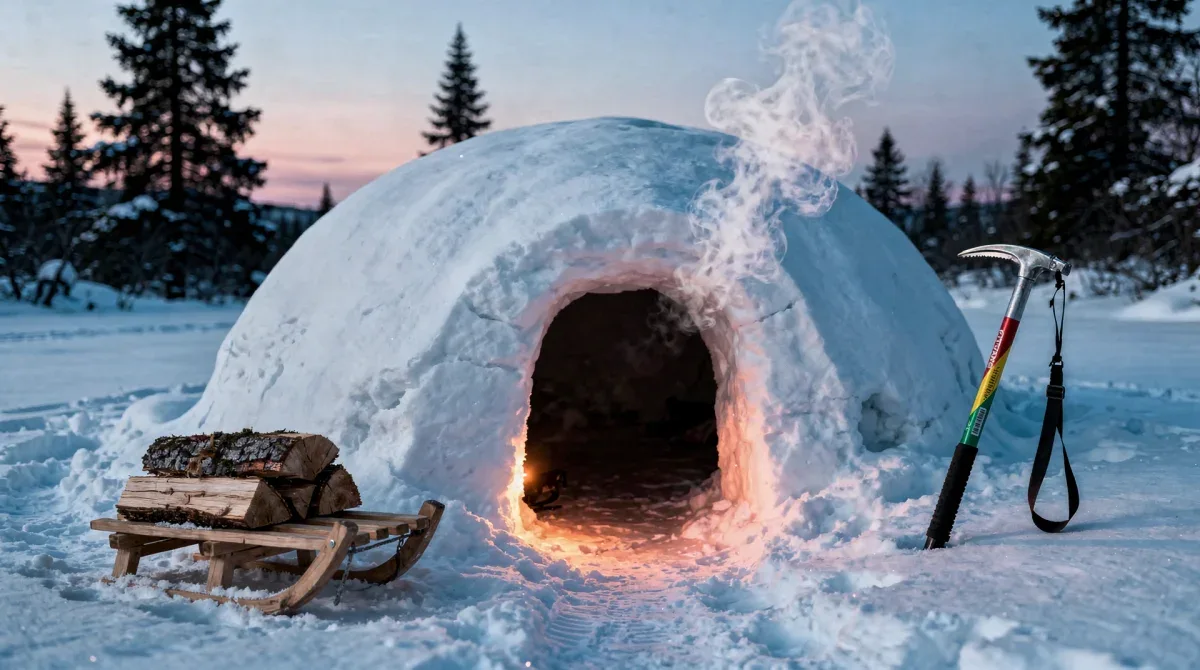
Beyond manufactured gear, knowledge of emergency shelters like snow caves or quinzees can be a lifesaver if your primary shelter is compromised or conditions demand an immediate, more protective solution. These skills are a vital part of the wilderness survival protocols 2026, empowering you with alternatives when resources are limited.
The right gear, combined with the knowledge of how to use it effectively, transforms a perilous journey into a manageable challenge. Investing in high-quality, reliable equipment is an investment in your safety and success in the unforgiving sub-zero wilderness.
The Indispensable Role of Modern Satellite Trackers
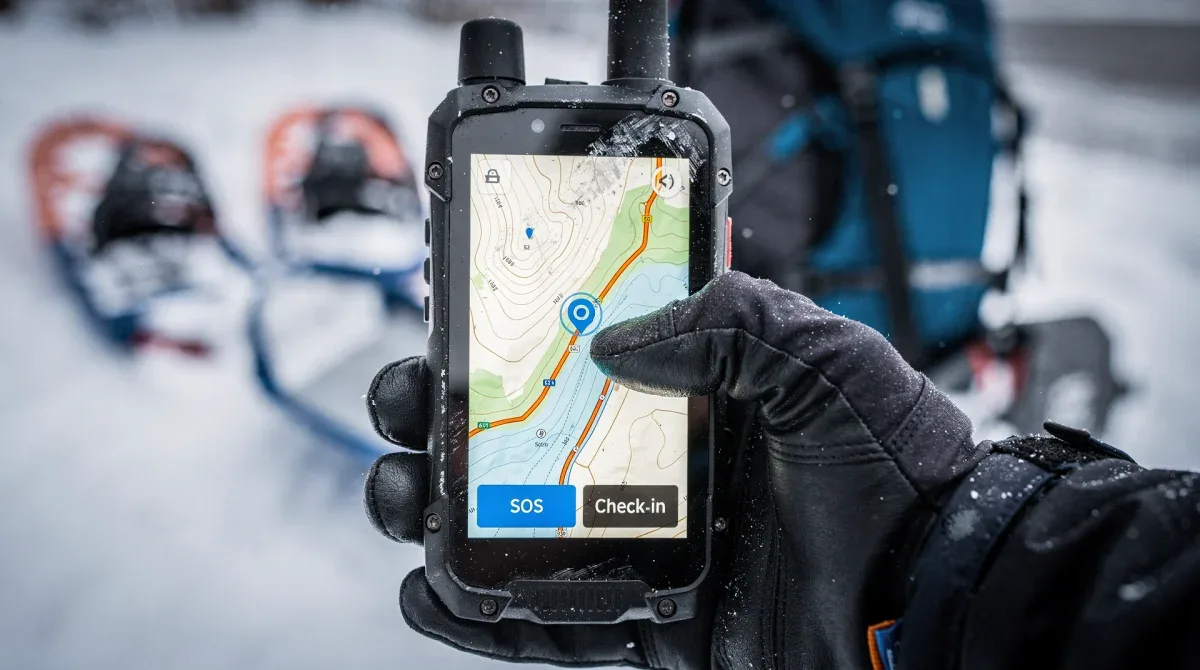
In the updated 2026 wilderness survival protocols, modern satellite trackers are no longer optional accessories; they are indispensable safety devices. These compact tools provide a critical lifeline to the outside world, offering peace of mind and, more importantly, the ability to summon help in emergencies, even in the most remote sub-zero environments.
The advancements in satellite technology mean these devices are more robust, user-friendly, and feature-rich than ever before. Understanding their capabilities and limitations is key to maximizing their life-saving potential during multi-day expeditions.
Types of Satellite Trackers and Their Functions
Various satellite communication devices cater to different needs, but all share the core function of global connectivity.
- Personal Locator Beacons (PLBs): Primarily for emergency signaling, transmitting a distress signal to search and rescue (SAR) authorities.
- Satellite Messengers: Allow two-way text communication, GPS tracking, and SOS functions, ideal for regular check-ins and non-critical updates.
- Satellite Phones: Offer voice communication in addition to messaging and SOS, providing the most comprehensive connectivity.
Integration with Emergency Protocols
The 2026 protocols emphasize pre-expedition planning that includes registering your satellite tracker, updating emergency contacts, and familiarizing yourself with its specific SOS activation procedure. Regular testing of the device before departure is also crucial to ensure it functions correctly when needed most.
Beyond emergency use, many satellite trackers offer tracking features that allow loved ones or support teams to monitor your progress, adding an extra layer of safety. This proactive monitoring can trigger an alert if you deviate from your planned route or stop moving for an unusual period, providing an earlier response in potential incidents.
A modern satellite tracker is a small investment for potentially saving a life. Its ability to bridge the vast distances of the wilderness with instant communication makes it a cornerstone of contemporary wilderness survival protocols, particularly for those daring enough to face sub-zero conditions.
Navigation and Route Planning in Extreme Cold
Effective navigation and meticulous route planning are paramount for safe multi-day sub-zero expeditions. The 2026 wilderness survival protocols highlight a blended approach, combining traditional map and compass skills with advanced GPS and satellite mapping tools. The objective is to minimize exposure to hazards, conserve energy, and ensure a precise understanding of your location at all times.
Navigating in extreme cold presents unique challenges, such as whiteout conditions, obscured landmarks, and rapidly changing terrain. Therefore, a robust and redundant navigation strategy is not merely a recommendation but a critical requirement.
Advanced Mapping and GPS Techniques
Modern GPS devices and smartphone apps, often with pre-loaded topographic maps and satellite imagery, provide unparalleled detail. Learning to interpret these digital maps, understand contour lines, and utilize waypoints effectively is essential. These tools can also track your progress, calculate distances, and estimate arrival times, all vital for managing resources and energy in frigid conditions.
Traditional Skills Remain Critical
Despite technological advances, proficiency with a physical map and compass is non-negotiable. Batteries can die, electronics can fail in extreme cold, or signals can be lost. Knowing how to orient a map, take bearings, and navigate by terrain features ensures that you are never completely reliant on electronic devices. This dual-skill approach is a core tenet of the wilderness survival protocols 2026, advocating for preparedness across all eventualities.
- Map Reading: Understanding scale, contour lines, and symbols specific to winter terrain.
- Compass Use: Taking accurate bearings and compensating for declination.
- Terrain Association: Matching map features with actual landscape, even under snow cover.
Thorough route planning involves not only plotting a course but also identifying potential bail-out points, emergency shelter locations, and water sources. Analyzing weather patterns and snowpack stability is also crucial. This comprehensive planning, coupled with proficient navigation skills, significantly reduces risks in extreme cold environments.
Emergency Preparedness and Response in Sub-Zero Environments
Even with the most meticulous planning, emergencies can arise during multi-day sub-zero expeditions. The 2026 wilderness survival protocols place a strong emphasis on comprehensive emergency preparedness and a well-drilled response plan. This includes everything from carrying a robust first-aid kit to understanding how to signal for help and constructing emergency shelters.
The rapid onset of hypothermia, frostbite, or injuries in extreme cold can quickly escalate a minor incident into a life-threatening situation. Therefore, swift and effective action is paramount, requiring both knowledge and the right tools.
First Aid and Medical Preparedness
A specialized wilderness first-aid kit, tailored for cold-weather injuries, is essential. This kit should include supplies for treating severe cuts, fractures, burns, and, critically, for managing hypothermia and frostbite. Training in wilderness first aid, specifically focusing on cold-related conditions, is a non-negotiable part of the 2026 protocols.
- Hypothermia Management: Knowledge of rewarming techniques, including passive and active external rewarming.
- Frostbite Treatment: Understanding how to protect affected areas and prevent further damage.
- Emergency Medication: Carrying personal prescriptions and pain relief suitable for extreme conditions.
Signaling for Help and Emergency Shelters
Beyond your satellite tracker's SOS function, knowing alternative signaling methods is vital. These can include signal mirrors, whistles, flares, or even creating large ground signals visible from the air. The ability to improvise an emergency shelter, such as a snow cave, quinzee, or debris hut, provides a crucial buffer against exposure if your primary shelter is compromised.
A well-rehearsed emergency response plan, including clear roles for team members, regular drills, and a thorough understanding of potential risks, can make the difference between a successful rescue and a tragic outcome. Preparedness in this domain is a testament to adherence to modern wilderness survival protocols.
Maintaining Well-being and Morale on Extended Expeditions
Multi-day sub-zero expeditions test not only physical endurance but also mental fortitude. The 2026 wilderness survival protocols acknowledge the critical role of maintaining well-being and morale, recognizing that psychological resilience is as vital as physical preparedness. Fatigue, isolation, and the constant battle against the elements can significantly impact decision-making and overall safety.
Strategies for managing stress, fostering positive group dynamics, and ensuring adequate rest and nutrition are integral to successful long-duration cold-weather ventures. Ignoring these aspects can lead to errors and compromised safety.
Psychological Resilience and Team Dynamics
Building psychological resilience involves mental preparation before the expedition, including visualization techniques and setting realistic expectations. For group expeditions, fostering strong team dynamics through clear communication, shared responsibilities, and mutual support is crucial. Regular check-ins on mental state and open discussion of challenges can prevent minor issues from escalating.
Nutrition, Hydration, and Rest
In sub-zero environments, the body expends significantly more energy to stay warm. Therefore, a high-calorie, nutrient-dense diet is essential. Proper hydration, often overlooked in cold weather, is equally important, as dehydration can impair physical and cognitive function. Adequate rest is critical for physical recovery and maintaining mental clarity, impacting everything from navigation to emergency response.
- High-Calorie Foods: Prioritize fats and complex carbohydrates for sustained energy release.
- Consistent Hydration: Melt snow/ice frequently and consume warm liquids to stay hydrated.
- Scheduled Rest: Ensure sufficient sleep and planned breaks to avoid fatigue.
By consciously addressing the psychological and physiological demands of extended sub-zero travel, adventurers can sustain their performance and maintain a positive outlook, significantly enhancing their chances of a safe and successful expedition. These holistic considerations are central to the updated wilderness survival protocols.
| Key Aspect | Brief Description |
|---|---|
| Satellite Trackers | Crucial for emergency communication and real-time tracking in remote areas. |
| Gear Selection | Emphasis on layered clothing, robust shelters, and specialized cold-weather equipment. |
| Navigation Skills | Blending modern GPS with traditional map and compass proficiency for redundancy. |
| Emergency Response | Preparedness for cold-related injuries, signaling for help, and improvised shelters. |
Frequently Asked Questions About Sub-Zero Expeditions
What are the most critical updates in 2026 wilderness survival protocols for sub-zero conditions?▼The 2026 protocols emphasize the mandatory integration of modern satellite trackers for communication and emergency signaling. They also focus on advanced layering systems, improved navigation redundancy (GPS plus map/compass), and comprehensive training in cold-weather first aid and emergency shelter construction.
How do satellite trackers enhance safety during multi-day sub-zero expeditions?▼Satellite trackers provide a vital lifeline by enabling two-way text communication, real-time GPS tracking, and immediate SOS capabilities, even in areas without cellular service. This allows for regular check-ins, progress monitoring by support teams, and rapid deployment of search and rescue in emergencies, significantly reducing response times.
What is the recommended layering strategy for extreme cold survival?▼An effective layering strategy includes a moisture-wicking base layer (synthetics or merino wool), an insulating mid-layer (fleece or down) for warmth, and a waterproof, windproof, yet breathable outer shell. This system allows for flexibility to adapt to changing activity levels and environmental conditions, preventing both hypothermia and overheating.
Why is traditional map and compass navigation still important with modern GPS?▼Traditional map and compass skills provide crucial redundancy. Electronic devices can fail due to battery depletion, extreme cold, or signal loss. Proficiency with a physical map and compass ensures you can navigate effectively under any circumstances, making it a critical backup skill for remote expeditions.
What are key considerations for maintaining morale on long sub-zero expeditions?▼Maintaining morale involves psychological preparation, clear communication within the team, and ensuring adequate rest, nutrition, and hydration. Managing stress, fostering positive interactions, and acknowledging challenges openly contribute significantly to mental well-being, which is crucial for safe decision-making and overall expedition success.
Conclusion
Navigating the unforgiving landscapes of multi-day sub-zero expeditions in 2026 demands a sophisticated blend of updated wilderness survival protocols. By integrating modern satellite trackers, mastering advanced gear selection, honing navigation skills, and prioritizing emergency preparedness and psychological well-being, adventurers can significantly mitigate risks. These protocols underscore a holistic approach to survival, where technology enhances, but never replaces, fundamental knowledge and human resilience. Embracing these guidelines ensures that every journey into the extreme cold is undertaken with the highest possible degree of safety and preparedness, transforming potential perils into profound, unforgettable experiences.
